
Table of Contents
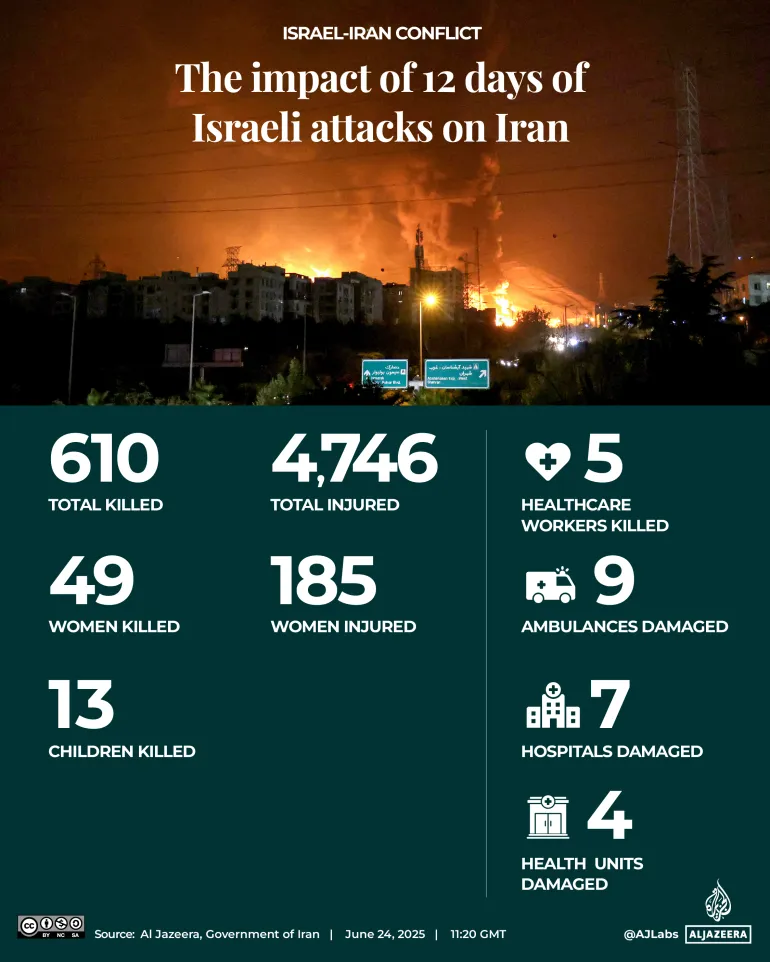
In recent weeks, the Middle East has been engulfed in yet another devastating conflict, this time between Iran and Israel, with implications that stretch far beyond the borders of these two nations. The flare-up, which began in mid-June, has caught the attention of the entire world as both military and diplomatic strategies unfold. Among the key players, the Houthis have come forward, offering vocal support for Iran in its confrontations with Israel.
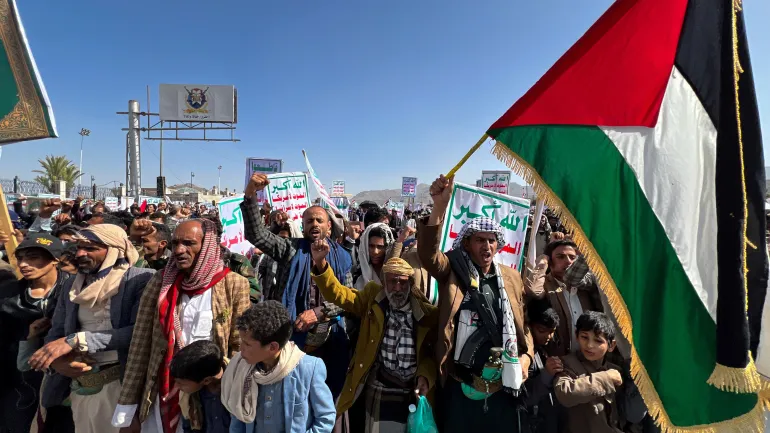
Houthi Support for Iran’s “Heroic” Battle Against Israel
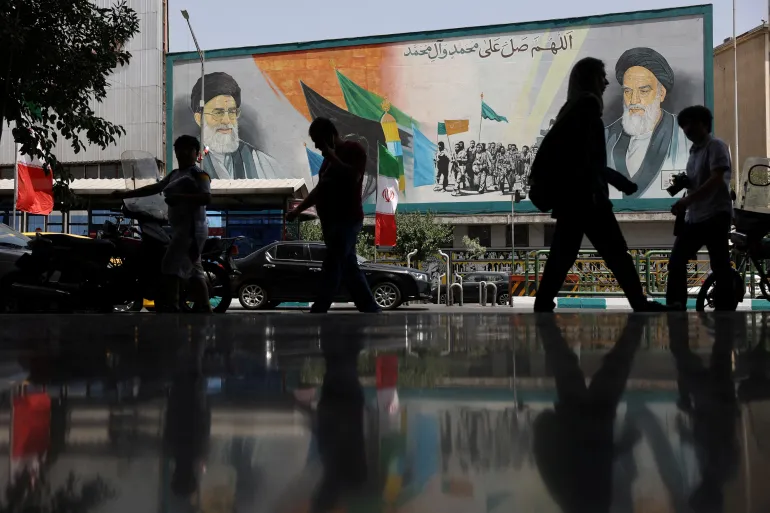
In a significant political statement, Mohammed Abdulsalam, the spokesperson for Yemen’s Houthi movement, praised Iran for its military and strategic stance against Israel. In his remarks, Abdulsalam referred to Iran’s 12-day military campaign as “heroic,” emphasizing Iran’s resolve and sacrifice in defending its sovereignty and upholding the Palestinian cause. According to Abdulsalam, Iran’s missile attacks against Israel are a testament to the strength and self-reliance of the nation, with its homemade arsenal confronting a well-armed adversary backed by Western powers.
The Houthi spokesperson framed Iran’s actions as a resistance not only against Israel but also against the United States and its allies, suggesting that Iran’s retaliation was a stand against foreign aggression in the region. Abdulsalam highlighted Iran as a pioneering force in the Islamic world, unafraid to challenge the status quo dominated by Western military power. His message resonated with many in the region who view Israel as a proxy of Western imperialism in the Middle East.
A Fragile Ceasefire and Its Complexities
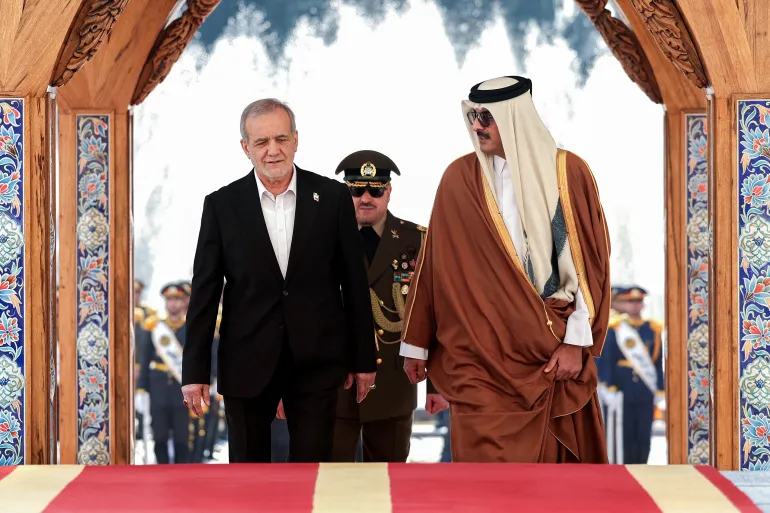
The conflict between Israel and Iran has not remained confined to just these two nations. Global powers have been drawn into the fray, with the United States playing a significant role in brokering a ceasefire between the warring sides. Despite efforts to mediate peace, there have been significant violations of the truce, most notably by Israel, which, according to US President Donald Trump, did not hold up its end of the bargain. Trump voiced his frustration, particularly with Israel, accusing it of launching severe airstrikes on Iran even after agreeing to a ceasefire.

The ceasefire brokered by Trump had been meant to halt the exchange of missiles and airstrikes between the two countries. However, tensions quickly resurfaced as both sides engaged in retaliation. Trump’s decision to intervene is seen as part of his broader efforts to manage US interests in the region, including nuclear negotiations with Iran. The conflict also highlights a fundamental issue: Israel’s refusal to fully abide by ceasefire agreements, especially in a region that has experienced prolonged instability due to Israel’s policies in Gaza and beyond.
The Role of Regional Diplomacy: Qatar’s Mediatory Efforts
Qatar has emerged as a key diplomatic actor amid the tensions, striving to de-escalate the situation and provide a platform for dialogue. The tiny Gulf nation has been at the center of discussions, facilitating peace talks and advocating for a return to diplomacy. Qatar’s proactive role was acknowledged by Iran, which expressed gratitude for Qatar’s efforts to prevent further escalation. Yet, the recent missile attack by Iran on the US Al Udeid base in Qatar underscored the delicate nature of regional politics, with Qatar strongly condemning the attack as a violation of its sovereignty.
Qatar’s foreign minister has been vocal about the need for a balanced approach to managing relations between Israel, Iran, and other regional players. While the attack on the Al Udeid base was a setback, Qatar continues to emphasize dialogue and diplomacy as essential tools for fostering stability in the region.
The Nuclear Threat: A Looming Crisis
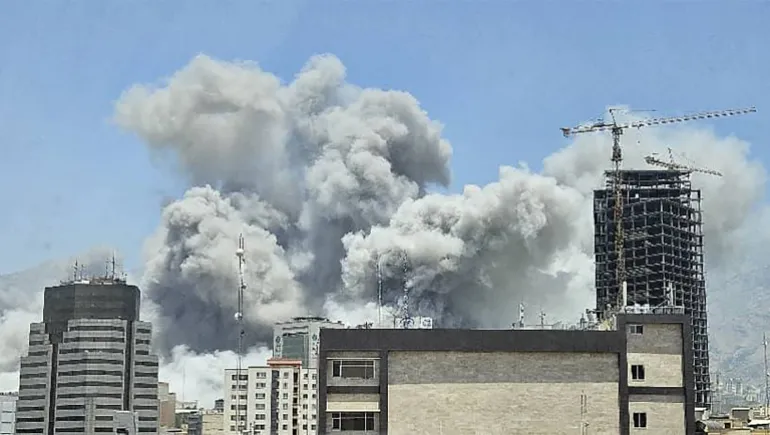
The threat of nuclear proliferation has always been a pressing concern when it comes to the Iranian-Israeli conflict. Israeli airstrikes on Iranian atomic sites earlier this month have raised alarm bells across the international community. While some analysts suggest that these attacks have not fully incapacitated Iran’s nuclear program, others warn that the strikes could drive Iran to accelerate its nuclear ambitions as a form of self-defense.
Clara Broekaert, a research fellow at the Soufan Center, pointed out that while the Israeli and US bombings have certainly damaged some Iranian nuclear facilities, they have not eradicated the knowledge or technological capacity to develop nuclear weapons. This situation presents a serious challenge, as it may prompt Iran to move towards secretive uranium enrichment, potentially putting the region and the world at further risk.
Humanitarian Crisis: Gaza and Beyond
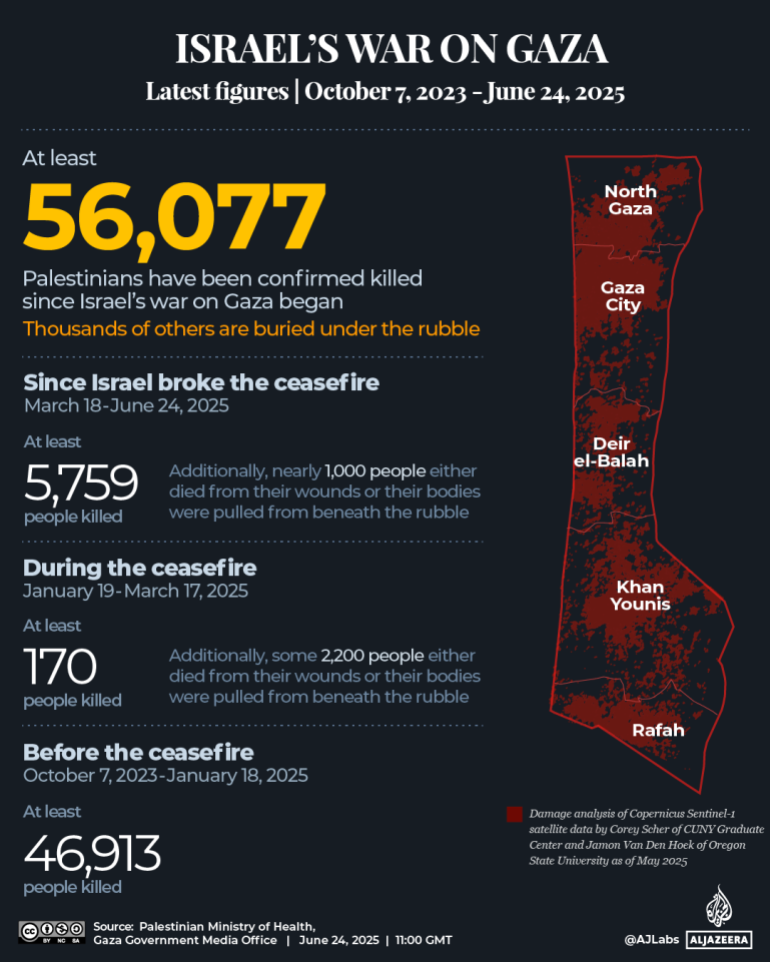
Amidst the political and military struggles, the humanitarian situation in Gaza continues to deteriorate. According to reports, over 56,000 Palestinians have died since the beginning of the Israeli offensive, with many more injured and displaced. International organizations like the UN have condemned Israel’s actions, particularly its airstrikes on civilian infrastructure and humanitarian aid centers. Despite this, Israel maintains its stance, citing its right to defend itself from Hamas and other militant groups.
The Gaza Strip remains a flashpoint, with the world increasingly divided on how to address the ongoing suffering. While Iran continues to frame its conflict with Israel in terms of a broader regional struggle, the Palestinian issue remains a central pillar in the discourse. This is a cause that resonates deeply with groups like the Houthis, who are aligned with Iran’s rhetoric on Palestinian liberation.
The Global Repercussions: US, Israel, and the Path Forward
As the conflict continues to unfold, analysts are closely watching the trajectory of nuclear negotiations and the possibility of a lasting peace deal. Experts predict that Iran may soon be pressured back into nuclear negotiations with the US, which could be “brutal” due to the ongoing tensions. Dan Perry, an Israeli affairs analyst, noted that the United States will likely come to the table with stringent demands, particularly regarding Iran’s nuclear program and its regional activities.
At the same time, Israel’s internal politics have been influenced by the conflict. Prime Minister Benjamin Netanyahu, whose popularity has surged due to his hardline stance against Iran, may use this moment of increased support to push for early elections in Israel. However, whether this shift in domestic politics will translate into any meaningful change in Israel’s foreign policy remains to be seen.
Conclusion: A Region on the Edge
The ongoing conflict between Iran and Israel is a stark reminder of the volatile dynamics of the Middle East. While countries like Qatar and regional powers such as Turkey strive for peace, the hardline positions of Iran and Israel suggest that a comprehensive solution will be difficult to achieve. The Houthis’ support for Iran and the growing involvement of global powers in the conflict underscore the broader geopolitical stakes at play. The ultimate question remains whether peace will be sustainable or whether the region will continue to be shaped by cycles of violence and retaliation. As the situation unfolds, it is clear that the future of the Middle East hangs in the balance.
Author Profile

- Syed Tahir Abbas is a Master's student at Southwest University, Chongqing, specializing in international relations and sustainable development. His research focuses on U.S.-China diplomacy, global geopolitics, and the role of education in shaping international policies. Syed has contributed to academic discussions on political dynamics, economic growth, and sustainable energy, aiming to offer fresh insights into global affairs.
Latest entries
 GeopoliticsSeptember 7, 2026China’s New Front: Coast Guard Patrols East of Taiwan and the Quiet Expansion of Maritime Pressure in 2026
 Strategic AssessmentAugust 24, 2026The AI Choice Is Becoming Binary: Washington’s Push and Beijing’s Counter
 GeopoliticsJuly 28, 2026South China Sea Crisis Deepens: China-Philippines Standoff and the Future of Indo-Pacific Order
 GeopoliticsJuly 13, 2026China’s Military Assertiveness in 2026: SLBM Test, Xi-Trump Summit, and the Quest for a New Global Order

11 comments
I have read some excellent stuff here Definitely value bookmarking for revisiting I wonder how much effort you put to make the sort of excellent informative website
Merely wanna state that this is very useful, Thanks for taking your time to write this.
Those are yours alright! . We at least need to get these people stealing images to start blogging! They probably just did a image search and grabbed them. They look good though!
you are really a good webmaster. The site loading speed is amazing. It seems that you are doing any unique trick. Furthermore, The contents are masterwork. you’ve done a fantastic job on this topic!
I conceive this internet site has got some very fantastic information for everyone :D. “Anybody who watches three games of football in a row should be declared brain dead.” by Erma Bombeck.
I really appreciate this post. I have been looking all over for this! Thank goodness I found it on Bing. You’ve made my day! Thx again
Spot on with this write-up, I truly assume this website wants way more consideration. I’ll probably be again to learn much more, thanks for that info.
Hello. fantastic job. I did not expect this. This is a splendid story. Thanks!
I believe this website contains some really great information for everyone : D.
Thanks for sharing. I read many of your blog posts, cool, your blog is very good.
В данной обзорной статье представлены интригующие факты, которые не оставят вас равнодушными. Мы критикуем и анализируем события, которые изменили наше восприятие мира. Узнайте, что стоит за новыми открытиями и как они могут изменить ваше восприятие реальности.
Подробнее тут – https://vivod-iz-zapoya-2.ru/