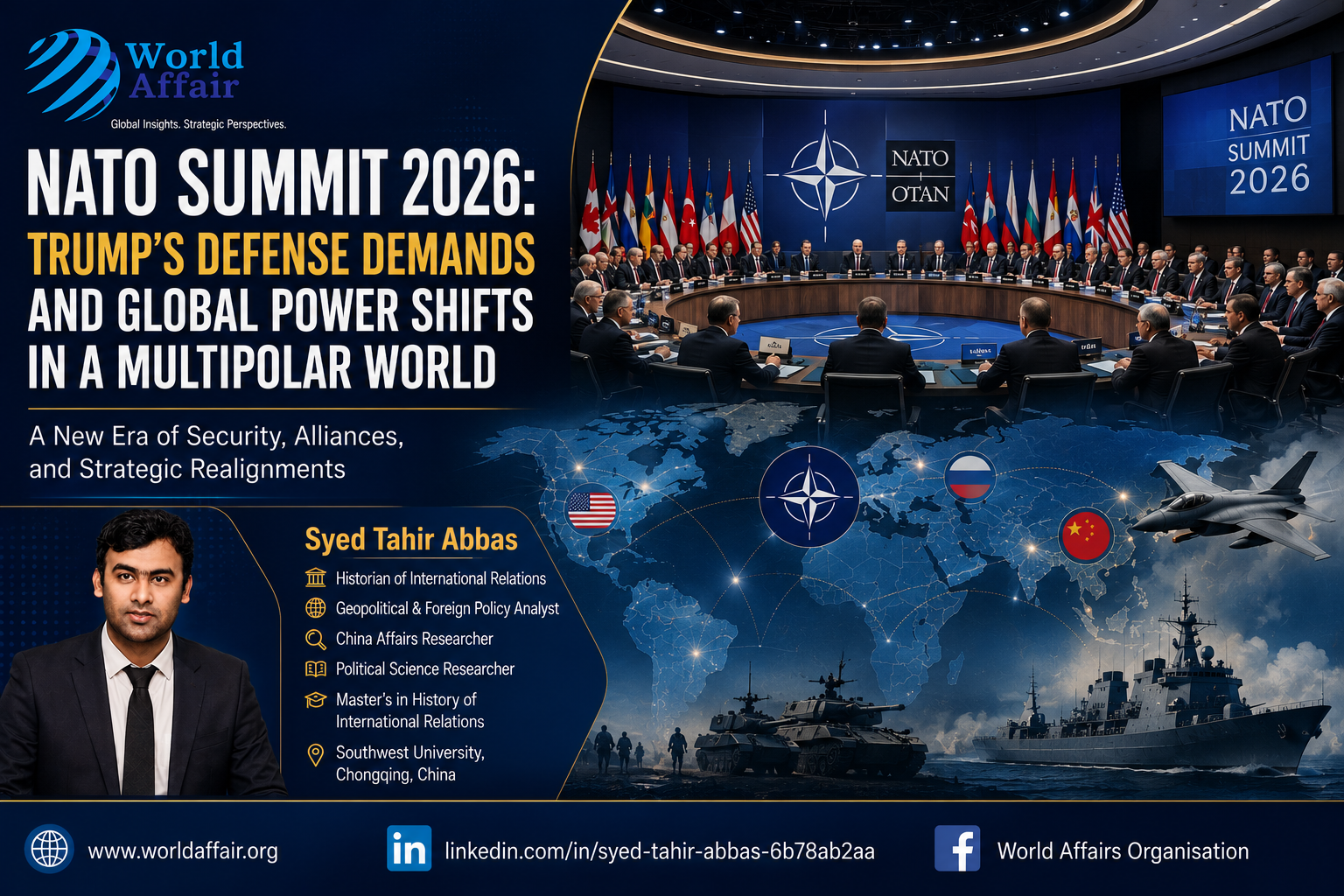
Introduction The 2026 NATO Summit, hosted in Ankara, Turkey from July 7-8, unfolded against a backdrop of profound geopolitical uncertainty. US President Donald Trump, fresh from contentious G7 discussions, used the platform to reiterate his long-standing critique of allied contributions, demanding a steep rise in defense spending to 5% of GDP. This ambitious target far exceeding the established 2% benchmark, has sparked intense debate among the 32 member states, highlighting fractures within the alliance while addressing pressing issues like sustained support for Ukraine and the fallout from recent conflicts in the Middle East.
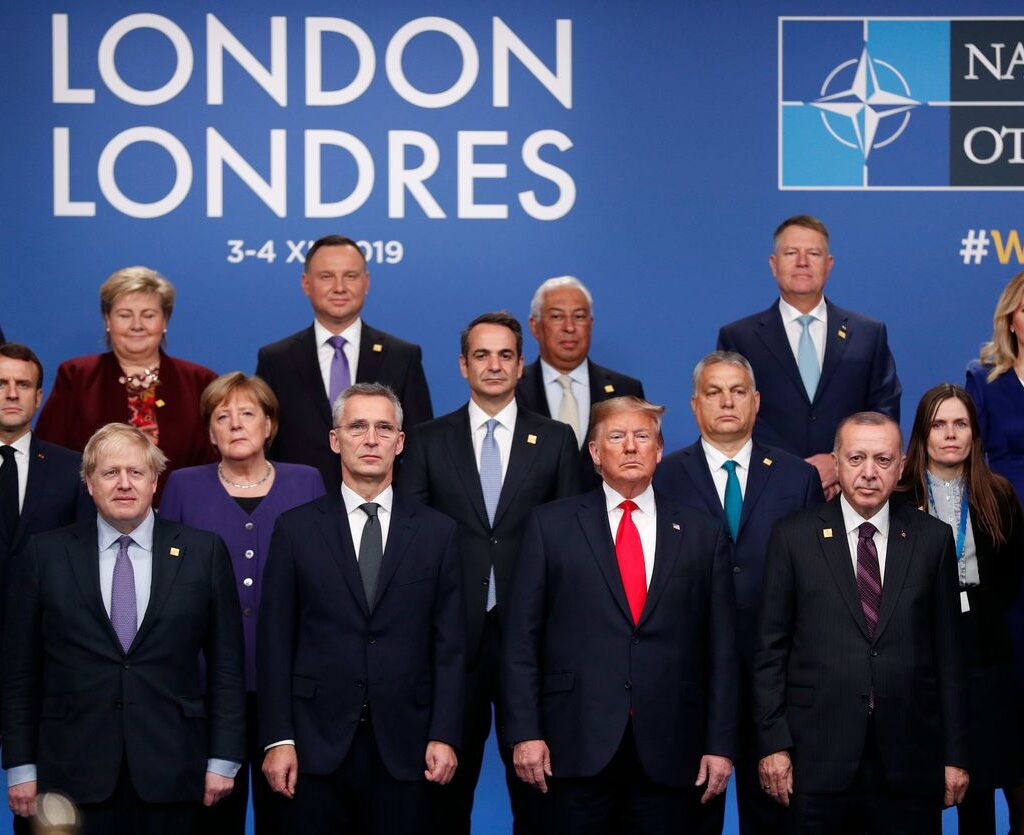
For an award-winning analysis grounded in history, political science, and strategic studies, this summit represents more than a routine gathering. It encapsulates the challenges of maintaining collective security in an era defined by great power competition, particularly involving China’s growing assertiveness in the Indo-Pacific, Russia’s ongoing war in Ukraine, and shifting US priorities under the Trump administration. As scholars and policymakers scrutinize outcomes, the event’s implications extend far beyond Europe, influencing global governance, economic stability, and the balance of power.
Drawing exclusively from verified developments reported by Reuters, AP, and leading think tanks as of July 7, 2026, this comprehensive post examines the summit’s multifaceted dimensions. It integrates historical context, real-time analysis, and forward-looking scenarios to provide readers with a nuanced understanding suitable for academic, policy, and general audiences.
Historical Background The North Atlantic Treaty Organization was established in 1949 amid the early Cold War to counter Soviet influence through collective defense under Article 5. Over seven decades, NATO has evolved from a transatlantic bulwark into a global security actor, expanding membership post-1991 and engaging in operations from the Balkans to Afghanistan. Burden-sharing debates, however, are as old as the alliance itself. Successive US administrations, particularly under Presidents Eisenhower and Nixon, expressed frustration with European contributions.

Trump’s first term (2017-2021) intensified these critiques, publicly shaming allies for falling short of the 2% GDP target agreed at the 2014 Wales Summit. By 2024-2025, progress was evident: over two-thirds of members met or approached the benchmark, driven by Russia’s full-scale invasion of Ukraine in 2022. Yet Trump has consistently argued for more, framing NATO as a “one-sided” arrangement subsidizing European security at American expense.
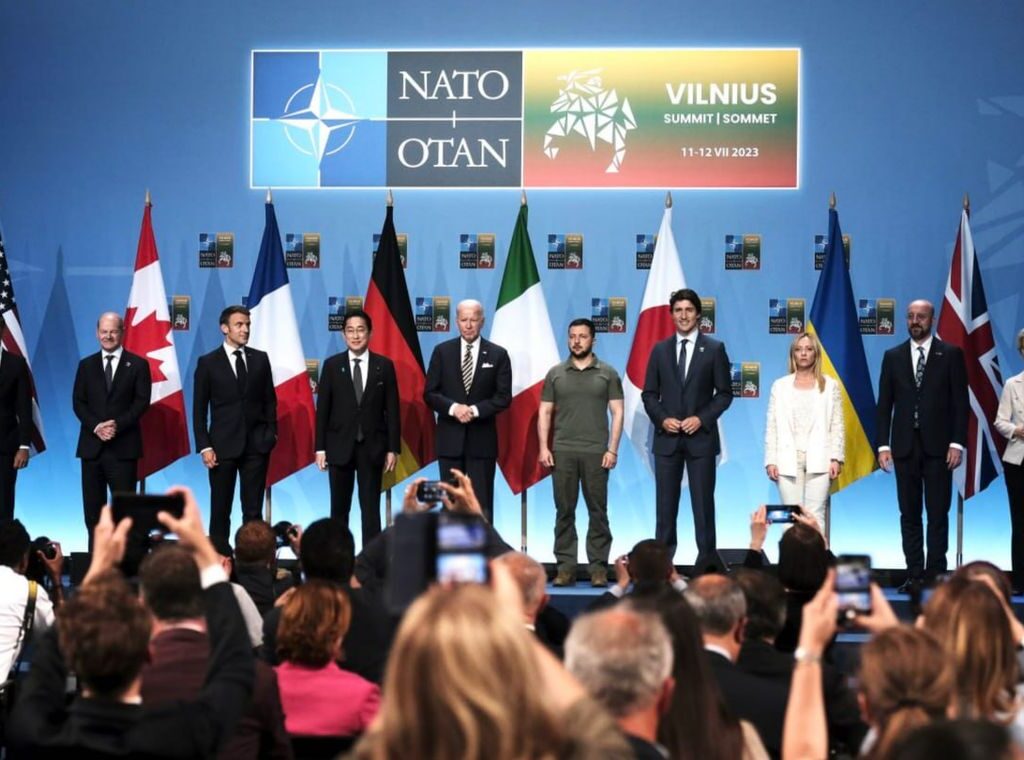
The 2025 Hague Summit laid groundwork for higher targets amid escalating hybrid threats. Hosting in Ankara adds layers: Turkey, a NATO member since 1952, has often pursued an independent foreign policy, mediating in conflicts while maintaining ties with Russia and balancing Middle East dynamics. Historical parallels, such as the 2004 Istanbul Summit’s focus on post-9/11 cooperation, remind us that summits frequently serve as inflection points. Today’s gathering occurs as China’s Belt and Road Initiative expands influence and BRICS gains traction, testing Western institutional primacy.
Current Situation Entering the summit, NATO faced a convergence of crises. Russia’s war in Ukraine, now in its fifth year, continues to drain resources, with frontline states like Poland and the Baltic nations advocating robust support. The recent US-Israeli strikes on Iran, which killed Supreme Leader Ayatollah Ali Khamenei in February 2026, have reignited debates over alliance consultation and Middle East strategy.
Trump’s pre-summit rhetoric set a confrontational tone. In statements ahead of arrival, he described current US support as “ridiculous” without reciprocity, linking defense spending to broader issues like Iran and even Greenland. European leaders arrived prepared with pledges but wary of perceived US retrenchment.
As of July 7, key dynamics include:
- Defense Investment Plan: A proposed two-tier structure—3.5% core military spending and 1.5% on infrastructure/cyber—aims for 5% by 2035.
- Arms Deals: Announcements of tens of billions in new contracts underscore industrial revival.
- Ukraine Aid: A €70 billion package reflects existing commitments, but long-term pathways remain contested.
Social media and academic discussions amplify these themes, with X posts highlighting Trump-Erdogan dynamics and think tank reports analyzing China’s watchful stance.
Latest Developments Trump’s arrival featured a high-profile welcome by President Erdogan, followed by bilateral meetings. At the Defence Industry Forum, NATO unveiled major procurement initiatives, signaling commitment to Rutte’s “defense industrial revolution.” Zelenskyy’s participation focused on air defenses, though sidelined in some sessions to accommodate US sensitivities.
Parallel to the summit, Iran’s multi-day funeral for Khamenei drew massive crowds in Tehran and Qom, with calls for revenge against the US and Israel. This backdrop influenced discussions on Middle East stability and energy security, particularly Strait of Hormuz vulnerabilities.
Chinese state media observed quietly, framing NATO divisions as evidence of Western decline, while Taipei forums highlighted Beijing’s global influence operations.
Political Analysis Trump’s approach embodies realist power politics: leveraging US military primacy to extract concessions. This resonates domestically but strains liberal internationalist norms underpinning NATO. European responses vary—Eastern states align with spending hikes for survival, while Western economies grapple with fiscal trade-offs.
Domestic politics shape outcomes: Trump’s base demands reduced overseas commitments; European leaders face populist backlash against austerity. The summit risks becoming a theater for personal and national grievances, from Trump’s Iran frustrations to Erdogan’s regional ambitions.
International Relations Perspective Liberal institutionalists see NATO as a cornerstone of rules-based order, vulnerable to transactional erosion. Realists emphasize anarchy and self-help, viewing higher spending as pragmatic adaptation. Constructivists focus on identity: a “European” pillar emerging alongside US leadership.
China-Russia alignment complicates this. Beijing’s economic statecraft and military modernization challenge US hegemony, making European burden-sharing critical for Indo-Pacific focus. Global governance implications include weakened multilateralism if alliances fragment.
Strategic Analysis The 5% target enhances deterrence but raises escalation risks. Prioritizing capabilities like long-range fires, cyber, and space aligns with modern warfare lessons from Ukraine. However, industrial base limitations—exacerbated by supply chain dependencies on China pose bottlenecks.
Turkey’s strategic geography offers Black Sea leverage but complicates consensus. Future scenarios hinge on whether increased spending translates to interoperable forces or duplicated efforts.
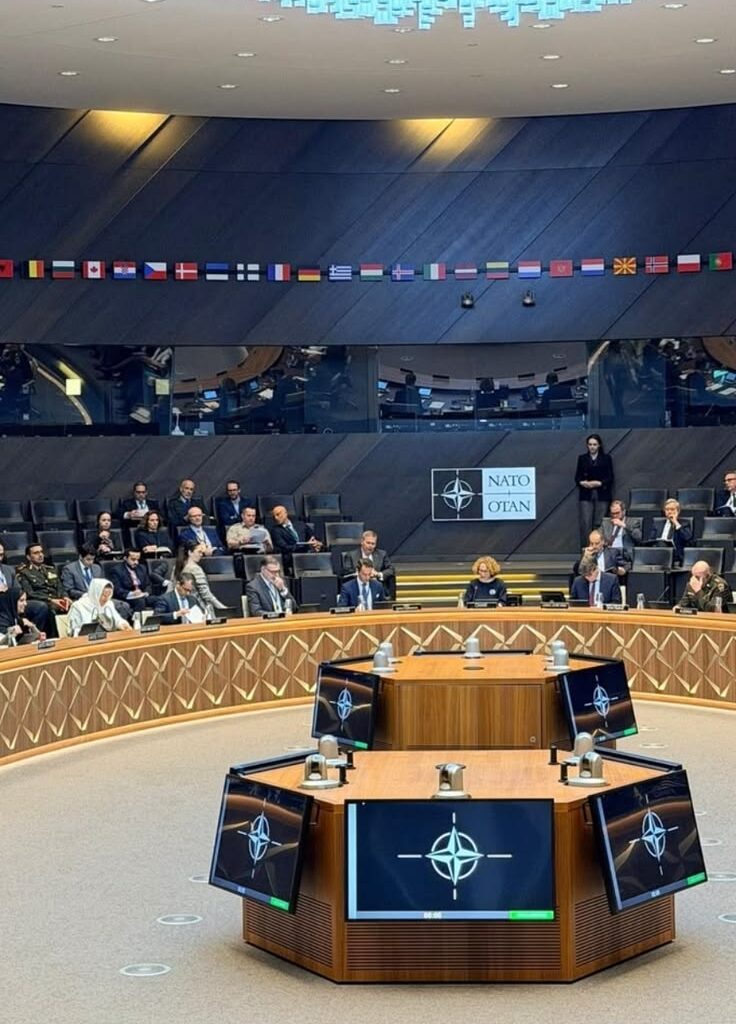
Economic Implications Elevated spending could stimulate growth in defense sectors, creating jobs and innovation spillovers. Yet opportunity costs loom: funds diverted from healthcare or climate initiatives. Transatlantic trade may face friction if procurement favors US firms.
Globally, higher demand strains rare earth supplies, benefiting China. Energy security, tied to Middle East stability, remains volatile post-Iran developments.
Military Implications: Quantitative increases must pair with qualitative improvements. Joint exercises, standardized equipment, and rapid deployment capabilities are vital. Ukraine’s experience highlights asymmetric tools, drones and electronic warfare, requiring alliance-wide adoption.
Nuclear posture and Article 5 credibility depend on perceived unity. A more capable Europe could deter aggression but risks arms race dynamics with Russia.
China’s Perspective Beijing perceives NATO’s internal debates as opportunities. Strengthened European defenses indirectly pressure China via resource diversion, yet divisions weaken coordinated responses to Taiwan or South China Sea issues. BRI projects in Europe and the Global South exploit perceived US unreliability.
US Perspective The administration views the summit as leverage for equitable alliances. Linking spending to Iran support and Ukraine aid reinforces “peace through strength.” Domestic constraints, debt, and public opinion, limit indefinite commitments.
European Perspective Unity is fragile. Germany and France push industrial autonomy; Eastern members prioritize immediate threats. Fiscal rules and elections constrain ambition, but Russia’s shadow compels action.
Asian Perspective Japan, Australia, and South Korea seek deeper NATO partnerships for technology and deterrence. ASEAN balances economic ties with China against security concerns, viewing US engagement as stabilizing.
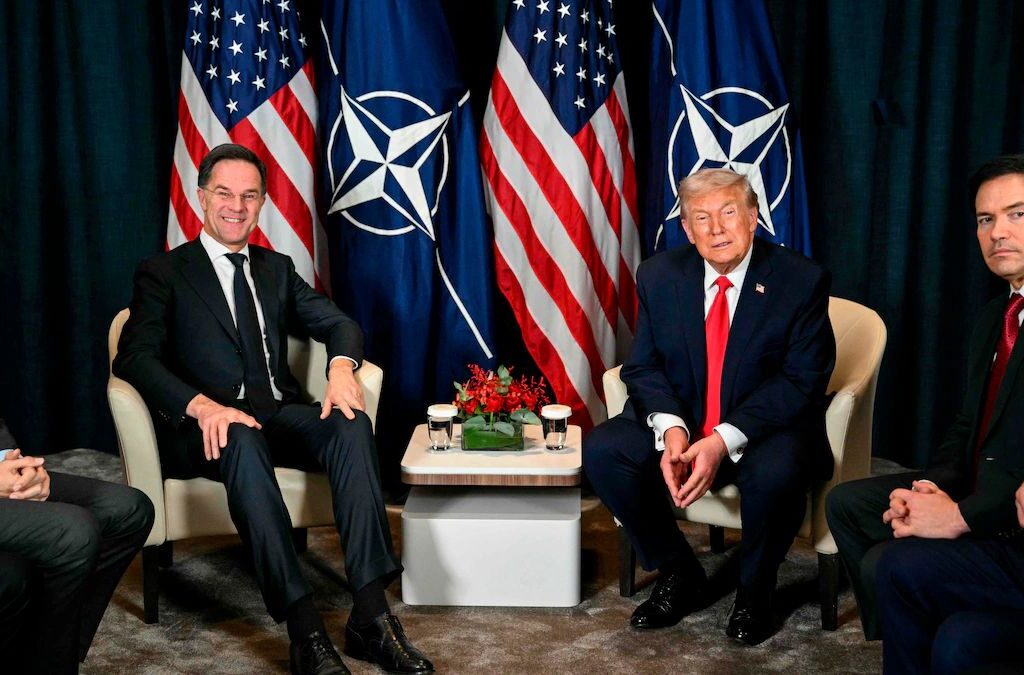
Global South Perspective Nations in Africa, Latin America, and Asia often see NATO through a non-aligned lens, critical of interventions. Iran’s funeral amplified anti-Western sentiment, while Ukraine aid highlights resource allocation debates. BRICS offers multipolar alternatives.
Expert Analysis: CSIS experts emphasize credible planning over rhetoric. Brookings analysts warn of overstretch. Think tank reports stress integrating lessons from Ukraine while preparing for China contingencies. Distinguished scholars like those at Chatham House highlight leadership vacuums.
Future Scenarios Optimistic: Cohesive implementation revitalizes NATO, deterring adversaries. Pessimistic: Persistent disputes lead to ad-hoc coalitions, eroding Article 5. Realistic: Gradual progress with bilateral deals, reshaping but preserving the core alliance amid great power flux.
Challenges: Political will varies; economic headwinds persist; technological parity with peers lags. Miscommunication risks escalation in hotspots like the Taiwan Strait or Arctic.
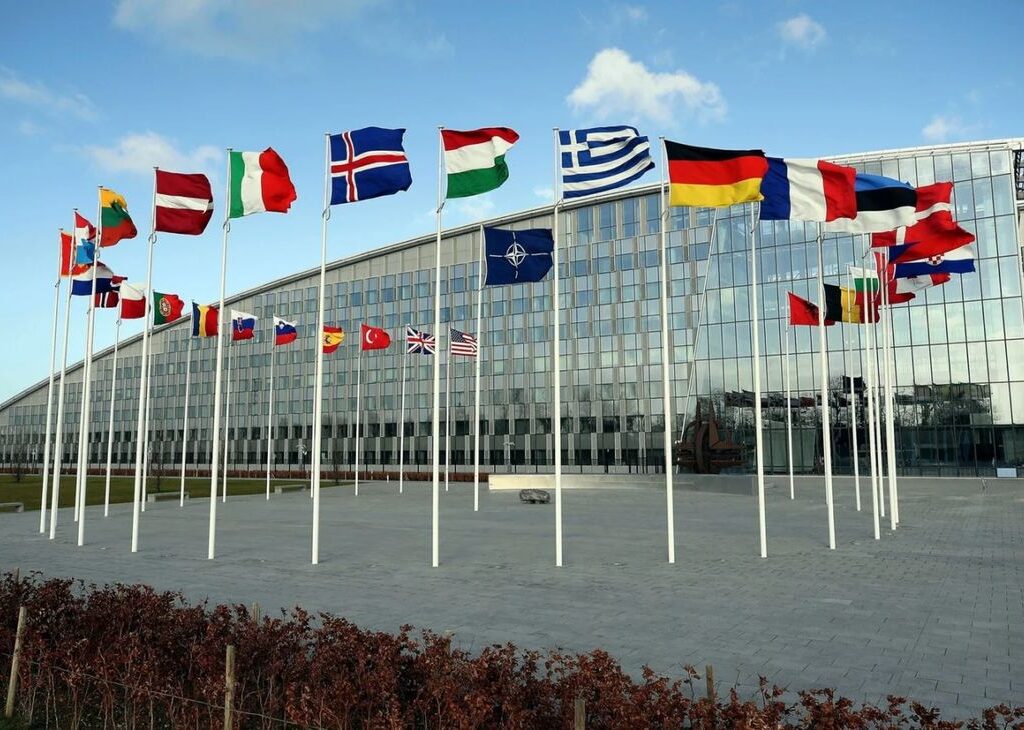
Policy Recommendations
- NATO-wide: Establish binding timelines for spending with transparency mechanisms.
- US: Offer incentives like technology sharing tied to commitments.
- Europe: Harmonize procurement via EU-NATO synergies.
- Broader: Dialogue with China on arms control; support Global South development to counter influence operations.
Conclusion: The Ankara Summit reaffirms NATO’s enduring relevance while exposing adaptation needs. Trump’s demands catalyze change, but sustainable outcomes require diplomacy, investment, and strategic foresight. In today’s interconnected yet contested world, robust alliances remain indispensable for stability, from the South China Sea to the Baltic. As historians will note, 2026 tested whether collective defense can thrive amid individualism. Evidence-based policy, drawing from diverse perspectives, offers the best path forward.
FAQ
1. What was the main focus of the NATO Summit 2026? The primary agenda revolved around defense spending increases, industrial cooperation, and Ukraine support. Discussions also addressed Middle East stability post-Iran conflict and alliance cohesion under US leadership pressures. Outcomes include new arms deals and symbolic aid pledges, setting the stage for long-term burden-sharing reforms.
2. Why is Trump’s 5% defense spending demand significant? This target aims to fundamentally rebalance responsibilities, reducing US exposure while enhancing European capabilities against hybrid and conventional threats. It builds on 2% goals but faces implementation hurdles due to varying economic capacities. Success could deter Russia more effectively; failure risks credibility erosion.
3. How did the Iran conflict impact the summit? Strikes killing Khamenei created divisions over consultation and strategy. Mourning events amplified calls for accountability, complicating consensus on energy security and regional de-escalation. It underscored NATO’s need for rapid decision-making frameworks.
4. What role did Turkey play in hosting? Erdogan facilitated dialogue, leveraging Turkey’s strategic position. Bilateral deals on defense and migration were likely discussed, balancing NATO obligations with independent policies toward Russia and the Middle East.
5. Will NATO expand support for Ukraine? Commitments focused on sustainability rather than escalation. Air defenses and training were emphasized, but political fatigue and US priorities temper ambitions. Long-term integration remains aspirational.
6. How does the summit affect China-US relations? It signals potential US pivot to Asia if Europe shoulders more, yet highlights vulnerabilities exploitable by Beijing. Strengthened NATO could indirectly constrain Chinese assertiveness through resource competition.
7. What are the economic costs of higher NATO spending? Initial strains on public finances contrast with growth in high-tech sectors. Supply chain diversification from China is costly but strategic. Overall, it may stabilize markets by signaling resolve.
8. Are there risks of NATO fragmentation? Divisions over spending and priorities exist, but shared existential threats foster resilience. Ad-hoc subgroups may emerge, but core structures endure.
9. How does this summit compare to previous ones? More overtly transactional, emphasizing enforcement over aspiration. Unlike 2025’s unity focus, 2026 grappled with enforcement amid external crises.
10. What should policymakers watch next? Spending trajectory reports, Ukraine aid efficacy, and US posture reviews. Diplomatic follow-ups on Iran and potential China engagement will shape 2027 dynamics.
Author Profile

- Syed Tahir Abbas is a Master's student at Southwest University, Chongqing, specializing in international relations and sustainable development. His research focuses on U.S.-China diplomacy, global geopolitics, and the role of education in shaping international policies. Syed has contributed to academic discussions on political dynamics, economic growth, and sustainable energy, aiming to offer fresh insights into global affairs.
Latest entries
 GeopoliticsSeptember 21, 2026Xi-Trump Summit 2026: Can Managed Competition Survive the AI and Power Reality?
 GeopoliticsSeptember 7, 2026China’s New Front: Coast Guard Patrols East of Taiwan and the Quiet Expansion of Maritime Pressure in 2026
 Strategic AssessmentAugust 24, 2026The AI Choice Is Becoming Binary: Washington’s Push and Beijing’s Counter
 GeopoliticsJuly 28, 2026South China Sea Crisis Deepens: China-Philippines Standoff and the Future of Indo-Pacific Order