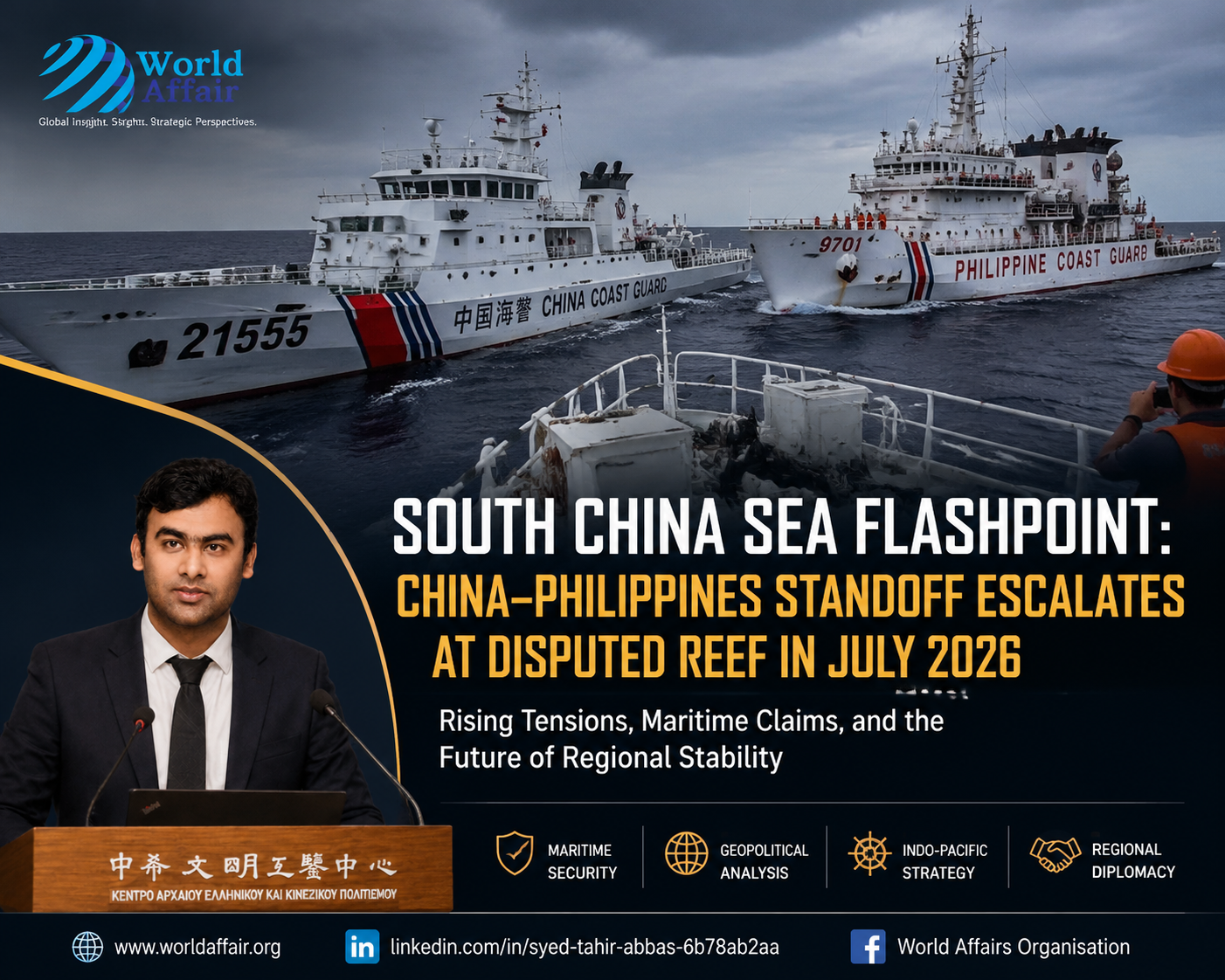
In the final days of July 2026, the South China Sea once again demonstrated why it remains one of the most dangerous and strategically consequential theaters in contemporary international politics. Philippine military authorities reported tracking 26 Chinese navy and coast guard vessels operating near Scarborough Shoal, Second Thomas Shoal, and other contested features. Simultaneously, President Ferdinand Marcos Jr., in his State of the Nation Address, delivered a firm public reaffirmation of Manila’s commitment to the 2016 arbitral award and rejected Beijing’s expansive maritime claims.
These developments are not isolated incidents. They form part of a sustained pattern of gray-zone coercion that has intensified throughout 2026, testing the resilience of the United Nations Convention on the Law of the Sea (UNCLOS), the credibility of U.S. alliance commitments, and the capacity of ASEAN to manage great-power rivalry. For scholars of international relations, strategic studies, and maritime security, the current phase offers a real-time laboratory for examining how rising powers seek to revise regional orders through calibrated pressure rather than open warfare.
This article provides a comprehensive analysis of the latest escalation. It situates recent events within their historical and legal context, examines the strategic logic of Chinese and Philippine behavior, assesses the positions of major external actors, and evaluates possible trajectories for the dispute.
Historical Background

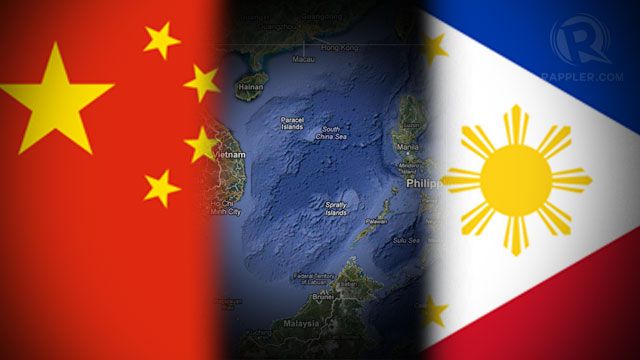
The South China Sea disputes are among the most complex in modern international law and geopolitics. China’s claim to “historic rights” within the nine-dash line encompasses roughly 90 percent of the sea’s area, overlapping with the exclusive economic zones (EEZs) of the Philippines, Vietnam, Malaysia, Brunei, and Indonesia. In 2013, the Philippines initiated arbitration under Annex VII of UNCLOS. On 12 July 2016, the tribunal in The Republic of the Philippines v. The People’s Republic of China issued a landmark award rejecting the legal basis of the nine-dash line and finding that China’s actions had violated Philippine sovereign rights in its EEZ.
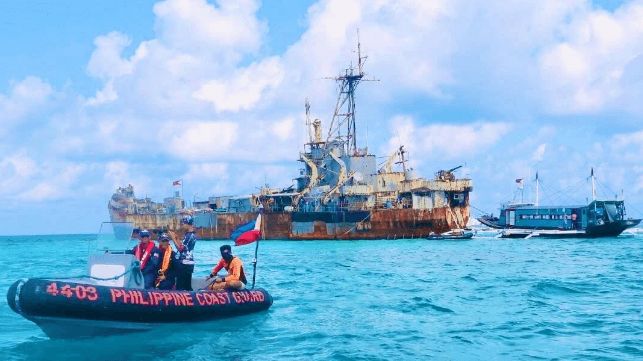
Beijing declared the award null and void and has never complied with its findings. Instead, it accelerated island-building and militarization of features in the Spratly and Paracel Islands, expanded the China Coast Guard and maritime militia, and institutionalized a strategy of persistent presence and incremental control. Second Thomas Shoal (known as Ayungin Shoal in the Philippines and Ren’ai Jiao in China) became a particular flashpoint after Manila grounded the BRP Sierra Madre there in 1999 to maintain a physical presence. Resupply missions to the outpost have repeatedly produced confrontations involving water cannons, blocking maneuvers, and, on several occasions, injuries to personnel.
The tenth anniversary of the 2016 ruling in July 2026 provided a symbolic backdrop for the latest round of tensions, with several states issuing statements reaffirming the award’s binding character.
Current Situation
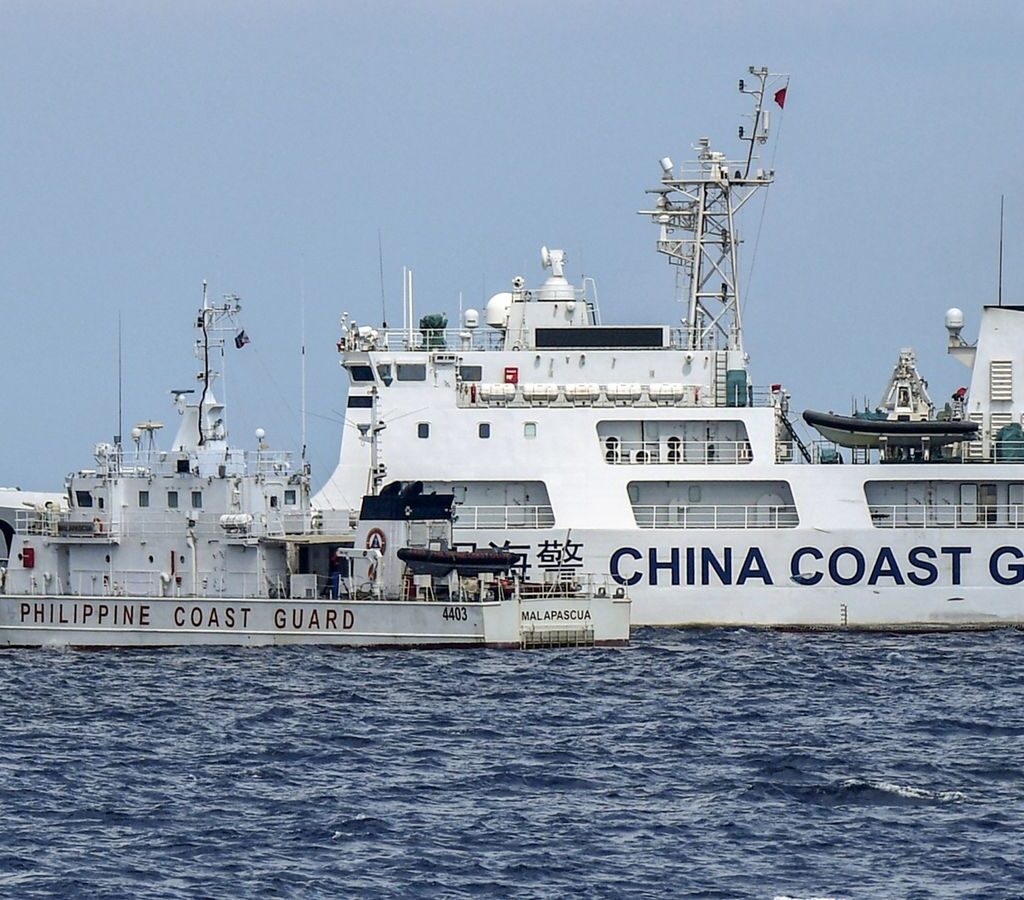
As of 27–28 July 2026, the Philippine military publicly disclosed that it was monitoring 26 Chinese vessels in the vicinity of key disputed sites. Chinese official statements described concurrent naval and air patrols as “routine” and accused the Philippines of coordinating with external powers in ways that destabilize the region.
President Marcos’s State of the Nation Address represented a deliberate political escalation. By explicitly defending the 2016 ruling and framing Chinese actions as contrary to international law, Manila signaled that it would not accept a gradual erosion of its maritime rights through persistent presence and intimidation.
Latest Developments
Key recent developments include:
- Continuous Chinese vessel deployments near Second Thomas Shoal and Scarborough Shoal.
- Joint maritime exercises involving the Philippines, the United States, and Japan earlier in July.
- Chinese Southern Theatre Command statements emphasizing the defense of territorial sovereignty.
- Diplomatic exchanges on the margins of ASEAN meetings that remained formal but strained.
These activities occur against the broader backdrop of Chinese live-fire drills and expanded coast guard patrols east of Taiwan, illustrating a multi-theater approach to pressure.
Political Analysis
In Manila, the Marcos administration must balance several competing pressures: domestic nationalist expectations, economic interdependence with China, and the security guarantees provided by the 1951 Mutual Defense Treaty with the United States. Publicly defending the arbitral award strengthens domestic legitimacy and alliance solidarity, but it also risks Chinese economic or diplomatic retaliation.
In Beijing, the pattern of behavior reflects a long-term strategy of establishing facts on the water. By maintaining a continuous presence and responding robustly to Philippine resupply or patrol activities, China seeks to normalize its administrative control while keeping the threshold of violence low enough to avoid triggering formal alliance responses.
International Relations Perspective
Realist analysis emphasizes the role of relative power and geography. China’s growing maritime capabilities enable it to impose costs on smaller claimants and to complicate U.S. operational access. Liberal institutionalists stress the continued normative force of UNCLOS and the 2016 ruling as resources that smaller states can mobilize diplomatically. Constructivist approaches highlight the clash of identity narratives: China’s historical rights discourse versus the post-1945 legal order centered on sovereign equality and maritime zones.
The dispute also illustrates the limits of ASEAN centrality. While the association has long sought to manage the issue through the Declaration on the Conduct of Parties and negotiations toward a Code of Conduct, progress remains slow and consensus fragile.
Strategic Analysis
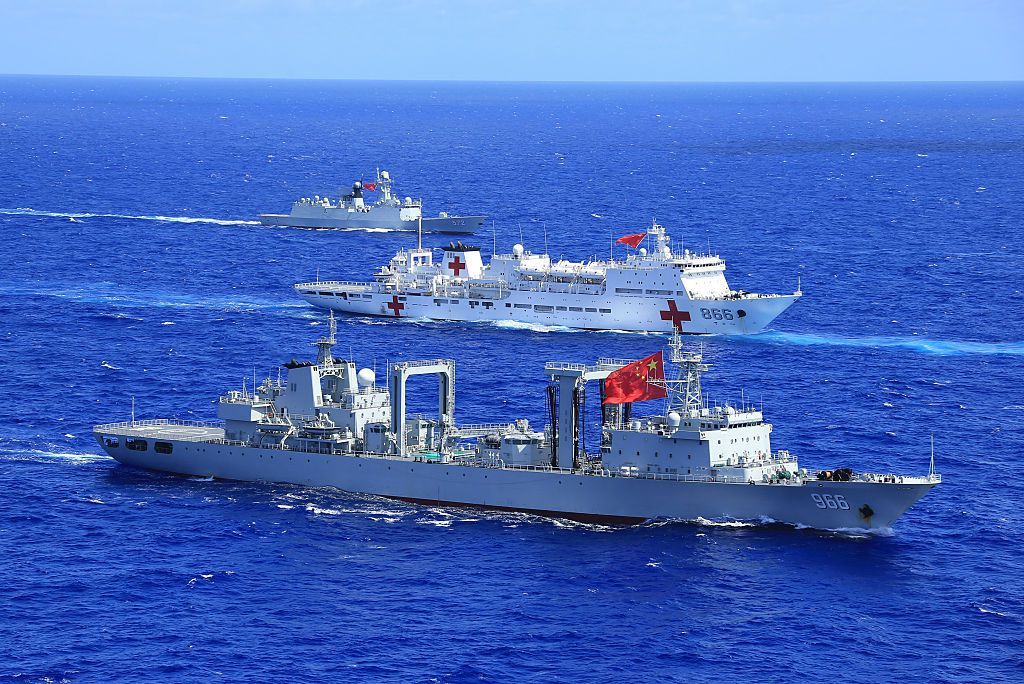
Chinese operations in the South China Sea exemplify gray-zone tactics—actions that fall below the threshold of armed conflict but that systematically alter the strategic environment. Persistent presence, coast guard enforcement, and maritime militia activities create a cumulative effect that is difficult to reverse without significant political will and military risk.
From a U.S. perspective, the challenge is twofold: maintaining the credibility of extended deterrence under the Mutual Defense Treaty while avoiding uncontrolled escalation. Joint exercises with the Philippines and Japan serve both operational and signaling purposes. For China, the same activities test the cohesion of emerging minilateral security arrangements in the Indo-Pacific.
Economic Implications
Approximately one-third of global maritime trade passes through the South China Sea. Sustained tension raises shipping insurance premiums, complicates energy transit (particularly liquefied natural gas and crude oil), and creates uncertainty for regional supply chains. Any serious disruption would have immediate consequences for East Asian economies and secondary effects worldwide.
Military Implications
The China Coast Guard has become a primary instrument of statecraft, equipped with large cutters capable of extended operations and physical interference. The maritime militia provides additional mass and plausible deniability. Philippine and allied responses focus on improving maritime domain awareness, hardening resupply operations, and enhancing interoperability among coast guards and navies.
China’s Perspective
Official Chinese discourse frames all activities as lawful measures to safeguard sovereignty and maritime rights. The 2016 arbitral award is dismissed as lacking legal basis and as the product of political manipulation. Beijing consistently portrays Philippine actions, especially those involving external partners, as provocations instigated by the United States.
US Perspective
Successive U.S. administrations have rejected the nine-dash line, conducted freedom-of-navigation operations, and affirmed that the Mutual Defense Treaty covers armed attacks on Philippine forces, public vessels, or aircraft in the South China Sea. The current emphasis remains on supporting Philippine capacity, conducting joint exercises, and maintaining a consistent diplomatic line in favor of UNCLOS.
European Perspective
European states have issued statements supporting the 2016 ruling and the principles of UNCLOS. Practical military engagement remains limited, though some members have increased naval deployments and diplomatic coordination with ASEAN claimants.
Asian Perspective
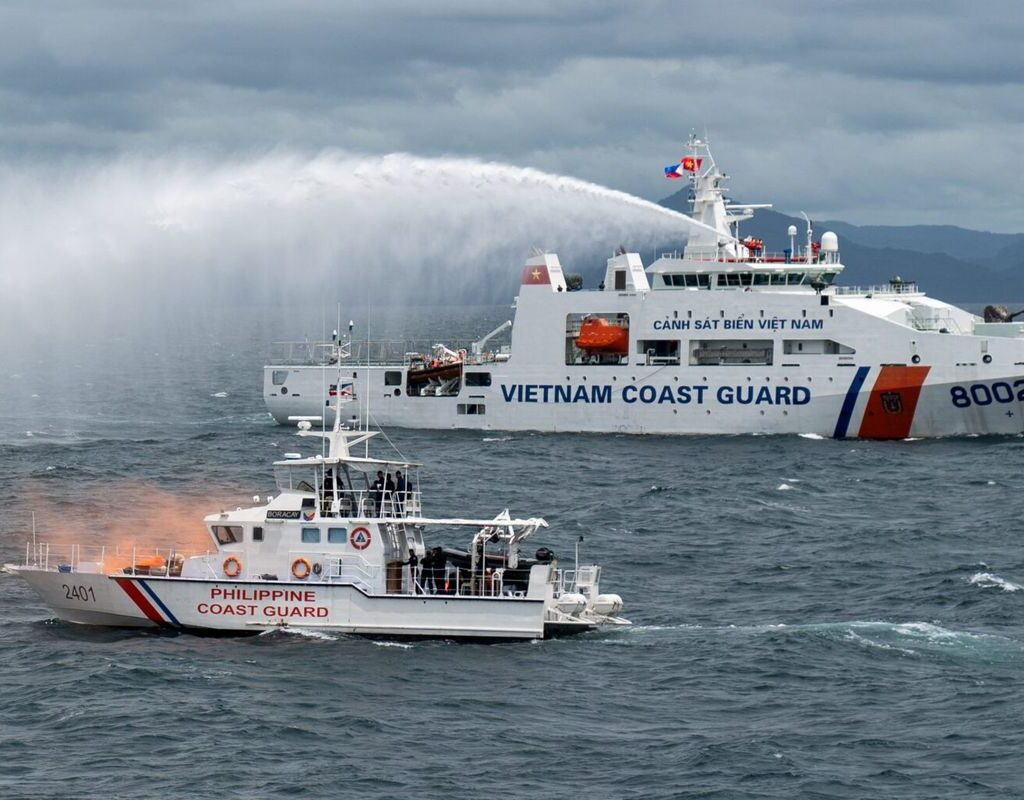
Vietnam continues its own island construction and fortification program while maintaining a carefully calibrated relationship with China. Japan has deepened security cooperation with the Philippines through equipment transfers and joint exercises. Australia has joined statements supporting the arbitral award. Smaller ASEAN states generally prefer quiet diplomacy and economic engagement over open confrontation.
Global South Perspective
Many developing countries value Chinese investment and infrastructure financing while remaining sensitive to the precedent that powerful states can effectively ignore adverse international legal rulings. Support for UNCLOS principles is widespread, but willingness to confront Beijing directly is limited.
Expert Analysis
Specialists at institutions such as CSIS, the International Institute for Strategic Studies, and regional think tanks assess the current pattern as deliberate and controlled rather than the prelude to imminent large-scale conflict. The primary risk is miscalculation during close-quarters encounters or during contested resupply missions. The cumulative effect of gray-zone pressure, however, may eventually confront policymakers with a choice between accepting a revised status quo or taking more assertive countermeasures.
Future Scenarios
Three broad trajectories are plausible:
- Continued gray-zone attrition with periodic spikes in tension but no major kinetic escalation.
- Successful development of crisis-management mechanisms and a more stable, if still contested, modus vivendi.
- Accidental or deliberate escalation that produces casualties and forces a sharper crisis.
The most likely near-term outcome remains the first, but the second requires sustained diplomatic investment and the third cannot be ruled out.
Challenges
Key obstacles include the asymmetry of power between China and the Philippines, the difficulty of coordinating alliance responses below the threshold of armed attack, domestic political constraints in all capitals, and the absence of effective regional enforcement mechanisms for international legal rulings.
Policy Recommendations
- Strengthen Philippine maritime domain awareness, coast guard capacity, and resilient resupply systems.
- Maintain consistent, high-level diplomatic support for the 2016 arbitral award and UNCLOS.
- Expand minilateral exercises and information-sharing while preserving channels for crisis communication with Beijing.
- Encourage ASEAN to advance a substantive and enforceable Code of Conduct.
- Develop clearer public and private thresholds for responses to gray-zone coercion.
Conclusion
The events of late July 2026 underscore that the South China Sea remains a central arena in which the future of the Indo-Pacific order is being contested. China’s persistent presence operations and the Philippines’ determination to uphold the 2016 ruling illustrate a deeper struggle between power-based and rules-based approaches to maritime governance. How regional states and external powers manage this contest will shape not only the security of Southeast Asia but the broader credibility of international law in an era of intensifying great-power competition. Clear-eyed analysis, steady alliance management, and sustained diplomatic engagement remain essential.
FAQ
1. What triggered the latest South China Sea tensions in July 2026? Philippine authorities reported tracking 26 Chinese vessels near disputed features, while President Marcos publicly reaffirmed the 2016 arbitral ruling, elevating the political profile of the long-running dispute.
2. Why is Second Thomas Shoal so important? It hosts the Philippine outpost on the BRP Sierra Madre and has been the site of repeated physical confrontations over resupply missions, making it a focal point of gray-zone pressure.
3. Is the 2016 arbitral ruling still relevant? Yes. The majority of states continue to regard it as final and binding under UNCLOS, even though China rejects it. It remains a key normative and diplomatic resource for the Philippines and its partners.
4. How does the United States view these developments? Washington supports the arbitral award, conducts freedom-of-navigation operations, and has stated that the Mutual Defense Treaty applies to armed attacks on Philippine forces in the South China Sea.
5. What are gray-zone tactics? Actions that fall below the threshold of conventional armed conflict—such as coast guard interference, maritime militia operations, and persistent presence—designed to change facts on the water gradually.
6. Could these tensions disrupt global trade? The South China Sea is a major artery of global commerce. Sustained high tension raises insurance costs and creates uncertainty, though a major disruption would require a significant escalation.
7. How have other Asian countries responded? Japan and Australia have increased security cooperation with the Philippines. Vietnam continues its own fortification efforts. ASEAN as a whole remains divided between those prioritizing legal principles and those emphasizing economic ties with China.
8. What is China’s official position? Beijing claims historic rights within the nine-dash line, rejects the 2016 ruling as illegitimate, and describes its operations as necessary to safeguard sovereignty and maritime rights.
9. Is open conflict likely? Most expert assessments judge deliberate large-scale conflict unlikely in the near term. The greater risk is accidental escalation during close encounters.
10. What can be done to reduce risks? Improved crisis communication, stronger Philippine maritime capacity, consistent diplomatic support for international law, and progress toward a meaningful Code of Conduct would all help manage the dispute.
Author Profile

- Syed Tahir Abbas is a Master's student at Southwest University, Chongqing, specializing in international relations and sustainable development. His research focuses on U.S.-China diplomacy, global geopolitics, and the role of education in shaping international policies. Syed has contributed to academic discussions on political dynamics, economic growth, and sustainable energy, aiming to offer fresh insights into global affairs.
Latest entries
 GeopoliticsSeptember 21, 2026Xi-Trump Summit 2026: Can Managed Competition Survive the AI and Power Reality?
 GeopoliticsSeptember 7, 2026China’s New Front: Coast Guard Patrols East of Taiwan and the Quiet Expansion of Maritime Pressure in 2026
 Strategic AssessmentAugust 24, 2026The AI Choice Is Becoming Binary: Washington’s Push and Beijing’s Counter
 GeopoliticsJuly 28, 2026South China Sea Crisis Deepens: China-Philippines Standoff and the Future of Indo-Pacific Order