
Table of Contents
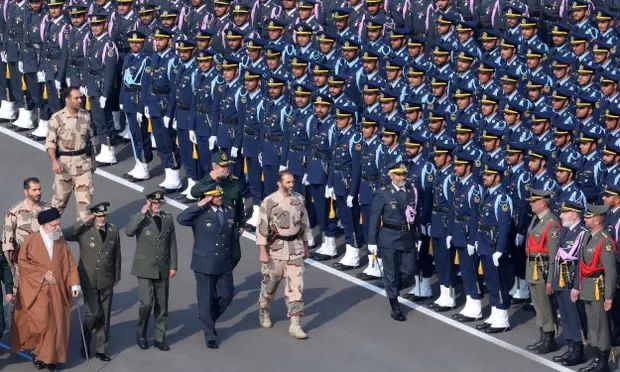
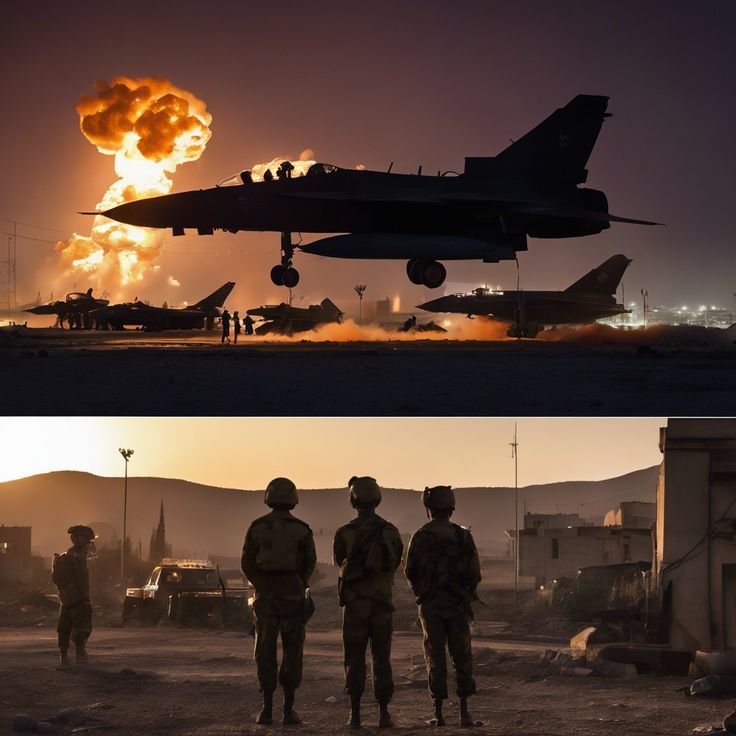
As nuclear talks between the United States and Iran continue, escalating tensions have led to stark threats from Tehran. Iran’s defense minister, Aziz Nasirzadeh, recently announced that if conflict erupts between the two countries, Iran will target US military bases in the region. The threat comes ahead of the sixth round of nuclear talks, with US President Donald Trump expressing growing doubt about reaching a viable deal with Iran. Since April 2025, Washington and Tehran have engaged in negotiations, hoping to reach an agreement that would limit Iran’s uranium enrichment activities. However, as the talks stall, Trump’s confidence in a diplomatic solution diminishes, with the US president admitting that he is “less confident” about securing a deal than he was a few months ago.
Iran’s Stance: Defending Sovereignty and Rejecting Pressure
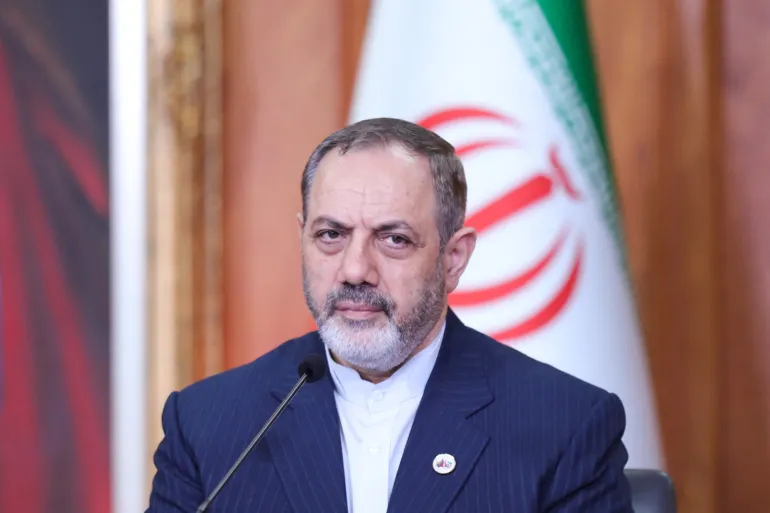
Iran has been firm in its stance during these negotiations. In a statement on June 11, 2025, Defense Minister Aziz Nasirzadeh emphasized that if the US were to initiate military action, all US bases in the region would be targeted, as they are “within reach” of Iranian forces. Nasirzadeh’s words reflect Tehran’s readiness to respond forcefully to any military aggression. This comes as Iran’s President, Masoud Pezeshkian, reiterated that Iran has no intention of building nuclear weapons but remains committed to conducting nuclear research. He boldly stated, “Who gave you permission to say that we in this country do not have the right to conduct research…?” His remarks highlight Iran’s resistance to external pressure on its nuclear program. The tension between the two nations is palpable, with both sides preparing for the sixth round of talks in Oman later this week. While Iran has promised a counterproposal, the US remains resolute that Iran must not develop nuclear weapons.
US-EU Relations: The Growing Divide
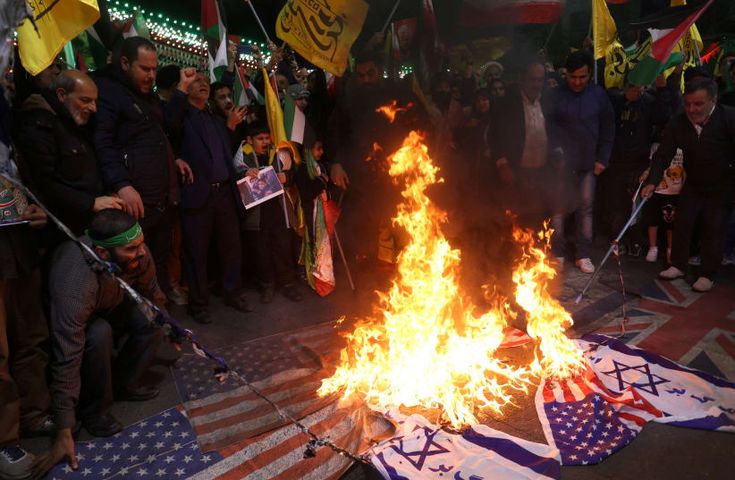
The political standoff has also seen European Union powers expressing concern over the potential breakdown of talks. The International Atomic Energy Agency (IAEA) is poised to vote on a resolution to censure Iran over non-compliance with nuclear non-proliferation obligations. This could further strain diplomatic relations and complicate the negotiations. As the US and Iran continue to engage in negotiations, the likelihood of a diplomatic breakthrough remains uncertain. US officials, including Trump, have made it clear that while they seek a peaceful resolution, they are prepared to take military action if necessary to prevent Iran from obtaining nuclear weapons.
Trump’s Growing Doubts
In an interview with Pod Force One, President Donald Trump voiced his growing concern about the lack of enthusiasm from Tehran regarding the talks. He admitted that he is becoming less confident in a deal with Iran, stating, “I’m less confident now than I would have been a couple of months ago.” Trump reiterated that the US would not allow Iran to develop nuclear weapons but acknowledged that it would be preferable to avoid conflict. The president’s comments underscore the increasing pressure on both sides to agree. While the US maintains a hardline stance on Iran’s nuclear program, the failure to reach a deal would only escalate the risk of military conflict.

Iran’s Military Development: A Growing Concern
Another point of contention in the talks is Iran’s missile program, which the US fears could eventually serve as a delivery system for nuclear weapons. On June 11, 2025, Nasirzadeh confirmed that Iran successfully tested a missile capable of carrying a 2,000 kg warhead. While details on the missile’s specific model remain unclear, it’s believed to be a version of the Khorramshahr ballistic missile, capable of traveling over 2,000 km. This missile test has raised alarms about Iran’s growing military capabilities and the implications for regional security. The missile test, combined with Tehran’s defiant stance, has intensified fears that the nuclear negotiations could unravel, leading to further instability in the region. With both the US and Iran staking out hardline positions, the next few weeks will be critical in determining whether diplomacy can succeed or if the world is on the brink of a larger conflict.
Global Reactions: Calls for De-escalation
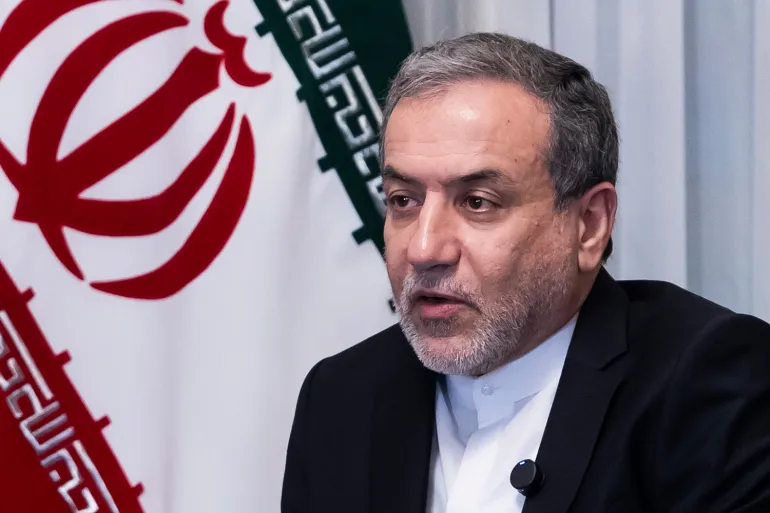
As tensions mount, Russia has offered to mediate, proposing that it could help Iran convert nuclear materials into civilian reactor fuel, an effort aimed at preventing the country from developing nuclear weapons. Russia’s Deputy Foreign Minister, Sergei Ryabkov, called for greater international efforts to find a resolution to the nuclear issue but warned that the lack of progress on the diplomatic front could lead to further confrontation. Meanwhile, Iranian Foreign Minister Abbas Araghchi has reiterated that the country does not wish to develop nuclear weapons and remains committed to a peaceful nuclear program. However, he also emphasized that Iran will continue its enrichment program under the supervision of the IAEA, with Tehran willing to negotiate on terms that ensure the peaceful nature of its nuclear efforts.
Looking Ahead: The Path to Peace or War?
As the US-Iran nuclear talks approach another crucial juncture, the global community is left to wonder whether a breakthrough can be achieved or if a military confrontation is inevitable. The threat of war looms large as both sides dig in their heels, with the fate of millions hanging in the balance. Iran’s missile tests, coupled with President Trump’s increasing doubts about a deal, have made it clear that the path forward will not be easy. As the world watches closely, the coming days and weeks will reveal whether diplomacy can defuse the growing tensions or if the world will be plunged into a new chapter of conflict.
Author Profile

- Li Li, associate professor and master’s supervisor at Southwest University. B.A. in English for Education from Southwest Normal University, M.A. in English Translation and Interpretation from China Foreign Affairs University, Ph. D. in Japanese Cultural History from Nankai University (all above are in China). Also has studied at Osaka Sangyo University and Kokugakuin University in Japan and been a Fulbright visiting scholar to Western Kentucky University in US. A multidisciplinary and versatile instructor with a trilingual mastery of Chinese, English and Japanese, known for Combining foreign language teaching with history and humanity cultivation. Academic researches center on Japanese history, international relations and Western culture studies. Work experiences include teaching at Capital Normal University, Chongqing Normal University, and Southwest University. Has published multiple academic papers, translated works, authored or co-edited several textbooks and monographs; provided language services for several high-level and high-profile international events.
Latest entries
 PoliticsSeptember 7, 2025Japan’s Prime Minister Shigeru Ishiba Resigns Amid Election Defeats:What’s Next for Japan?
 GeopoliticsAugust 22, 2025The Limits of Russia’s Friendship: Moscow’s Calculated Response to the Iran Crisis
 Japanese PoliticsJuly 22, 2025Japan’s Upper House Election: Prolonged Instability and Its Impact on Domestic and Foreign Policy
 Middle East AffairsJuly 20, 2025Will Israel Ever Face Consequences for Bombing Its Neighbours?

4 comments
I adore studying and I believe this website got some genuinely utilitarian stuff on it! .
Fantastic site. Lots of useful information here. I am sending it to a few buddies ans additionally sharing in delicious. And of course, thank you on your sweat!
Having read this I thought it was very informative. I appreciate you taking the time and effort to put this article together. I once again find myself spending way to much time both reading and commenting. But so what, it was still worth it!
**mitolyn**
Mitolyn is a carefully developed, plant-based formula created to help support metabolic efficiency and encourage healthy, lasting weight management.