
Table of Contents
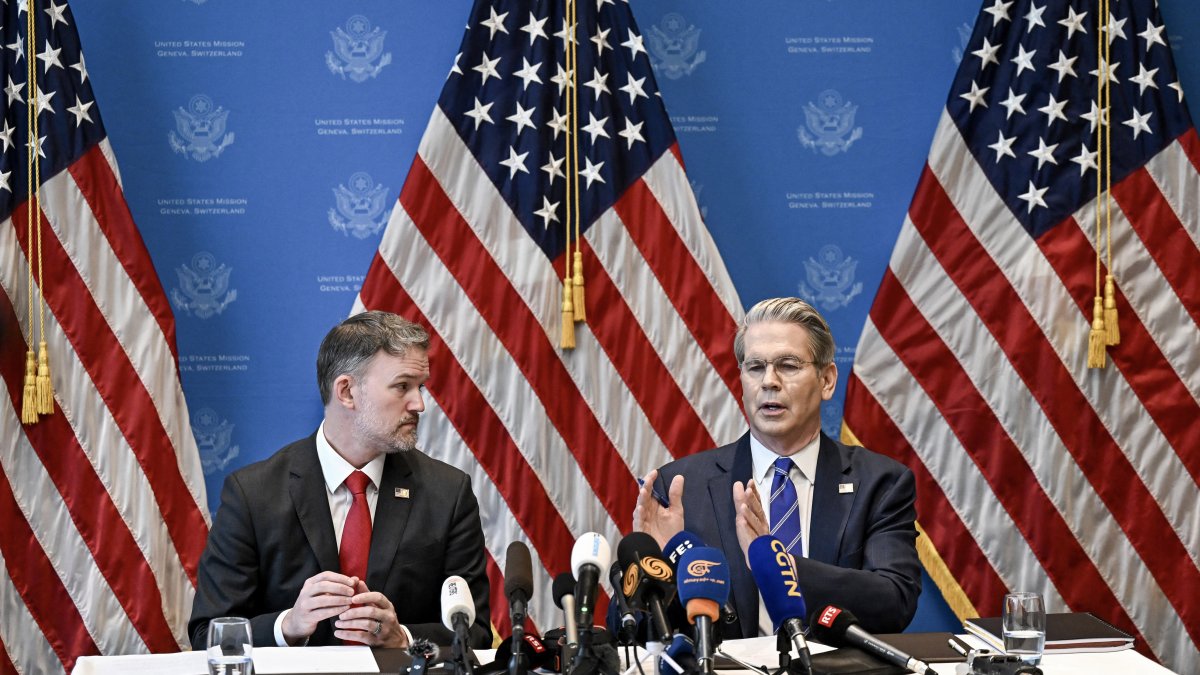
In what many are calling a hopeful shift, the United States and China recently announced plans to roll back some of the tariffs that have defined their years-long trade war. The move, born from tense negotiations in Geneva, hints at a potential thaw in relations. However, while this development may calm markets temporarily, it doesn’t mark a full strategic victory—nor does it solve the deeper issues that have long defined the U.S.-China rivalry.
The Real Battle: Technology and Economic Sovereignty
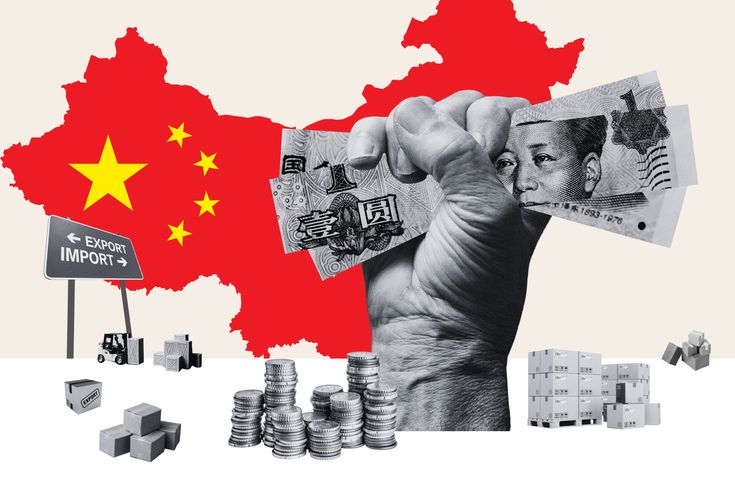
At the heart of U.S.-China tensions lies more than trade imbalances—it’s a fierce competition for economic and technological dominance. The rollback of tariffs, though symbolically significant, is only a surface-level change. True progress will depend on how both nations navigate sensitive issues like intellectual property rights, supply chain resilience, cybersecurity, and standards for emerging technologies.
The Geneva talks provide a starting point, not a resolution. If the United States wants to reclaim its leadership role, it must pivot from tariff-based pressure to a more future-focused agenda centered on innovation, strategic alliances, and infrastructure.
Four U.S. Approaches—and a Warning
Right now, the United States appears uncertain about its next steps. President Trump has floated a “mega deal” approach with China, aiming to reset the entire economic relationship. Meanwhile, the Treasury Secretary’s “encirclement strategy” hopes to align U.S. allies into a united front. Others within the administration suggest a multilateral currency pact reminiscent of the 1985 Plaza Accord. But without clarity and consistency, the U.S. risks falling into a fourth and far more dangerous path: strategic drift.

In this worst-case scenario, the U.S. focuses on smaller bilateral deals—like with the U.K. or India—while China strengthens its position in Asia and beyond. The outcome? Washington would isolate itself just when the global order is shifting.

Tariffs Are Hurting—Not Helping
The cost of high tariffs has already begun to show. U.S. freight orders from China have plummeted by over 60%, and major ports are facing possible credit downgrades. Domestic industries like trucking and retail are feeling the squeeze, with rising prices now forcing the average American household to spend an extra $3,800 a year. That’s more than an inconvenience—it’s a hidden tax on working families.
Meanwhile, financial markets have reacted with growing unease. Sharp equity losses, rising bond yields, and a weakening dollar suggest global investors are seeking safer, more stable options. These are not just market blips—they’re signs that confidence in the U.S. economy may be eroding.
What America Needs Now: A Technology-First Playbook
To truly reset its economic standing, the U.S. must move beyond protectionism and embrace a smarter, tech-driven growth model. Rather than obsessing over trade deficits, the focus should be on securing dominance in strategic sectors—especially digital infrastructure, clean energy, semiconductors, and biotechnology.
Here’s how the U.S. can begin this transition:
- Redefine Trade Strategy: Transform the current America First approach into a “Trade and Technology” policy. This would align federal agencies toward ensuring access to critical minerals, securing global tech supply chains, and opening international markets for U.S. exports.
- Modernize the Energy Grid: Focus on rapid energy deployment—including nuclear and renewables—to power next-generation industries. Access to fast, reliable electricity is now as important as access to capital.
- Reignite National Innovation: Reinvest in scientific research through competitions, funding challenges, and support for university-led innovation hubs. Public and private partnerships should be encouraged to accelerate progress in frontier technologies.
- Fund the Future: Structure any proposed U.S. Sovereign Investment Fund to prioritize advanced technologies. This includes providing capital for research, commercialization, and infrastructure that supports nationwide adoption of innovations.
- Invest in People and Skills: Launch a national workforce plan focused on mid-sized businesses and talent development. Immigration reform and technical education will be essential to meet the growing demand for high-skill labor.
Final Thought: Don’t Let a Trade Deal Become a Missed Opportunity
China is no longer the vulnerable manufacturing giant of two decades ago. It’s advancing in sectors the U.S. once led. If America wants to remain a global leader, the answer isn’t more tariffs—it’s a smart strategy, strategic investment, and a clear vision for a modern economy.
Rolling back tariffs may ease short-term pain. But without a bold, unified push toward long-term technology leadership, the U.S. risks ceding ground not just in Asia but across the entire global economy.
Stay Informed. Stay Ahead.
For more insights on global trade, international strategy, and emerging tech policies, keep following WorldAffair.org.
Author Profile

- Li Li, associate professor and master’s supervisor at Southwest University. B.A. in English for Education from Southwest Normal University, M.A. in English Translation and Interpretation from China Foreign Affairs University, Ph. D. in Japanese Cultural History from Nankai University (all above are in China). Also has studied at Osaka Sangyo University and Kokugakuin University in Japan and been a Fulbright visiting scholar to Western Kentucky University in US. A multidisciplinary and versatile instructor with a trilingual mastery of Chinese, English and Japanese, known for Combining foreign language teaching with history and humanity cultivation. Academic researches center on Japanese history, international relations and Western culture studies. Work experiences include teaching at Capital Normal University, Chongqing Normal University, and Southwest University. Has published multiple academic papers, translated works, authored or co-edited several textbooks and monographs; provided language services for several high-level and high-profile international events.
Latest entries
 PoliticsSeptember 7, 2025Japan’s Prime Minister Shigeru Ishiba Resigns Amid Election Defeats:What’s Next for Japan?
 GeopoliticsAugust 22, 2025The Limits of Russia’s Friendship: Moscow’s Calculated Response to the Iran Crisis
 Japanese PoliticsJuly 22, 2025Japan’s Upper House Election: Prolonged Instability and Its Impact on Domestic and Foreign Policy
 Middle East AffairsJuly 20, 2025Will Israel Ever Face Consequences for Bombing Its Neighbours?

17 comments
The escalating tensions between the U.S. and China seem to be more than just a trade war; it’s a battle for global supremacy in technology and economics. While tariff reductions might seem like progress, they don’t address deeper issues like intellectual property, cybersecurity, or supply chain security. The U.S. appears indecisive, with conflicting strategies like Trump’s “mega deal” and the Treasury’s “encirclement strategy.” Meanwhile, the cost of tariffs is hitting American families hard, with rising prices and economic uncertainty. Financial markets are also signaling a lack of confidence in the U.S. economy, which is concerning. The focus should shift from protectionism to innovation, especially in sectors like digital infrastructure, clean energy, and biotechnology. But how can the U.S. effectively outpace China in these areas without falling into strategic drift? Isn’t it time for a more unified and forward-thinking approach?
Another amazing post! Your way with words makes even complex topics so easy to understand. Love your work! 💫
Can I just say what a relief to find someone who actually knows what theyre talking about on the internet. You definitely know how to bring an issue to light and make it important. More people need to read this and understand this side of the story. I cant believe youre not more popular because you definitely have the gift.
Dead composed articles, regards for selective information.
he blog was how do i say it… relevant, finally something that helped me. Thanks
Great post. I was checking continuously this blog and I am inspired! Very helpful info specially the last phase 🙂 I maintain such info a lot. I used to be seeking this particular information for a long time. Thank you and best of luck.
I really appreciate this post. I have been looking all over for this! Thank goodness I found it on Bing. You have made my day! Thank you again
Wonderful beat ! I would like to apprentice while you amend your site, how could i subscribe for a blog web site? The account aided me a appropriate deal. I were a little bit acquainted of this your broadcast offered shiny clear concept
I wish to express thanks to the writer just for bailing me out of this problem. After browsing through the search engines and getting recommendations which are not pleasant, I believed my life was over. Being alive without the approaches to the problems you have solved through your site is a serious case, as well as ones that could have badly damaged my entire career if I had not noticed your web blog. Your actual expertise and kindness in maneuvering all the stuff was useful. I’m not sure what I would’ve done if I had not come upon such a thing like this. It’s possible to at this point look ahead to my future. Thanks a lot so much for this skilled and result oriented guide. I won’t be reluctant to propose your blog post to anybody who needs and wants support about this subject.
I don’t even know how I ended up here, but I thought this post was great. I do not know who you are but certainly you’re going to a famous blogger if you aren’t already 😉 Cheers!
Great line up. We will be linking to this great article on our site. Keep up the good writing.
Great post, I think blog owners should acquire a lot from this web site its real user pleasant.
Hey! I know this is kind of off topic but I was wondering if you knew where I could find a captcha plugin for my comment form? I’m using the same blog platform as yours and I’m having difficulty finding one? Thanks a lot!
I cling on to listening to the news speak about receiving free online grant applications so I have been looking around for the most excellent site to get one. Could you tell me please, where could i acquire some?
You are my breathing in, I possess few blogs and very sporadically run out from to brand : (.
There are certainly loads of details like that to take into consideration. That may be a nice point to bring up. I provide the thoughts above as normal inspiration but clearly there are questions just like the one you carry up where the most important factor shall be working in sincere good faith. I don?t know if greatest practices have emerged around issues like that, however I’m positive that your job is clearly recognized as a good game. Each boys and girls feel the impact of just a moment’s pleasure, for the remainder of their lives.
Thanks for sharing. I read many of your blog posts, cool, your blog is very good.