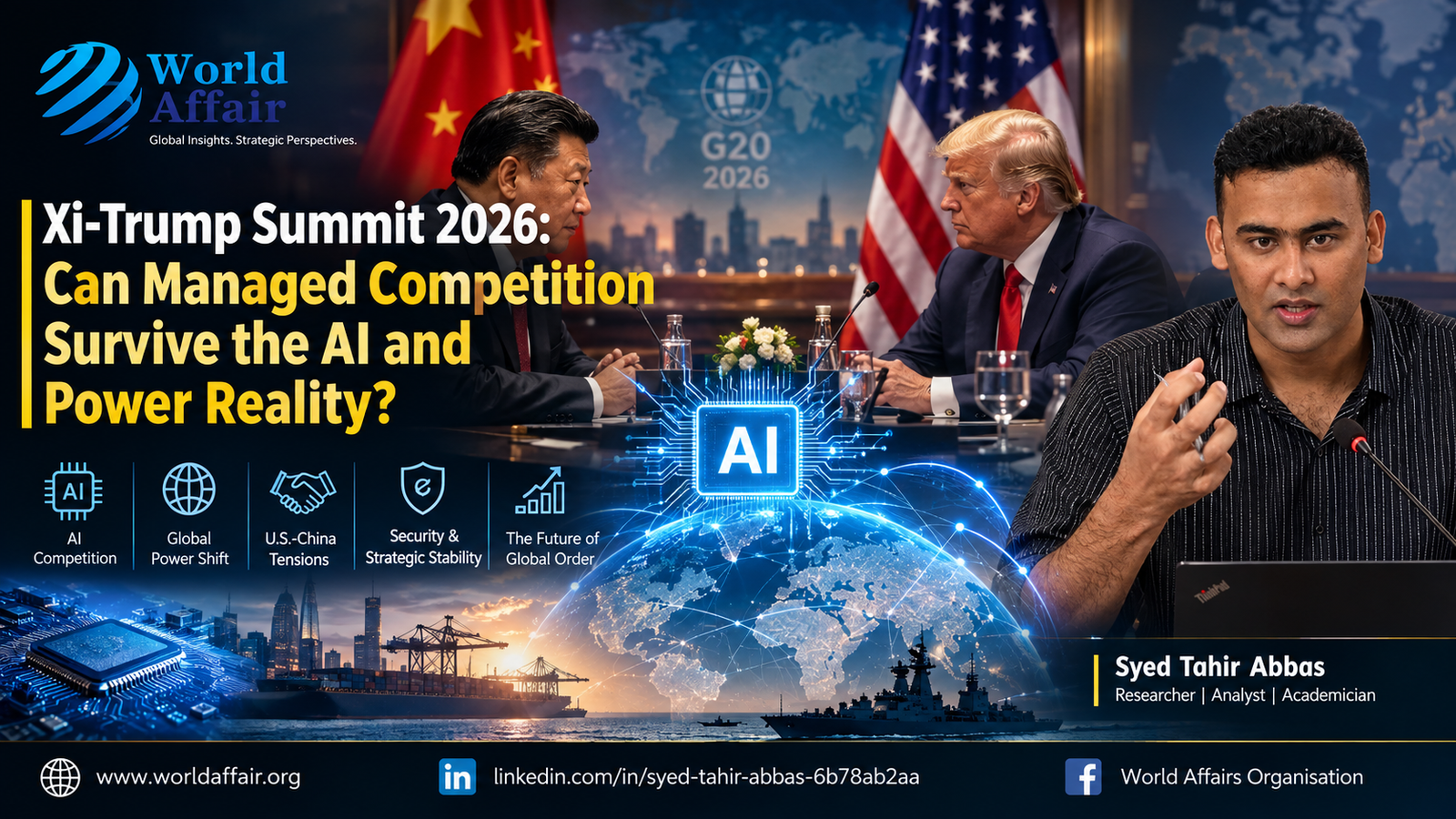
The forthcoming meeting between President Xi Jinping and President Donald Trump arrives at a moment of deliberate diplomatic calibration. After several rounds of trade discussions, the two sides have agreed to establish a formal dialogue on artificial intelligence. The announcement is carefully timed. It creates a constructive atmosphere ahead of the leaders’ encounter while leaving the harder questions of power, technology, and security largely unresolved. For those who follow great-power relations closely, the summit offers a revealing case study in the possibilities and the clear limits of managed competition.

The historical record of U.S.–China high-level meetings is instructive. Earlier encounters between Chinese and American leaders—whether under previous administrations or during Trump’s first term—have typically produced temporary stabilisation rather than lasting structural change. Tariffs have been paused, military communication channels reopened, and specific irritants addressed. Yet the underlying sources of friction—competing visions of regional order, technological leadership, and the status of Taiwan—have consistently reasserted themselves. The 2026 meeting is likely to follow a similar pattern: useful for risk management, insufficient for transformation.
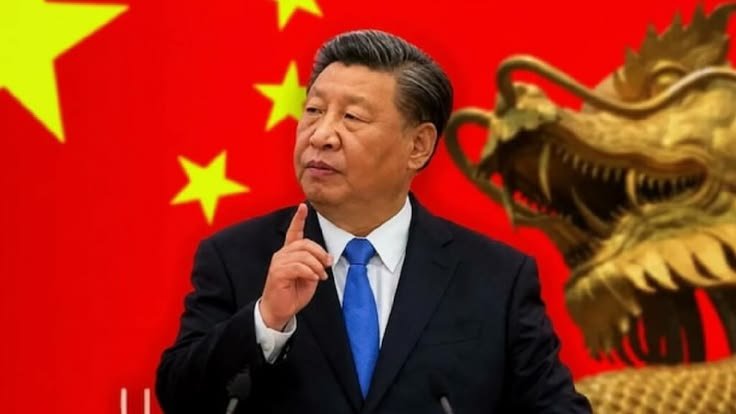
Both sides enter the talks with defined priorities. For Beijing, the visit serves multiple purposes. It demonstrates diplomatic agency on the global stage, creates space to discuss technology restrictions and trade barriers, and allows Chinese leaders to present engagement as evidence of responsible major-power behaviour. At the same time, core interests remain non-negotiable. Questions of sovereignty, particularly regarding Taiwan, and the long-term trajectory of China’s technological development are treated as matters of principle rather than bargaining chips. Any agreement that emerges will be carefully bounded.
Washington’s approach is more transactional. The current administration seeks measurable outcomes—progress on trade imbalances, cooperation on fentanyl, and some framework for managing artificial intelligence risks—while preserving freedom of action on security issues. The newly agreed AI dialogue reflects a pragmatic recognition that the technology carries both competitive and catastrophic potential. Establishing a channel for discussion is rational. Expecting it to slow the broader race for advantage would be unrealistic.

The artificial intelligence dimension deserves particular attention. AI is no longer a secondary issue; it has become central to economic competitiveness, military modernisation, and national power. A structured dialogue can reduce the risk of miscalculation, clarify red lines around military applications, and create early-warning mechanisms. Yet the same technology is simultaneously the object of intense strategic competition. Export controls, investment restrictions, and domestic industrial policies on both sides continue to harden. Dialogue and decoupling are proceeding in parallel. This dual track is not a contradiction; it is the defining feature of the current relationship.
Taiwan will almost certainly feature in private conversations, even if public statements remain carefully worded. China’s position is consistent and long-standing. The United States continues to maintain its own framework of unofficial relations and arms sales. Neither side is prepared to alter the fundamental parameters of this issue for the sake of summit atmospherics. The most that can reasonably be expected is language that avoids unnecessary escalation in the immediate term.
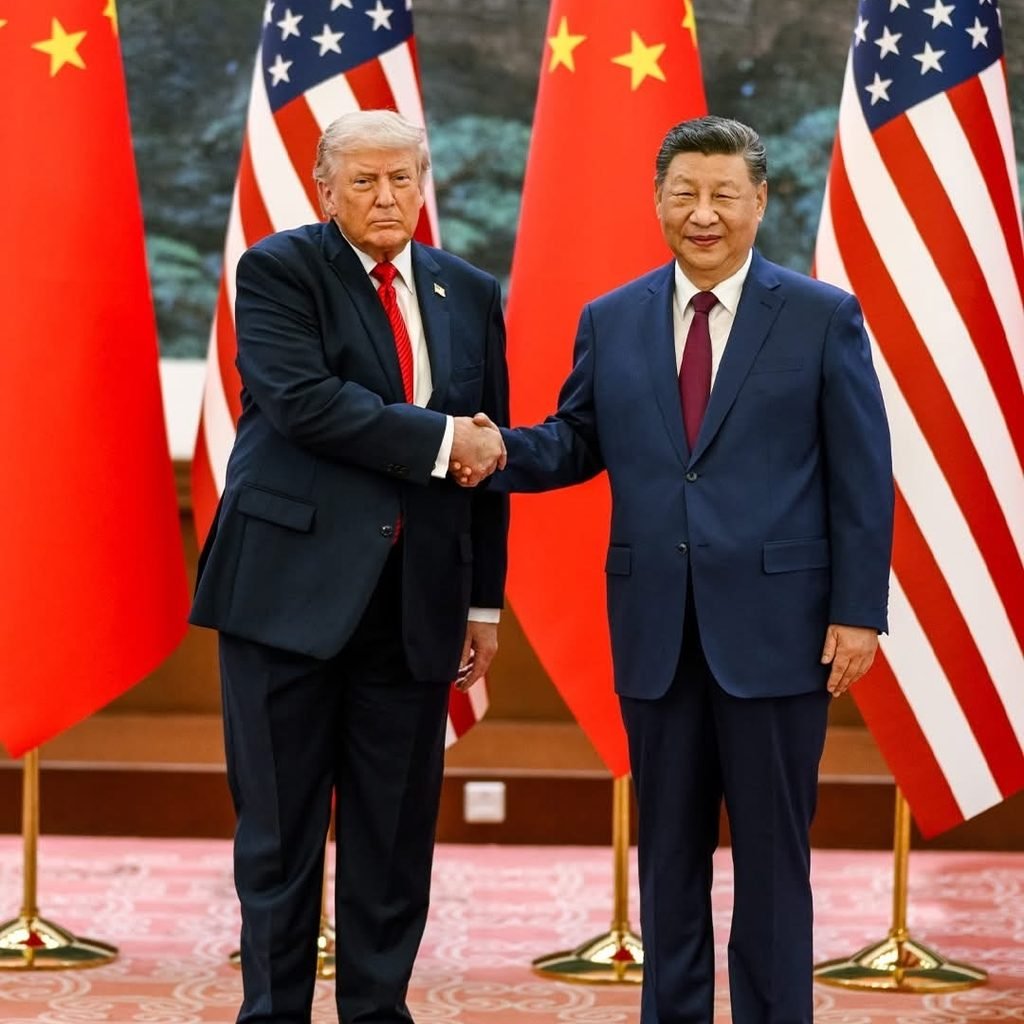
A critical assessment must avoid two common errors. The first is excessive optimism—the belief that personal chemistry or carefully crafted communiqués can override structural rivalry. The second is reflexive pessimism—the assumption that every engagement is merely theatre. The more accurate view is that limited mechanisms of stability remain possible and often necessary, but they operate within a competitive relationship whose basic character is not changing. Engagement manages risk; it does not dissolve the underlying contest over influence, technology, and order in the Indo-Pacific and beyond.

Economic and technological interdependence still exists, yet it is increasingly selective. Both countries are pursuing greater self-reliance in critical sectors while maintaining commercial ties where mutual benefit remains clear. Any trade-related understandings that emerge from the current talks will reflect this reality: pragmatic, reversible, and subordinate to broader strategic calculations.
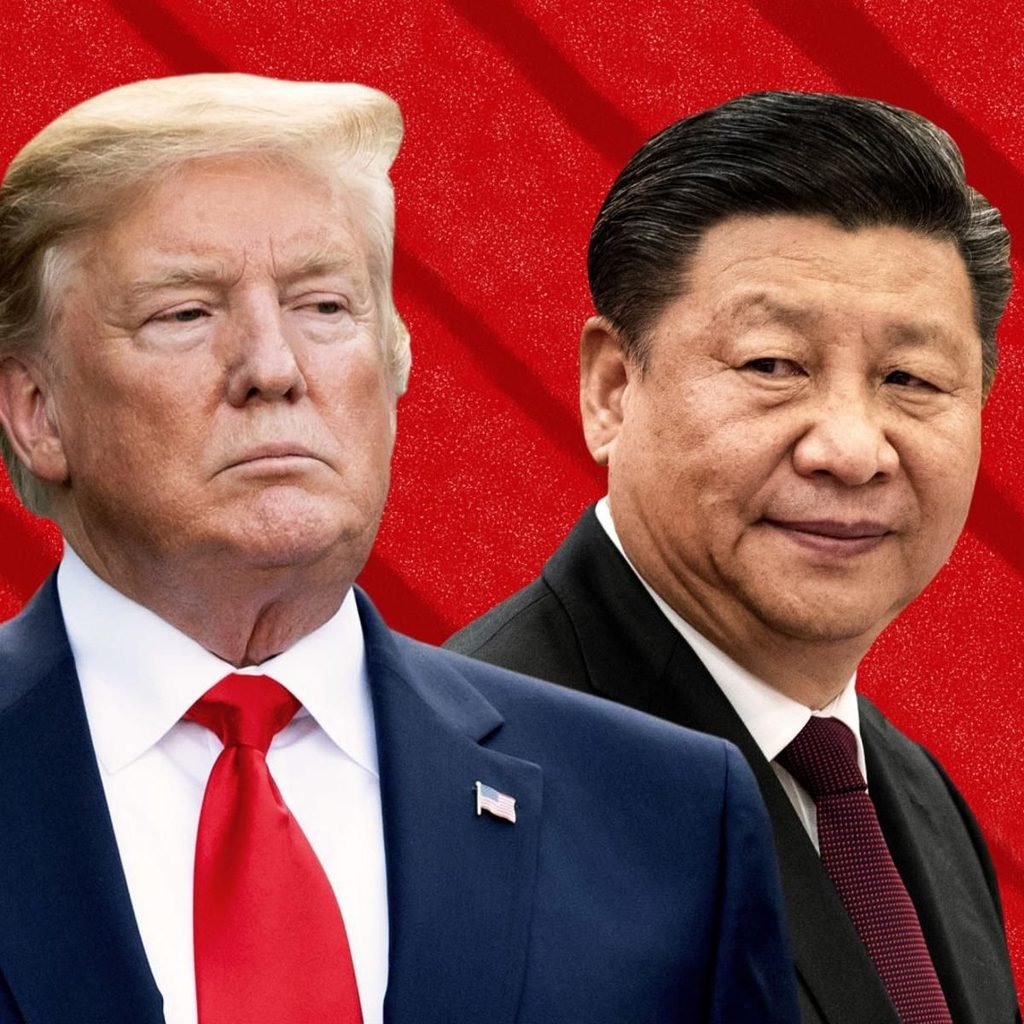
Looking ahead, three broad outcomes are plausible. The first is a modest stabilisation package—an AI dialogue that begins functioning, some reduction in specific trade frictions, and reaffirmation of military communication channels. The second is a largely symbolic success that generates positive headlines but few enforceable commitments. The third is a rapid return to friction once the summit concludes, driven by events in the Taiwan Strait, the South China Sea, or the technology domain. The most likely result lies between the first and second: enough progress to justify the meeting, insufficient progress to alter the competitive trajectory.
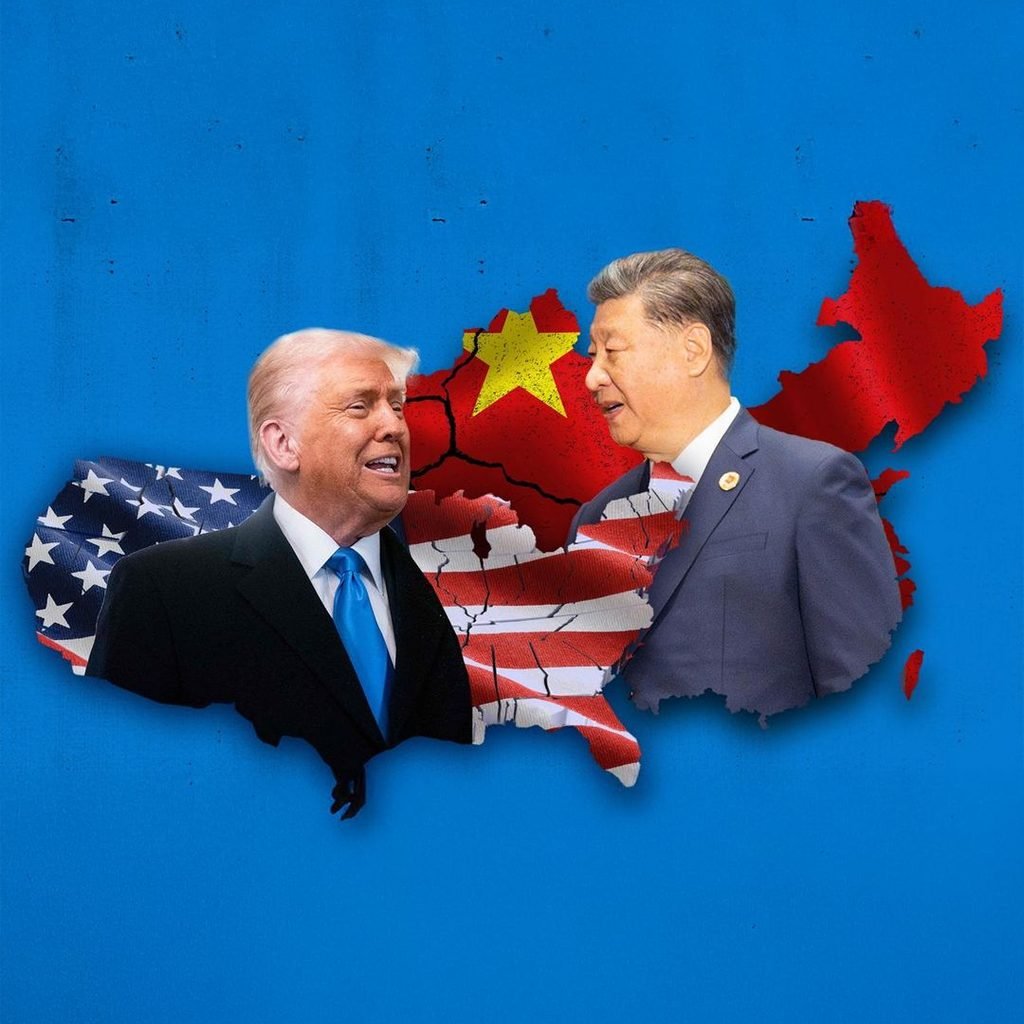
For observers in China and elsewhere, the summit should be evaluated by its practical consequences rather than its rhetoric. Does it produce working mechanisms that reduce the chance of accidental crisis? Does it create any measurable easing in technology or trade restrictions? Or does it simply provide a temporary pause before the next cycle of tension? These are the questions that matter.

In the end, the 2026 Xi–Trump meeting illustrates a durable feature of contemporary international politics. Two major powers with overlapping interests and profound differences continue to seek limited forms of coexistence. They do so not because rivalry has disappeared, but because the costs of unmanaged competition are recognised on both sides. Engagement remains a tool of statecraft. It is not a substitute for strength, nor is it evidence that the underlying contest has been resolved. The real test will come in the months after the leaders return home, when the statements have faded and the structural pressures reassert themselves.
FAQ
- When is the Xi-Trump summit expected? This week in the United States.
- What was agreed in the recent talks? An AI dialogue mechanism alongside trade discussions.
- Will Taiwan be discussed? Almost certainly in private; public language will be carefully managed.
- Can the summit reduce tensions permanently? Historical pattern suggests only temporary stabilisation.
- Why does AI matter here? It is both a competitive domain and a potential source of strategic risk requiring basic communication channels.
Author Profile
- Syed Tahir Abbas is a Master's student at Southwest University, Chongqing, specializing in international relations and sustainable development. His research focuses on U.S.-China diplomacy, global geopolitics, and the role of education in shaping international policies. Syed has contributed to academic discussions on political dynamics, economic growth, and sustainable energy, aiming to offer fresh insights into global affairs.
Latest entries
 GeopoliticsSeptember 21, 2026Xi-Trump Summit 2026: Can Managed Competition Survive the AI and Power Reality?
 GeopoliticsSeptember 7, 2026China’s New Front: Coast Guard Patrols East of Taiwan and the Quiet Expansion of Maritime Pressure in 2026
 Strategic AssessmentAugust 24, 2026The AI Choice Is Becoming Binary: Washington’s Push and Beijing’s Counter
 GeopoliticsJuly 28, 2026South China Sea Crisis Deepens: China-Philippines Standoff and the Future of Indo-Pacific Order