

Table of Contents
Myanmar, a Southeast Asian nation with a rich cultural and historical tapestry, has recently been thrust into global headlines due to a political crisis that has gripped the country since early 2021. The military coup that took place in February 2021, overthrowing the democratically elected government of Aung San Suu Kyi, has escalated tensions, resulted in widespread protests, and led to significant international condemnation.
But the situation in Myanmar is not a simple case of one political upheaval. It is deeply rooted in the country’s colonial history, its decades of military rule, and the struggles of a population caught between the forces of democracy and authoritarianism. In this blog post, we will explore the historical context of Myanmar’s political environment, the events leading up to the 2021 military coup, and the current state of affairs in the country.
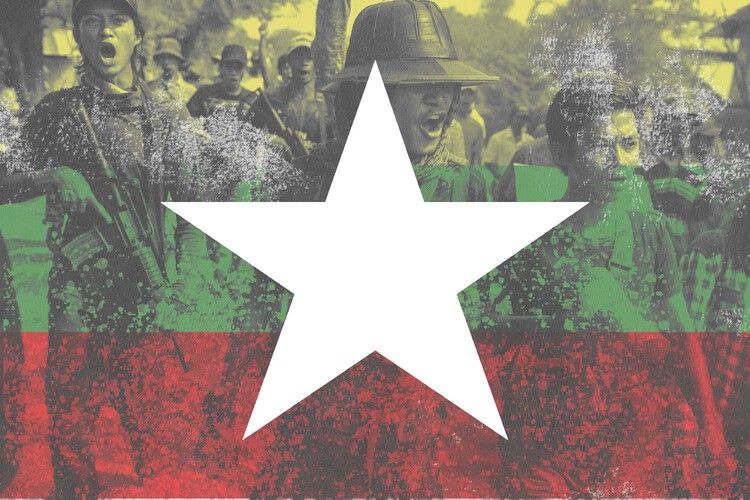
From British Colony to Military Rule
Colonial Legacy and Independence
Myanmar, known as Burma during British rule, was under British colonial control from the 19th century until it gained independence in 1948. The British introduced a divisive colonial system that pitted ethnic groups against each other and left the country with a fragile, divided political structure. This legacy of ethnic tensions and political instability would plague Myanmar for decades after independence.
The first decades of independence were marred by conflict, as the newly established government struggled to maintain control over the various ethnic groups that inhabited the country. The largest group, the Bamar (Burman), has traditionally dominated Myanmar’s politics, but there are also significant populations of ethnic minorities such as the Rohingya, Shan, Karen, and Kachin, each with their own grievances against the central government.

The 1962 Military Coup: The Birth of Military Rule
In 1962, a military coup led by General Ne Win ousted the civilian government and installed a military junta that would rule Myanmar for nearly half a century. The military’s rule was marked by harsh repression, human rights abuses, and isolation from the international community. Myanmar’s economy, once a promising agricultural hub, stagnated, and its political environment became increasingly authoritarian.
Under the guise of “Burmese socialism,” Ne Win implemented a series of economic and political reforms that crippled the economy. His regime was characterized by censorship, widespread surveillance, and the imprisonment of dissidents. The military-controlled government maintained tight control over the country, and its response to ethnic minorities seeking autonomy was often violent and discriminatory.
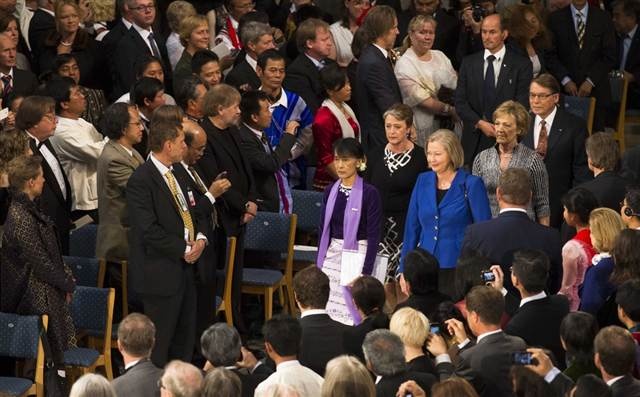
The Road to Democracy: Aung San Suu Kyi and the 2015 Election
The Role of Aung San Suu Kyi
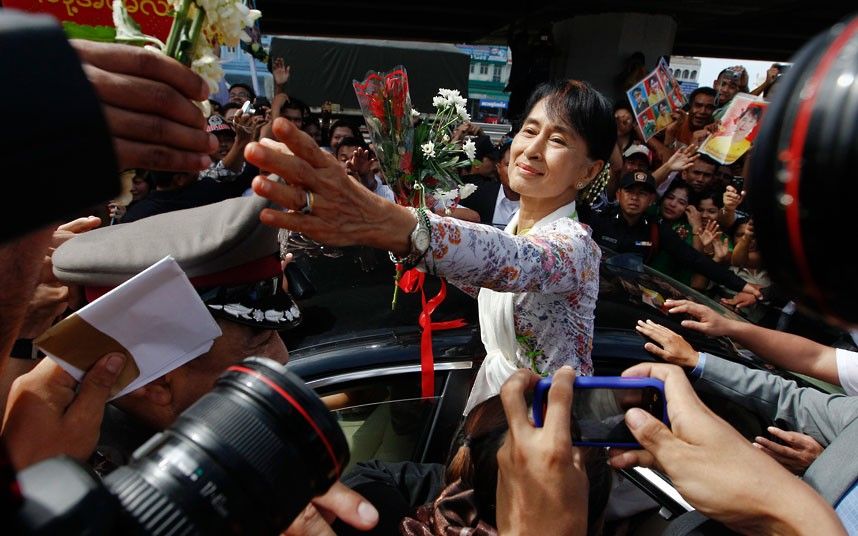
Aung San Suu Kyi, the daughter of Myanmar’s founding father General Aung San, became a global symbol of resistance to military rule. After spending years in house arrest, Suu Kyi became the leader of the opposition National League for Democracy (NLD). Her rise to prominence was framed by her commitment to non-violence and democracy, and her advocacy won her international admiration, including the Nobel Peace Prize in 1991.
Suu Kyi’s struggle against the military junta, however, was not just a political challenge; it was a personal one. The military junta repeatedly sought to undermine her authority and sidelined her efforts to bring about a peaceful and democratic Myanmar.
2010s: A Fragile Transition to Democracy
In 2011, Myanmar’s military rulers began a process of opening up the country and allowing limited political reforms. This transition was encouraged by the West, which had imposed economic sanctions on Myanmar for years due to its human rights abuses. In 2015, Myanmar held its first genuinely free elections in decades, and Aung San Suu Kyi’s NLD won a landslide victory. However, a constitutional provision barred her from becoming president, and power remained shared with the military, which maintained significant influence over key ministries and the armed forces.
Despite these constraints, Suu Kyi’s election marked a historic shift in Myanmar’s political environment. The country appeared to be on a path toward a more democratic and inclusive future.
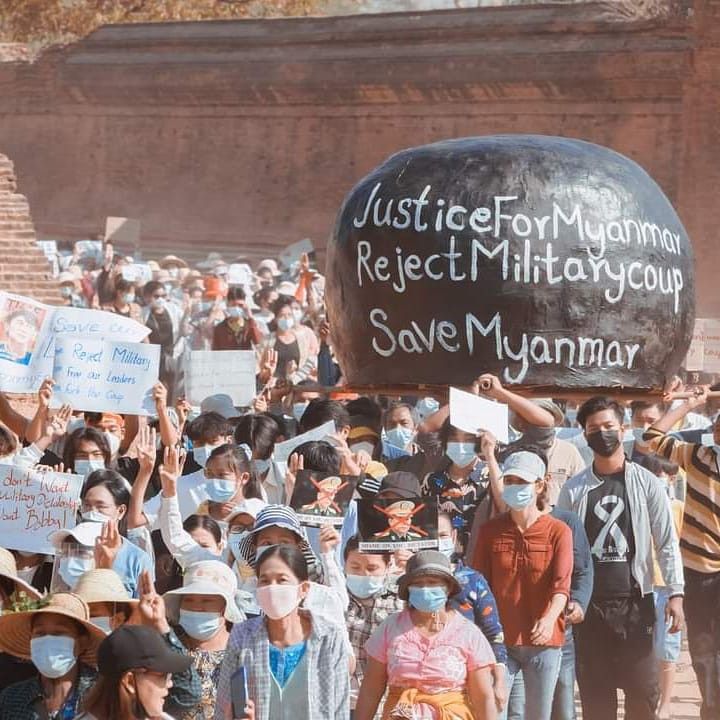
The 2021 Military Coup: A Setback for Democracy
The Coup of February 2021
On the morning of February 1, 2021, Myanmar’s military, known as the Tatmadaw, staged a coup, detaining Aung San Suu Kyi and other NLD leaders. The military claimed that the general election held in November 2020, which saw the NLD win a decisive victory, was rigged, despite no evidence of widespread fraud. The Tatmadaw declared a state of emergency for one year and promised new elections, though it quickly became clear that this was a cover for a return to military dictatorship.
The coup was a major setback for Myanmar’s fledgling democracy. In the months that followed, millions of people across the country took to the streets to protest the military regime. These protests were met with violent crackdowns, with security forces using live ammunition, rubber bullets, and tear gas to disperse crowds. According to the Assistance Association for Political Prisoners (AAPP), as of January 2026, over 1,500 people have been killed, and thousands more have been detained or disappeared.
The Spring Revolution: A Nationwide Uprising
The coup sparked what has been called the “Spring Revolution,” a mass civil disobedience movement that quickly spread across Myanmar. People from all walks of life, including government employees, medical professionals, and students, participated in strikes and protests. The military’s response has been brutal, but the resistance has shown remarkable resilience.
The formation of the National Unity Government (NUG), which is made up of ousted lawmakers and anti-coup activists, has sought to represent Myanmar’s democratically elected government in exile. While the NUG has not been able to gain significant international recognition or military power, it has brought attention to the plight of the Myanmar people and maintained a strong stance against the military junta.
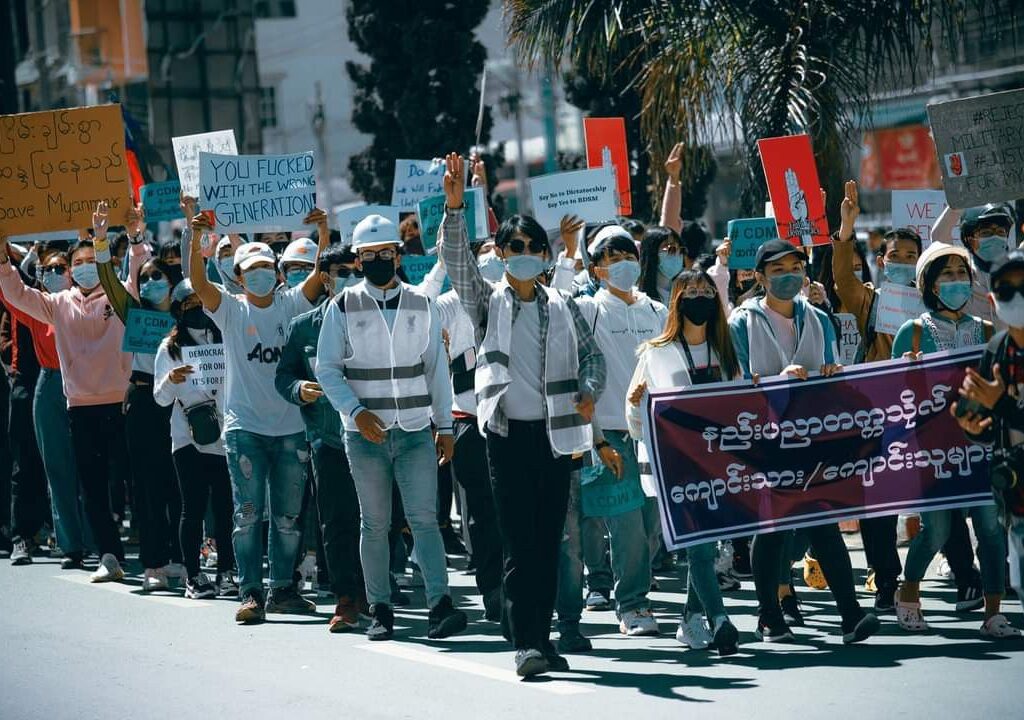
International Reactions and Sanctions
Global Condemnation
The international community has largely condemned the coup, with the United States, the European Union, and other Western nations imposing targeted sanctions on Myanmar’s military leaders and key businesses. However, geopolitical complexities, particularly the involvement of China and Russia, have prevented the United Nations from taking more decisive action. Both China and Russia have generally supported Myanmar’s military government, viewing it as a bulwark against Western influence in the region.
China, in particular, has a strong economic interest in Myanmar due to its strategic location and the China-Myanmar Economic Corridor (CMEC), a major infrastructure project that is part of China’s Belt and Road Initiative (BRI). As such, Beijing has been reluctant to criticize the military regime too strongly, while still calling for a peaceful resolution to the crisis.
ASEAN’s Limited Role
The Association of Southeast Asian Nations (ASEAN), of which Myanmar is a member, has faced significant challenges in addressing the crisis. The regional bloc has called for a cessation of violence and a peaceful solution, but it has refrained from taking stronger action, citing its principle of non-interference in member states’ internal affairs. This has led to growing criticism of ASEAN’s ineffectiveness in dealing with Myanmar’s political crisis.

The Future of Myanmar: Uncertain and Fragile
The Struggle for Democracy
As of early 2026, Myanmar remains embroiled in political turmoil, with the military junta firmly entrenched in power. The country’s political future is uncertain. While the resistance continues, the junta has shown little willingness to negotiate, and the international community has struggled to find a unified solution to the crisis.
The people of Myanmar, particularly the younger generations, have demonstrated unwavering determination in their fight for democracy, but the path to a peaceful and democratic Myanmar is fraught with challenges. The military’s control over key aspects of the economy and the state’s security forces remains a formidable obstacle to any meaningful change.
The Long Road to Peace
Myanmar’s road to lasting peace and democracy will be long and difficult. It will require not only overcoming the entrenched military leadership but also addressing the country’s deep-seated ethnic divisions and securing the inclusion of all groups in the political process. Until then, Myanmar will remain in a state of flux, caught between the hopes of democracy and the realities of military dictatorship.
Conclusion
The political crisis in Myanmar is a reminder of the fragility of democracy in countries with histories of military rule and ethnic conflict. While the road to peace may be long, the international community, along with the people of Myanmar, must continue to support the push for democracy and human rights. Myanmar’s struggle is far from over, and it remains one of the most important political stories of our time.
Author Profile

- Syed Tahir Abbas is a Master's student at Southwest University, Chongqing, specializing in international relations and sustainable development. His research focuses on U.S.-China diplomacy, global geopolitics, and the role of education in shaping international policies. Syed has contributed to academic discussions on political dynamics, economic growth, and sustainable energy, aiming to offer fresh insights into global affairs.
Latest entries
 GeopoliticsMarch 16, 2026Trump Warns NATO of a “Very Bad” Future Over Strait of Hormuz Security
 Middle East ConflictMarch 11, 2026Israel Strikes Iran and Lebanon, US Destroys Iranian Mine-Laying Ships as Tensions Escalate in the Middle East
 Middle East PoliticsMarch 9, 2026Mojtaba Khamenei Becomes Iran’s New Supreme Leader as Oil Prices Surge and Middle East War Escalates
 World PoliticsMarch 1, 2026Ayatollah Ali Khamenei: The Martyr Who Shook the World – A Criminal US-Israeli Aggression Against the Islamic Republic