
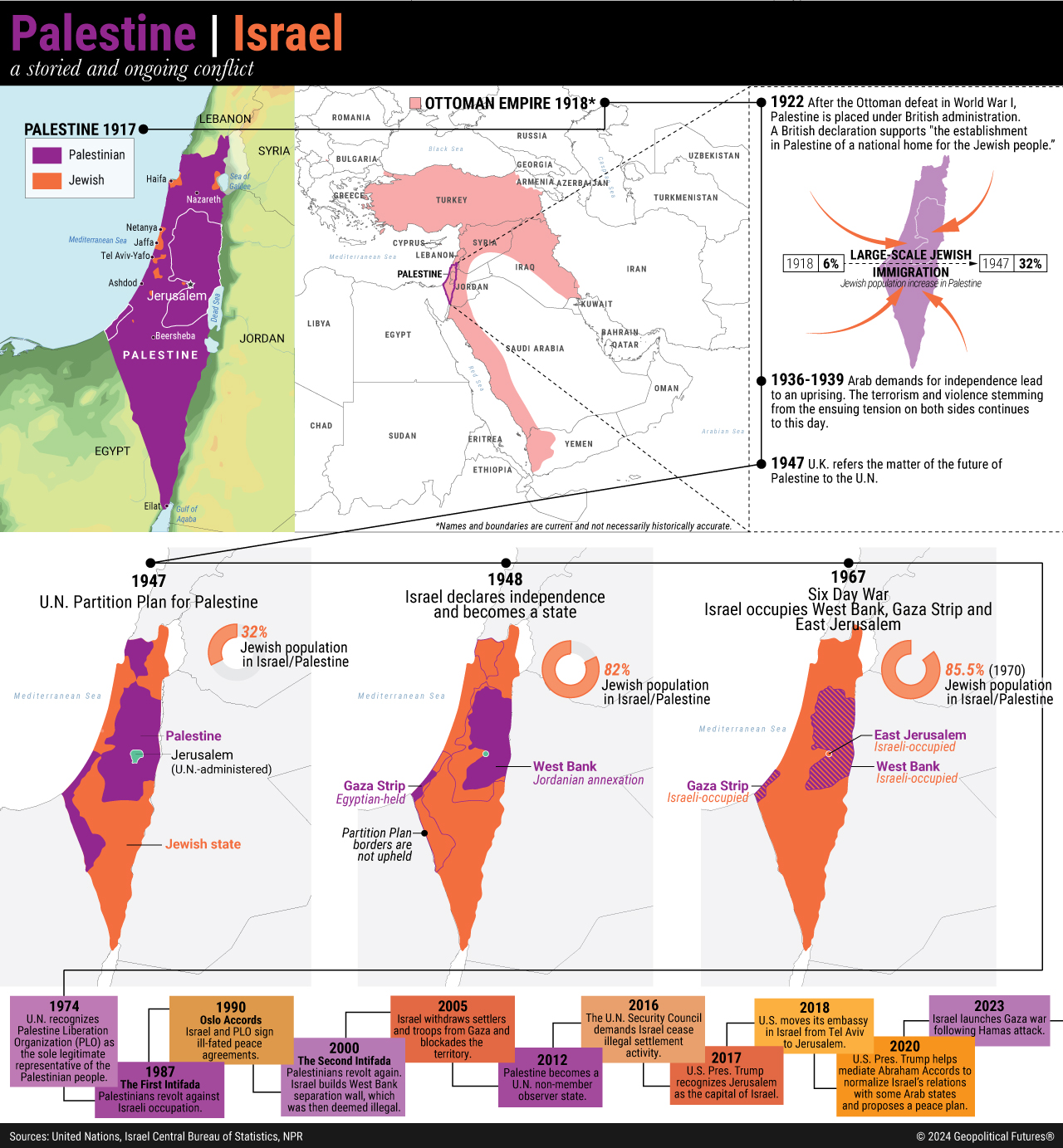
Table of Contents
As October 2025 approaches, the second anniversary of the devastating October 7, 2023, Hamas-led attack on Israel, which resulted in approximately 1,200 deaths, numerous hostages, and widespread atrocities, the conflict in Gaza shows no signs of abating. Instead, it has intensified, with reports indicating over 42,000 Palestinian deaths (as per earlier 2024 figures, with estimates suggesting higher tolls amid ongoing operations) and a humanitarian catastrophe marked by famine, mass displacement of millions, and the destruction of vast swathes of infrastructure. Israel’s military campaign, aimed at dismantling Hamas, has expanded into new operations in northern Gaza, while spillover effects, including rising global antisemitism, shifting international alliances, and intertwined regional tensions with Iran and Lebanon, are reshaping the geopolitical landscape.
This protracted war, now entering its third year, is not merely a regional dispute but a flashpoint influencing U.S.-China rivalry, European unity, and global security dynamics. From deadly internal clashes within Gaza to high-stakes diplomatic maneuvers involving former U.S. President Donald Trump, the conflict underscores the fragility of international order. In this detailed analysis, we explore the latest developments as of October 2025, the key stakeholders, the broader implications, and potential pathways toward resolution. Could this enduring crisis accelerate a multipolar world or lead to even wider escalation?

Current Developments in the Conflict: A Timeline of Escalation
The Gaza-Israel war has seen relentless military activity, with recent months witnessing a surge in operations that have further deteriorated conditions on the ground. Here’s a breakdown of key events and ongoing dynamics:
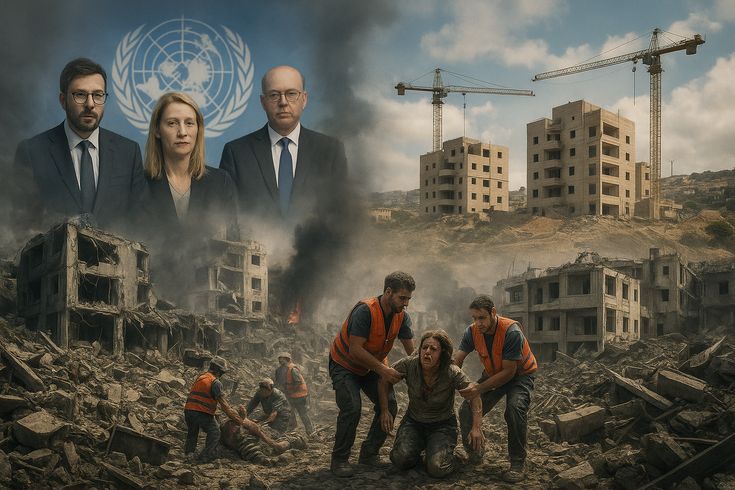
- Intensified Israeli Operations in Northern Gaza: In early October 2025, the Israeli Defense Forces (IDF) launched a major new ground and aerial campaign in northern Gaza, issuing evacuation orders to over one million civilians and declaring areas like Gaza City as active combat zones. This follows the killing of Hamas leader Yahya Sinwar in October 2024, which Israel hailed as a significant blow but which has not quelled resistance. Reports from the ground describe heavy bombardment of residential areas, with homes demolished and infrastructure targeted, exacerbating the already dire humanitarian situation where access to food, water, and medical aid is severely restricted.
- Internal Palestinian Strife and Hamas Responses: Amid the external pressure, internal divisions have erupted, including deadly fighting between Hamas forces and rival Palestinian clans in Gaza. Hamas has continued to launch rockets and engage in guerrilla warfare while responding to international proposals. Notably, in recent weeks, Hamas has addressed a peace plan floated by Donald Trump, who, in his post-2024 election capacity, issued a Sunday deadline for acceptance, threatening further consequences if rejected. However, discrepancies in the plan’s details—such as Netanyahu’s public statements varying by language—have fueled skepticism and accusations of bad faith negotiations.
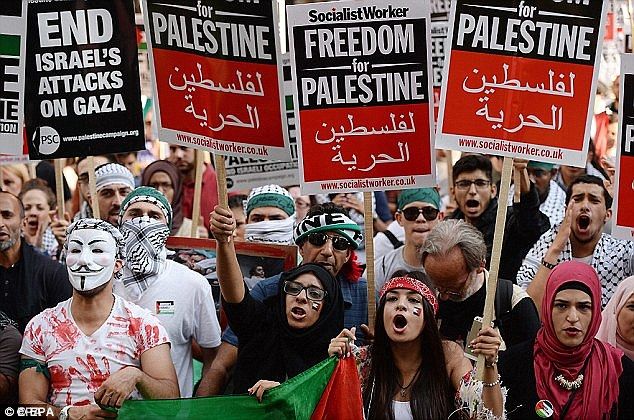
- Humanitarian and Global Spillover: The United Nations has warned of a “catastrophic” worsening in Gaza, with expanded military actions leading to rapid deterioration in aid delivery. Globally, the conflict has manifested in increased antisemitic incidents, such as attacks on synagogues in Western cities, and widespread protests demanding ceasefires. In the U.S., public opinion has shifted, with a majority opposing further military aid to Israel, influencing domestic politics and Democratic strategies away from traditional pro-Israel lobbies.
- Regional Interconnections: The war intersects with broader Middle East tensions, including Israel’s precise airstrikes on Iran and ongoing skirmishes with Hezbollah in Lebanon. Iran’s nuclear program advances have raised alarms, with potential UN sanctions looming by mid-October 2025, potentially drawing in more actors.
These developments occur against a backdrop of a year-long campaign that has left Gaza in ruins, with much of its infrastructure destroyed and its population facing unprecedented hardship.

Key Players and Their Stakes: A Web of Interests
The conflict involves a complex array of actors, each with strategic, ideological, and economic motivations:
- Israel and Hamas: Israel, under Prime Minister Benjamin Netanyahu, prioritizes security by seeking to eradicate Hamas’s military capabilities, viewing the group as an existential threat following the October 7 atrocities. Hamas, designated a terrorist organization by many nations, frames its resistance as a fight against occupation, using tunnels and asymmetric tactics to prolong the conflict and garner international sympathy amid civilian suffering. The death of Sinwar has fragmented leadership but not diminished resolve.
- United States: As Israel’s primary ally, the U.S. provides significant military aid, but internal divisions are evident. Trump’s involvement in peace proposals reflects a hawkish stance, yet public fatigue—evidenced by Pew surveys showing declining support for Israeli control over Gaza—complicates policy. Trade tariffs and perceived biases are straining relations with other allies.
- Arab and Muslim Nations: Countries like those in Southeast Asia (e.g., Indonesia, Malaysia) and the Gulf states express growing frustration with U.S. and Israeli policies, leading to a pivot toward China for economic and diplomatic alternatives. Qatar and Turkey mediate hostage talks, while Egypt manages border aid flows amid its own security concerns.
- European Union and International Bodies: The EU is considering trade sanctions on Israel due to humanitarian violations, with France voicing exclusion from postwar planning. Arms exporters like Spain advocate restrictions on supplies to Israel. The UN Security Council remains deadlocked, with permanent members’ vetoes hindering resolutions.
These players’ actions are influenced by domestic pressures, with biases in media coverage—pro-Israel in some Western outlets, pro-Palestinian in others—shaping narratives.
Broader Geopolitical Implications: From Local War to Global Risks
The Gaza-Israel conflict extends far beyond its borders, amplifying worldwide uncertainties:
- Shifting Alliances and Great Power Competition: Disillusionment with U.S. mediation is pushing Southeast Asian and Arab nations toward China, intensifying U.S.-China rivalry in trade, technology, and influence. This mirrors dynamics in Ukraine and Taiwan, where proxy conflicts test multipolar boundaries.
- Security and Extremism Threats: The war has heightened risks of terrorism, cyber attacks, and exported violence, ranking among the top 2025 global concerns. Rising antisemitism and Islamophobia fuel social divisions, while a potential Iranian escalation could involve nuclear elements.
- Economic and Humanitarian Ramifications: Supply chain disruptions affect global energy and food security, compounded by climate change in vulnerable regions. Gaza’s reconstruction could cost billions, straining international aid systems.
- Challenges to Multilateralism: UN debates highlight fractures, with calls for updated frameworks to address debris from failed diplomacy. Without reform, the conflict risks mirroring unresolved crises elsewhere.
Critics from diverse sources argue that biased reporting and political opportunism perpetuate the cycle, urging balanced approaches.
Pathways to Resolution: Diplomacy Amid Distrust
As October 2025 unfolds, prospects for peace remain elusive but not impossible. Trump’s plan, despite controversies, represents one avenue, emphasizing ceasefires, hostage releases, and reconstruction. However, eroded trust—stemming from Netanyahu’s maneuvers and Hamas’s intransigence—demands third-party mediation, perhaps via the UN or Quartet (U.S., EU, UN, Russia).
Inclusive talks involving all stakeholders, including Palestinian factions beyond Hamas, could address root causes like occupation and statehood. International pressure for arms embargoes and humanitarian corridors offers short-term relief. Ultimately, global leaders must prioritize de-escalation over strategy, lest the conflict engender a wider war.
The Gaza-Israel saga exemplifies how localized strife can globalize instability. Will 2025 mark a turning point toward cooperation, or deepen divisions?
Author Profile

- Syed Tahir Abbas is a Master's student at Southwest University, Chongqing, specializing in international relations and sustainable development. His research focuses on U.S.-China diplomacy, global geopolitics, and the role of education in shaping international policies. Syed has contributed to academic discussions on political dynamics, economic growth, and sustainable energy, aiming to offer fresh insights into global affairs.
Latest entries
 GeopoliticsMarch 16, 2026Trump Warns NATO of a “Very Bad” Future Over Strait of Hormuz Security
 Middle East ConflictMarch 11, 2026Israel Strikes Iran and Lebanon, US Destroys Iranian Mine-Laying Ships as Tensions Escalate in the Middle East
 Middle East PoliticsMarch 9, 2026Mojtaba Khamenei Becomes Iran’s New Supreme Leader as Oil Prices Surge and Middle East War Escalates
 World PoliticsMarch 1, 2026Ayatollah Ali Khamenei: The Martyr Who Shook the World – A Criminal US-Israeli Aggression Against the Islamic Republic
8 comments
Really good information can be found on blog. “I said I didn’t want to run for president. I didn’t ask you to believe me.” by Mario M Cuomo.
Does your website have a contact page? I’m having a tough time locating it but, I’d like to send you an email. I’ve got some creative ideas for your blog you might be interested in hearing. Either way, great website and I look forward to seeing it grow over time.
It’s actually a great and helpful piece of info. I am happy that you simply shared this useful information with us. Please keep us informed like this. Thanks for sharing.
Great post, I believe website owners should acquire a lot from this web site its rattling user friendly.
Saved as a favorite, I really like your blog!
This really answered my problem, thank you!
**backbiome**
Backbiome is a naturally crafted, research-backed daily supplement formulated to gently relieve back tension and soothe sciatic discomfort.
Thanks for sharing. I read many of your blog posts, cool, your blog is very good.