
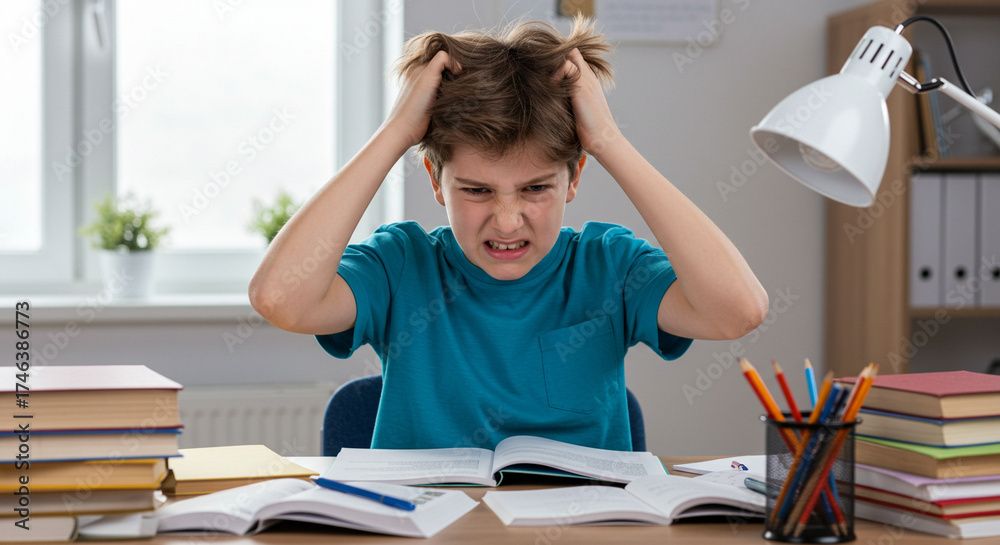
There is a particular kind of silence that almost every student knows not the calm and peaceful silence of a classroom where everyone is focused and learning, but the heavy, suffocating silence that comes from being afraid to speak. It is the silence of sitting in a classroom with a question in your mind, your hand wanting to rise, your heart wanting to ask, yet something inside you holds you back. Not because you do not know. Not because you are shy. But because you are afraid. Afraid of what a teacher might say. Afraid of the way they might look at you. Afraid that instead of being understood, you might be made to feel small in front of your classmates.
I know that silence. I have felt it. I have experienced what it means to have thoughts and questions inside you but still choose to remain quiet. But I have also, although less often, experienced the opposite kind of classroom a classroom where that fear did not exist. Where a teacher made you feel that your voice was not only accepted but actually valued. Where you realized, perhaps for the first time, what education was truly meant to feel like: a place where you are encouraged to learn, question, and grow.
This article is about both of those experiences. It is about what teachers are truly meant to be, what some teachers unfortunately become, and what all of us students and teachers alike need to understand about rights, dignity, respect, and the responsibility that comes with the power held inside every classroom.
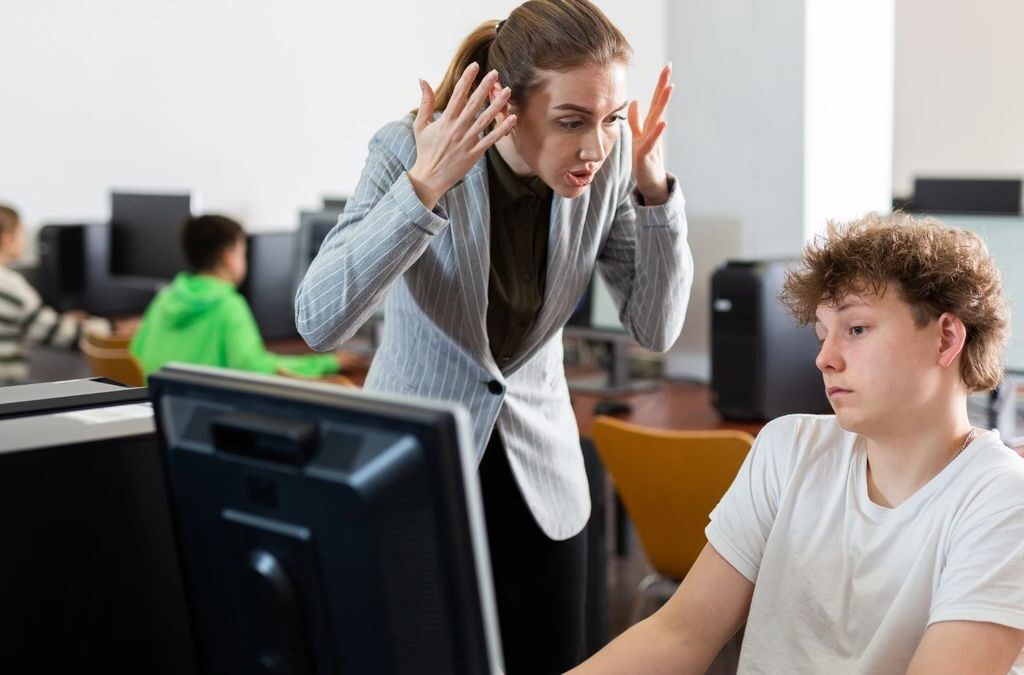
The Teacher as Guide — Not as God

We are taught from a very young age to respect and honour our teachers. In South Asian culture especially, teachers hold a deeply respected position in society. They are often compared to parents because of the role they play in shaping our minds and guiding our futures. They are given a level of trust and moral respect that is unique. And in many ways, this respect is earned and deserved. A truly great teacher can become one of the most powerful influences in a person’s life. They open doors to new ideas. They change the direction of lives. They plant seeds of knowledge and confidence that continue to grow long after the classroom experience is over.
Respect for teachers is something I genuinely believe in. It is not something I question or take lightly. Teachers deserve respect because of the responsibility they carry and the impact they can have on students. However, there is a dangerous point where this respect can sometimes be misunderstood a point where “deserving respect” slowly turns into “deserving silence.” Where being a guide turns into becoming a ruler. Where having authority turns into demanding complete submission.
And this is where we need to understand the difference between respect and fear, between guidance and control, and between authority and power.
A guide walks beside you. A guide helps you find your way, warns you when you are moving in the wrong direction, and supports you when the journey becomes difficult. A guide does not hold you back or make you afraid to move forward. A guide does not tell you that having your own thoughts or asking questions is a form of disobedience.
Yet, unfortunately, in many classrooms, this is exactly what happens. The teacher slowly stops being a guide and becomes a gatekeeper someone who controls not only knowledge and approval but even a student’s confidence and right to speak.
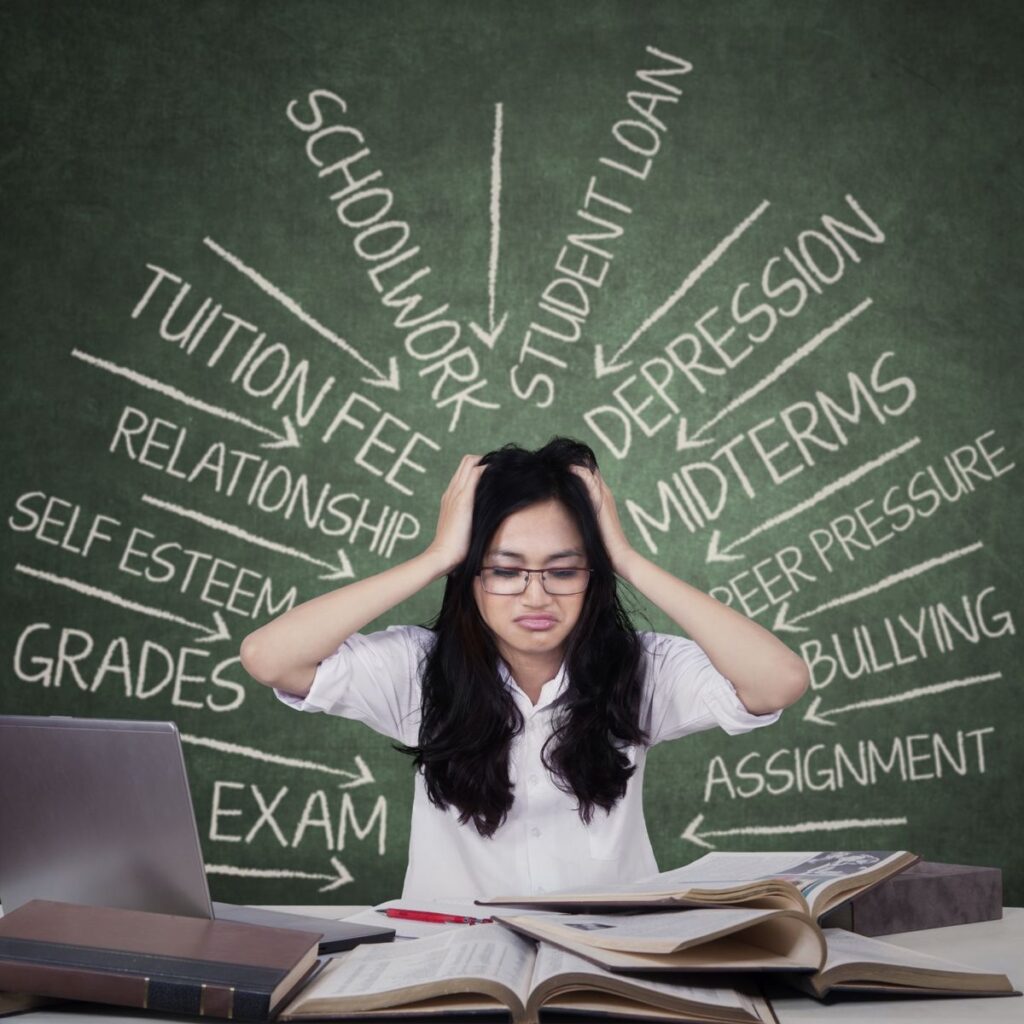
Do Students Have Rights? Let Us Say It Plainly
A student has the right to ask questions without the fear of being laughed at or made to feel embarrassed.
A student has the right to ask for clarification without being told that they are wasting everyone’s time.
A student has the right to disagree respectfully, thoughtfully, and politely without immediately being labelled as arrogant, disrespectful, or difficult.
A student has the right to make mistakes without being humiliated in front of their classmates for giving a wrong answer, missing an assignment, or asking a question that a teacher may not want to answer.
A classroom should be a place where mistakes become opportunities to learn, not moments that make students feel ashamed.
A student also has the right to understand where their marks went. This may sound like such a basic expectation that it should not even need to be explained, yet it remains one of the most common struggles students face in academic spaces.
A student receives their paper back, sees a grade lower than they expected, and naturally wants to understand what happened. They ask a simple and reasonable question: Where were my marks deducted? What did I do wrong? How can I improve?

But too often, instead of receiving an explanation, students receive a dismissal.
“I already showed everyone.”
“I cannot wait for every individual student.”
“If you had been paying attention, you would already know.”
These responses are not just disappointing; they miss the very purpose of teaching.
Feedback is not a favour given to students.
Feedback is one of the most important responsibilities of a teacher.
When a teacher checks an assignment, gives marks, or evaluates a student’s work, only half of the responsibility is completed. The other half — and perhaps the more meaningful half — is helping the student understand those marks. Students need to know where they made mistakes, why they lost marks, and what they can do differently next time.
Without this explanation, a mark becomes nothing more than a judgment.
The student only learns that their work was not good enough, but they do not learn how to make it better.
And that is not the purpose of education.
When a student requests to see their marked paper and a teacher refuses, or simply says that the paper was already shown to the whole class, the message received by the student is painful:
“Your understanding is not important.”
“Your improvement is not my responsibility.”
“The grade has already been given, and what you learn from it is your problem.”
But education cannot work this way.
Education is not only about giving grades and completing formalities.
Education is about helping students understand, improve, and grow.
When the focus becomes only on completing a task instead of supporting a student’s learning, education loses its true purpose.
It becomes a system of procedures instead of a process of growth.
It becomes bureaucracy wearing the appearance of education.
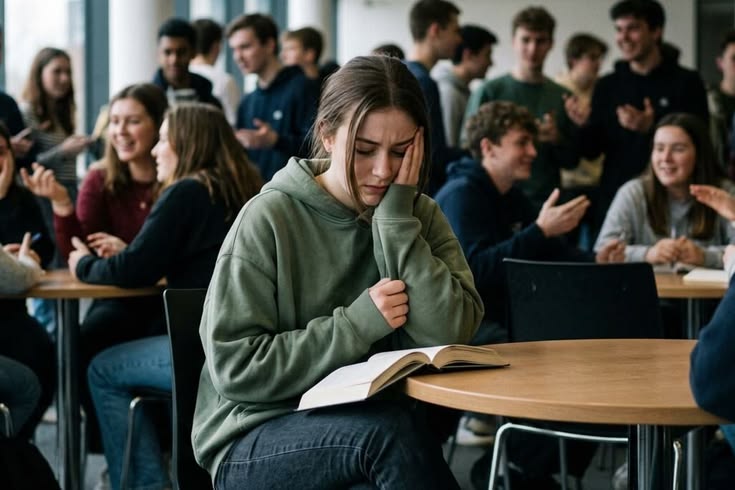
Favoritism: The Silent Poison
Of all the ways a teacher can unintentionally hurt their students, favoritism may be one of the most damaging because it often happens quietly and is rarely accepted or openly discussed. It exists in front of everyone, yet when a student tries to talk about it, they are often dismissed. They are told they are being sensitive, they are complaining, they are jealous, or perhaps they simply are not good enough.
But every student who has experienced favoritism knows exactly what it feels like.
It is watching one student always receive understanding and another student constantly being judged.
It is seeing one person’s mistakes being ignored while another person’s smallest mistakes are highlighted.
It is watching an assignment receive warm, encouraging feedback when submitted by one student, but receive harsh and discouraging comments when submitted by another.
It is being called “talented,” “bright,” and “promising” when a teacher personally likes you, while feeling invisible or quietly discouraged when they do not.
It is watching a teacher build some students’ confidence in front of the entire class while, sometimes unknowingly, making others feel less important.
Favoritism damages something very important inside a classroom: the belief that hard work truly matters.
Because students work hard when they believe their efforts will be seen and valued.
But what happens when students start feeling that the outcome is already decided by how a teacher feels about them rather than by their effort?
Why should a student continue giving their best if their contribution seems invisible to the person who is supposed to recognize it?
And perhaps the deepest damage is this: why should students trust people in positions of authority if their earliest experiences with authority teach them that power can become personal instead of fair?
I have witnessed favoritism in classrooms. I have felt its presence. And I have seen students — intelligent, hardworking, and full of curiosity slowly become quiet because somewhere inside they understood that they were not the preferred ones.
They started believing that no matter how much effort they put in, some teachers had already decided who deserved attention and who did not.
And that feeling can stay with a student for a very long time.
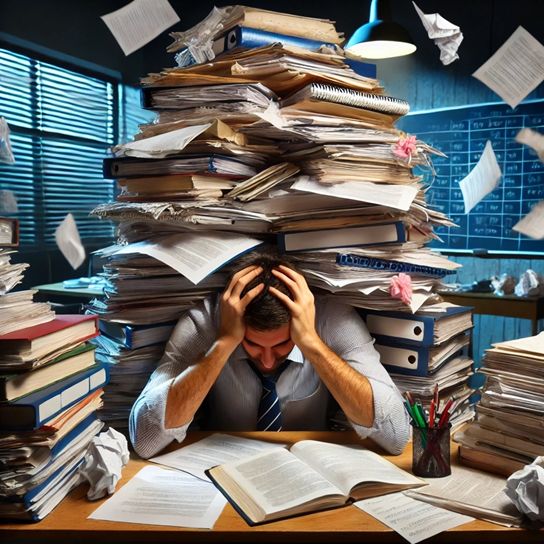
The Contradiction That Wounds: When Teachers Do Not Follow Their Own Words
There is a very particular kind of disappointment that comes from a teacher who says one thing but does another.
The teacher who teaches students about respect, fairness, and the importance of listening, but then fails to show those same qualities when dealing with students.
We have all come across this kind of situation.
The teacher who gives a powerful lecture about not judging others, but then makes fun of a student’s grammar in front of the whole class.
The teacher who says that questions are an important part of learning, but then reacts with frustration when a student actually asks one.
The teacher who expects students to follow certain standards of behaviour but does not hold themselves to those same standards.
These contradictions may appear small to some people, but for students, they can leave a deep impact.
Students are still developing their understanding of the world. They are learning not only from textbooks but also from the people around them.
When a person with authority fails to follow the values they teach, students receive a painful message.
They begin to feel that words are only words.
That values are only expected from those who have less power.
That people with authority can say whatever they want and behave however they choose.
And when students find the courage to point this out — when they say, “But you told us this…” — the response is often not understanding or self-reflection.
Instead, they are reminded of the power difference.
They are reminded of who has authority.
They are taught, indirectly, that students can be questioned, but teachers cannot.
That responsibility moves only downward, never upward.

When Silence Becomes a Wound — And Then a Weapon
There is something we do not discuss enough: when students are forced into silence in situations where they experience unfairness, we are not creating respectful and confident individuals.
We are creating people who learn that speaking up is dangerous.
People who learn that authority must always be accepted, even when it causes harm.
People who learn that the safest response to being hurt is to remain quiet and carry the pain alone.
And these experiences do not simply disappear.
A student who is repeatedly humiliated in a classroom does not just forget it after leaving the room.
Slowly, they begin connecting the classroom with fear instead of growth.
They begin feeling that their place in an educational environment is conditional — that they belong only when they remain silent and never challenge anything.
Some students slowly withdraw.
They answer fewer questions.
They participate less.
They stop sharing their ideas.
They begin caring less, not because they lack ability, but because they no longer feel valued.
Others withdraw completely, and society often calls it a personal choice, as if nothing pushed them away from that environment.
Educational systems around the world spend years trying to understand why students lose interest, why they leave, and why they stop engaging.
And part of the answer is often present in classrooms every day.
Students leave when they feel they do not belong.
They leave when the place that was supposed to support their growth becomes the place where their confidence is repeatedly damaged.
And then those students grow up.
Some of them become teachers themselves.
And sometimes, without even realizing it, they repeat the same patterns they experienced.
Not always because they want to hurt others, but because this is the behaviour they were shown.
Control.
Silence.
Hierarchy.
Humiliation.
These become their understanding of what a classroom looks like.
And that is how the cycle continues from one generation to another, inside classrooms where learning should have been built on respect, understanding, and humanity.
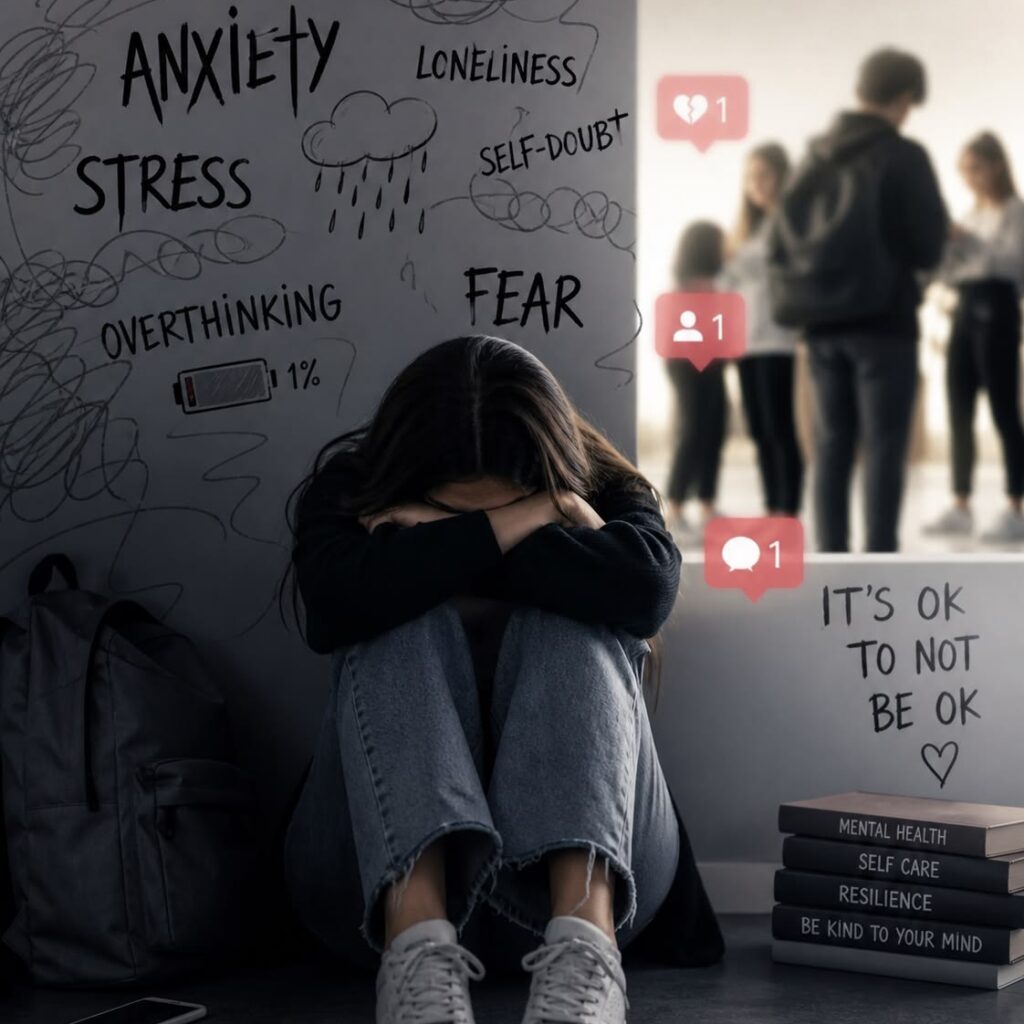
What a Good Teacher Actually Looks Like
In the middle of all these experiences, there are still exceptions. There are teachers who remind us that things can be different. And those teachers matter deeply not because they erase all the problems that exist, but because they prove that another way of teaching is possible. They show us that classrooms do not have to be places of fear, silence, or pressure. They show us that education can also be built on understanding, encouragement, and respect.
A good teacher is not someone who is always easy on students or someone who simply agrees with everything they do. A good teacher challenges you. They encourage you to step outside your comfort zone. They push you to improve and expect you to give your best because they see potential in you. They do not accept work that does not represent your abilities, but they do it in a way that makes you feel supported rather than discouraged. Their message is not, “You are not good enough.” Their message is, “I know you are capable of more, and I am here to help you reach that level.”
A good teacher explains where marks were deducted not because students demand justification, but because they understand that learning happens through understanding mistakes. They return assignments with feedback that is clear, honest, and helpful. They do not only point out what went wrong; they guide students on how to improve. They make time for students who are struggling to understand something, not because they have unlimited patience or endless time, but because they remember the true purpose of being in that classroom: the student’s growth, not simply the teacher’s convenience.
A good teacher does not play favorites. They may naturally connect more easily with some students than others and that is completely human. Every teacher may have students whose personalities match their own more naturally. But a good teacher does not allow those personal connections to influence how they evaluate, appreciate, support, or treat their students. They understand that every student deserves fairness, regardless of personal preferences. They are fair above everything else. And when they make a mistake, they are willing to listen, accept it, and improve.
I have been fortunate enough to experience such a teacher. Dr. Aftab Ahmed Khan whose way of understanding and treating students has become the standard by which I now measure true teaching represents exactly this kind of educator. He does not simply show respect for students through words; he genuinely practices it through his actions. He does not just say that students are allowed to ask questions; he creates an environment where students actually feel comfortable asking more. He does not see students as a group that needs to be controlled or managed. He sees them as individuals with their own thoughts, abilities, struggles, and perspectives that deserve attention.
What makes him exceptional is not some extraordinary talent or a mysterious quality that only a few teachers possess. What makes him different is consistency. It is the simple but powerful habit of entering every classroom while remembering that the students sitting in front of him are human beings before they are students. That their understanding matters. That their questions matter. That their dignity is something that should never be compromised.
In a teaching environment where such understanding is sometimes uncommon, this consistency becomes something truly noticeable. Not because respect and empathy should be rare qualities in teachers, but because every student deserves to experience them.

My Experience: The Best and the Worst of It
I want to be honest about what my own experience has been like because I believe personal experiences matter in conversations like this. These are not just theories or ideas that I have observed from a distance. These are real memories, real feelings, and experiences that have shaped the way I see education and the relationship between teachers and students.
I have sat in classrooms where I genuinely felt seen and understood. Classrooms where a teacher looked beyond the appearance of my work and focused on the thoughts and effort behind it. Where I asked questions and received answers without frustration, without the tired sigh, and without the expression that made me feel like I should already know everything.
Those classrooms changed the way I looked at myself as a learner. They encouraged me to explore more, read more, write more, and think more deeply. They helped me recognize my own abilities because someone else believed those abilities were worth discovering.
And I have also experienced classrooms where the opposite happened.
I have submitted work that I had spent real effort on and received it back with a grade that felt unclear and unexplained. When I tried to ask politely, not to argue but genuinely to understand, I was told that the papers had already been discussed in class and that giving individual explanations was not the teacher’s responsibility.
I have experienced situations where some students received detailed feedback, encouragement, and guidance, while others, including myself, received only a number on a page with no explanation of how to improve.
I have been in classrooms where a teacher said something to a student, something harsh, something painful, something that stayed in the air like a heavy weight and everyone became silent. Every student sat still, quietly relieved that it was not their turn.
And in that moment, everyone learned the same lesson:
Do not attract attention.
Do not speak.
Do not ask too many questions.
Keep your head down and simply survive.
Those experiences did not make me stronger in some simple or beautiful way. They did not immediately turn into a lesson that made everything better. Instead, they made me more careful. They made me think twice before expressing myself in academic spaces. They made me measure how much of myself I could openly share and how much I needed to keep inside.
And I know this experience is not mine alone.
There are many students who carry the weight of similar experiences. Students who slowly lose their confidence. Students who stop participating, not because they lack intelligence or ability, but because they no longer feel that their voice is welcomed.
There are students who eventually step away from education completely because, at some point, they decide that the emotional cost of staying has become too heavy.

What We Actually Need
We do not need classrooms without rules, structure, or discipline. We do not need students who cannot accept correction or feedback. A healthy relationship between teachers and students is built on mutual responsibility and respect.
Students have responsibilities toward their teachers. They owe their teachers effort, commitment, attention, and respect. These things are important. They are necessary for a successful learning environment.
But teachers have responsibilities toward their students as well.
They owe students fair and transparent assessment. They owe them an explanation of where marks were lost and guidance on how to improve next time because without understanding their mistakes, a grade is not feedback. It becomes only a final judgment with no opportunity for growth.
Teachers owe students a classroom where questions feel safe. They owe them an environment free from humiliation, favoritism, and the painful experience of feeling worthless in a place that was supposed to build their confidence.
We need teachers who understand that a student asking about their marks is not being difficult.
That student is doing exactly what education should encourage.
They are thinking critically.
They are trying to understand.
They care enough about their learning to ask questions.
Such a student does not deserve to be ignored. They deserve an explanation.
We need teachers who do not silence students through fear and then wonder why students no longer participate.
We need teachers who practice what they teach not because teachers must be perfect, but because they must be honest and willing to reflect.

Teachers who can sometimes say:
“I did not handle that situation well.”
“You are right to ask this question.”
“Let me explain it properly.”
These words do not reduce a teacher’s authority.
They strengthen it.
Because true authority is not built on fear.
It is built on trust.
Teachers must remember that the authority they hold is not a reward or a privilege to control others. It is a responsibility to guide, support, and protect the learning environment.
Among a hundred teachers, there may be only a few who truly understand all of this. The ones who make students feel that their minds are welcome, their questions matter, and their dignity is safe.
But this should not be rare.
We need to change this reality not only for students, although that alone would be enough reason, but because the alternative creates a generation that learns the wrong lesson.
A generation that learns power gives permission to hurt others.
A generation that learns silence is safer than speaking against unfairness.
We have already learned that lesson for too long.
It is time to teach something different. It is time to create classrooms where respect is mutual, where questions are welcomed, and where every student feels that their voice matters.
Author Profile

- I'm Farhat Sakeena, a certified English language teacher and proofreader with a BS Hons in English Language and Literature from Govt College University Faisalabad. Holding a 120-hour TEFL certification from World TESOL Academy, I've honed my skills in teaching English online and providing high-quality proofreading services. As a dedicated freelancer, I help students and professionals improve their language skills and refine their writing.
Latest entries
 EducationJune 30, 2026The Classroom We Never Chose: A Student’s Right to Dignity
 Academic FreedomMay 10, 2026When Friends Become Strangers: The Silent Heartbreak of Losing Connections
 UncategorizedMay 5, 2026Rising Petrol Prices in Pakistan: A Burden People Can No Longer Ignore
 Religion & SpiritualityMarch 2, 2026Stand for Truth: Living Like Ali, Dying Like Hussain
