
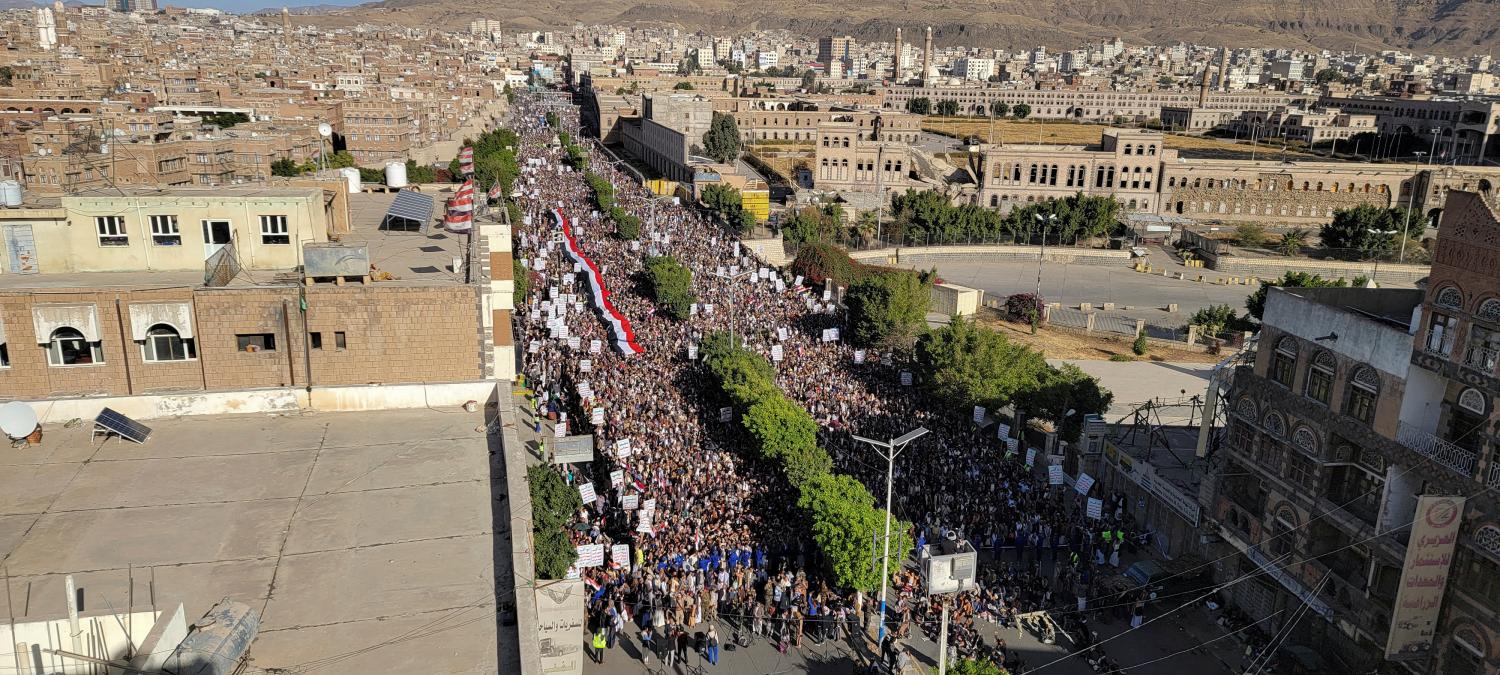
As of March 15, 2025, Yemen continues to grapple with a multifaceted crisis characterized by ongoing conflict, humanitarian emergencies, and recent escalations involving international actors.
Recent Escalations: U.S. Airstrikes Target Houthi Rebels
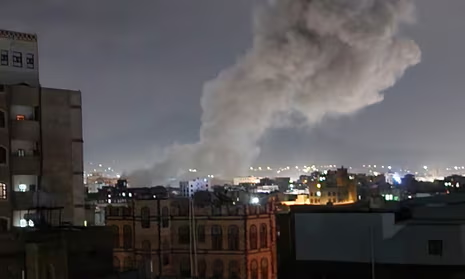
On March 15, 2025, President Donald Trump ordered a series of airstrikes against Iran-backed Houthi rebels in Yemen. This decisive military action aims to protect American shipping interests in vital maritime corridors and restore navigational freedom in the Red Sea. The strikes targeted rebel bases, leadership figures, and missile defenses, resulting in multiple explosions in provinces such as Sanaa and Saada. Reports indicate at least 18 civilian casualties and 24 injuries. President Trump has explicitly warned Iran to cease its support for the Houthis, holding Tehran accountable for the rebels’ actions.
Humanitarian Crisis: A Dire Situation

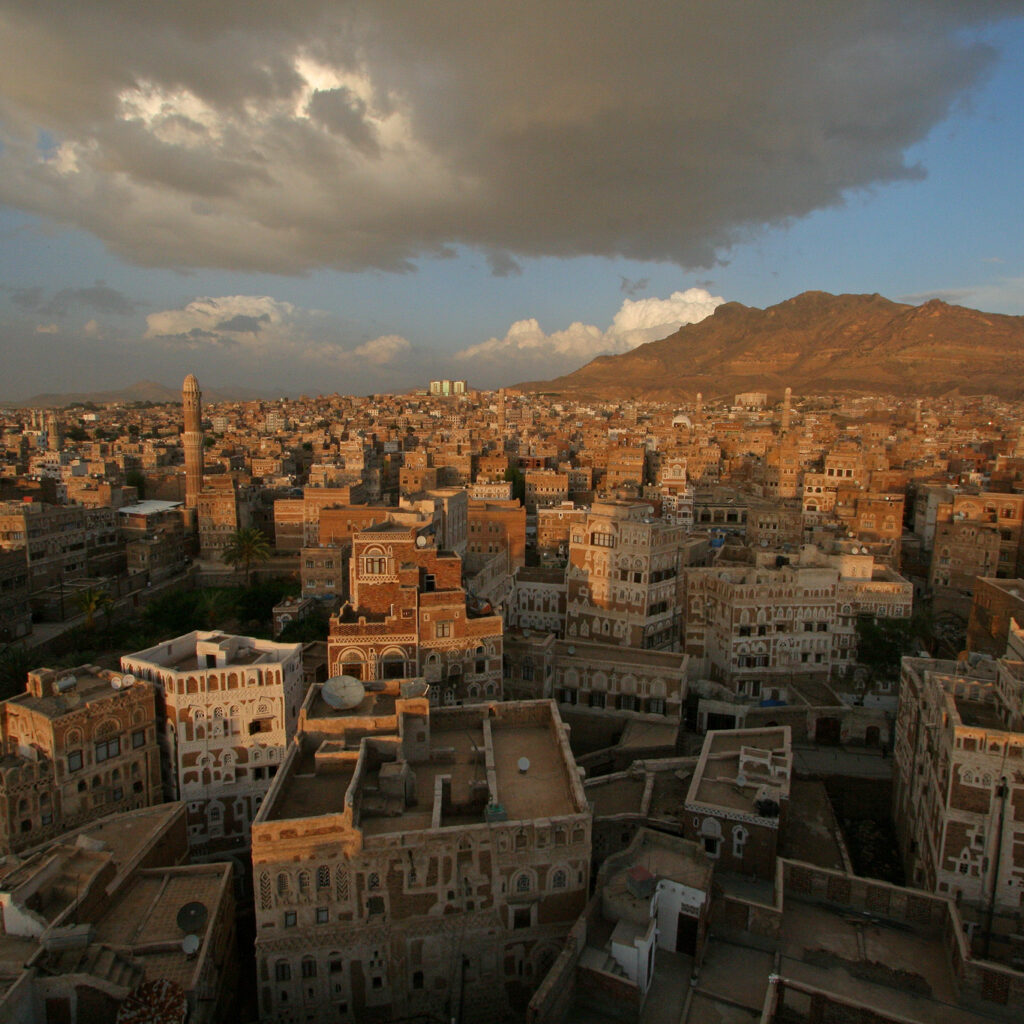
Yemen’s humanitarian crisis remains one of the most severe globally. Approximately 21.6 million people, two-thirds of the population, are in dire need of assistance and protection services. The conflict has displaced over 4.5 million individuals, with many experiencing multiple displacements over the years. Food insecurity is rampant, with millions facing acute hunger and malnutrition. The healthcare system is fragile, struggling to cope with recurrent disease outbreaks and the needs of the population.
Impact on Civilians: Landmines and Displacement
The prolonged conflict has left a deadly legacy of landmines, particularly in regions like Marib province. These hidden dangers pose significant risks to civilians, including camel herders who rely on grazing lands for their livelihoods. Despite no major escalations in recent years, landmines continue to cause injuries and fatalities, hindering access to essential resources and displacing communities.
International Response and Aid Efforts
International organizations, including the United Nations and various non-governmental organizations, are actively engaged in providing humanitarian assistance. Efforts focus on delivering food, healthcare, clean water, and sanitation services to the affected populations. However, challenges such as access restrictions, security concerns, and funding shortfalls impede the effectiveness of these interventions.
Conclusion
Yemen’s situation as of March 15, 2025, is a complex interplay of ongoing conflict, humanitarian needs, and geopolitical tensions. The recent U.S. airstrikes against Houthi rebels underscore the fragile security environment and the potential for further escalation. Addressing Yemen’s challenges requires sustained international attention, robust humanitarian support, and concerted efforts toward a peaceful resolution to the enduring conflict.
Note: The information presented is based on available data as of March 15, 2025. The situation in Yemen is dynamic, and developments may have occurred since this writing.
Author Profile

- Syed Tahir Abbas is a Master's student at Southwest University, Chongqing, specializing in international relations and sustainable development. His research focuses on U.S.-China diplomacy, global geopolitics, and the role of education in shaping international policies. Syed has contributed to academic discussions on political dynamics, economic growth, and sustainable energy, aiming to offer fresh insights into global affairs.
Latest entries
 GeopoliticsMarch 29, 2026China’s Maritime Militia in the South China Sea – Record Deployment, Fishing Realities, or Strategic Gray-Zone Tactics?
 GeopoliticsMarch 16, 2026Trump Warns NATO of a “Very Bad” Future Over Strait of Hormuz Security
 Middle East ConflictMarch 11, 2026Israel Strikes Iran and Lebanon, US Destroys Iranian Mine-Laying Ships as Tensions Escalate in the Middle East
 Middle East PoliticsMarch 9, 2026Mojtaba Khamenei Becomes Iran’s New Supreme Leader as Oil Prices Surge and Middle East War Escalates
2 comments
I love it when people come together and share opinions, great blog, keep it up.
I don’t think the title of your article matches the content lol. Just kidding, mainly because I had some doubts after reading the article.