
Table of Contents
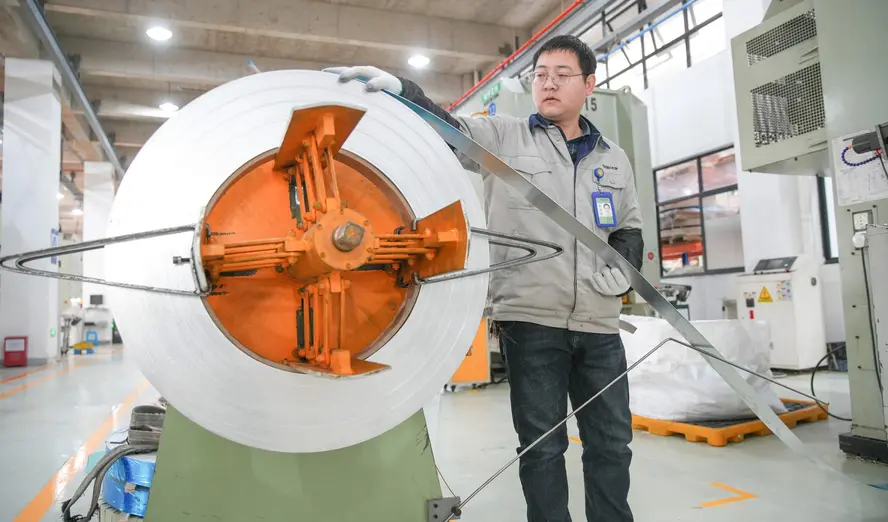
In today’s rapidly evolving energy landscape, electric vehicles (EVs), batteries, wind turbines, and solar panels (PV) are more than just mechanical assets. These technologies have become smart, connected systems that rely heavily on both hardware and software integration to function efficiently, safely, and reliably. However, this connectivity creates new vulnerabilities—and the risks associated with these systems can pose significant national security threats.
China’s dominance in battery technology and its control over the software embedded in these systems raise red flags for countries dependent on foreign energy technology. Understanding these risks and addressing them proactively is essential for safeguarding both energy infrastructure and national security.
The Role of Hardware and Software Integration in Energy Systems
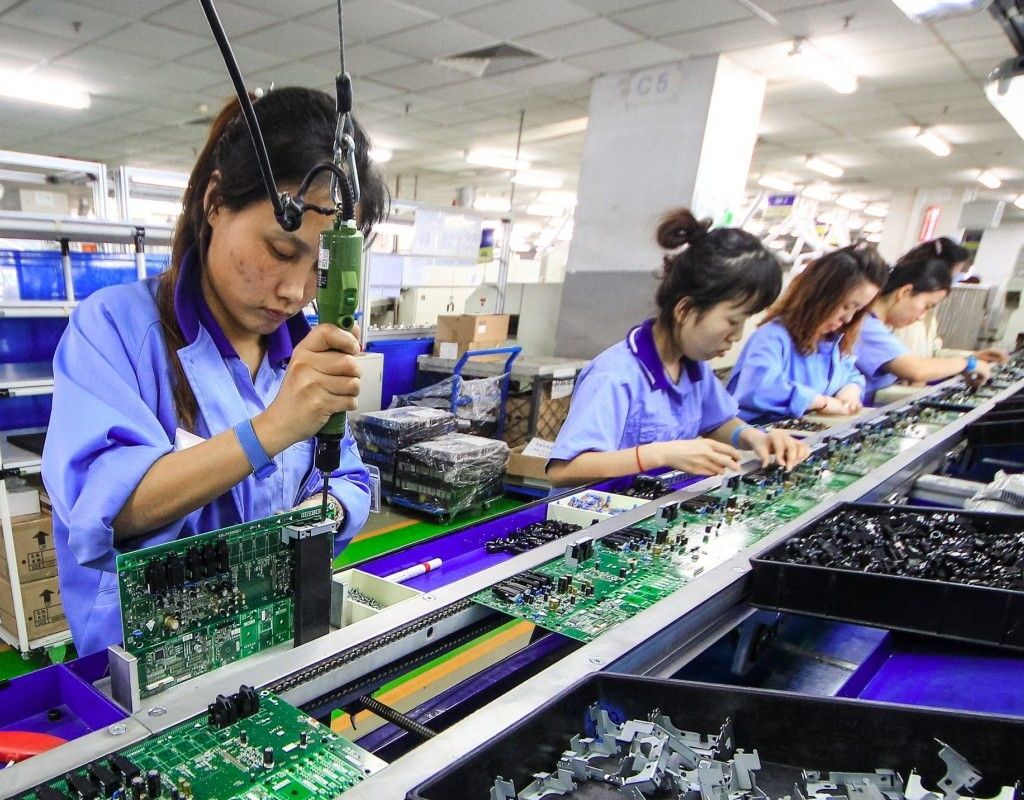
In the past, hardware was developed first, followed by software. Today, energy systems like EV batteries, wind turbines, and solar panels are co-designed—hardware and software are integrated from the beginning to ensure optimal performance.
Take EV batteries as an example. The Battery Management System (BMS), which combines sensors and embedded software, plays a critical role in ensuring the battery’s longevity, preventing overheating, and optimizing charging speed. Without precise algorithms and the right sensing capabilities, the risks of failures—such as overheating, short circuits, or even explosions—are much higher.

As Chinese companies like CATL and BYD lead the charge in battery production, they’re not just selling physical cells; they are also providing the software that governs how these batteries function. This integration between hardware and software is crucial for maximizing efficiency, predictive maintenance, and safety.
National Security Risks of Connected Energy Systems
While the integration of smart, connected systems offers numerous benefits, it also raises several national security concerns:
- Operational Dependence: Many energy systems depend on firmware updates, diagnostic tools, and remote performance tuning. If tensions between nations rise, these updates could be withheld, leaving countries vulnerable.
- Data Sovereignty: These systems collect sensitive data such as charging patterns, temperature profiles, and even location data. If this information is processed or stored outside the country, it raises privacy and security concerns.
- Cybersecurity Threats: With proprietary code embedded in many of these systems, security vulnerabilities may go unnoticed, creating potential attack vectors that could compromise critical infrastructure like grid-connected storage or EV fleets.
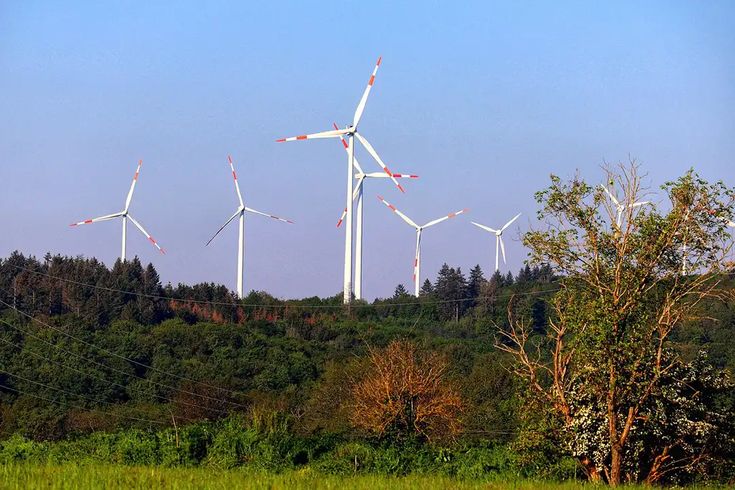
As countries adopt Chinese-made batteries and renewable technologies, they are not merely importing physical components—they are importing systems that are controlled by foreign algorithms. This presents a new type of supply chain risk: one that revolves around software, firmware, and the potential for remote control
The Expanding Attack Surface: Cybersecurity in the Age of Connected Energy
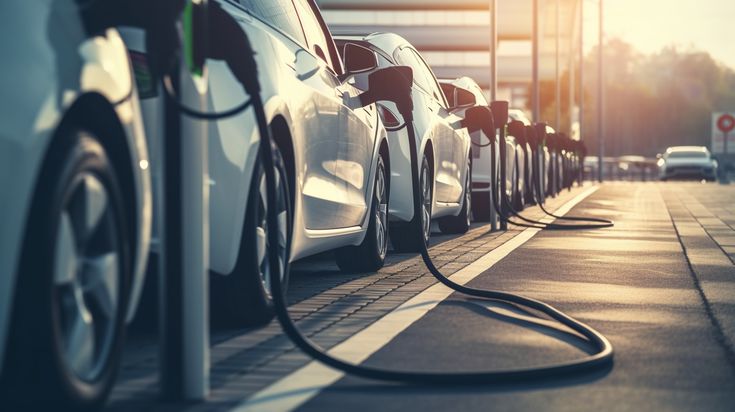
The risks associated with connected energy systems go beyond data breaches—they also extend to cyberattacks that can disrupt national energy systems. In recent years, several incidents have illustrated how vulnerable energy infrastructure can be to cyber threats. The U.S. Department of Energy and National Institute of Standards and Technology (NIST) have published guidance on securing connected energy resources, but vulnerabilities remain, especially in areas like remote access, authentication, and cloud security.
For instance, a denial-of-service attack in 2023 disabled visibility across several wind and solar sites, while ransomware attacks have targeted wind OEMs, disrupting operations and maintenance. While these attacks didn’t directly impact energy generation, they impeded monitoring and response, creating a strategic vulnerability for energy systems.
Managing the Risks: A Proactive Approach to Energy Security
The key to managing the risks associated with connected energy systems lies in governing interdependence on the host country’s terms. While it is unrealistic to sever ties with Chinese technology altogether, countries must ensure that foreign energy systems meet security baselines and that remote access to critical functions is restricted according to national policies.
To manage these risks effectively:
- Demand security certifications from vendors (including Chinese manufacturers).
- Limit remote control over essential functions, ensuring that domestic policies govern these systems, not vendor settings.
- Store sensitive data within the country and enforce strong cybersecurity protocols to protect against attacks.
- Regularly test and update energy systems to ensure that they remain secure from evolving threats.
Countries that take these steps will not only protect themselves from worst-case scenarios but will also harness the full potential of integrated, software-defined energy systems—which offer improved efficiency, longer asset lifespans, and faster innovation.

Conclusion: Treat Connected Energy Systems as Part of National Security Architecture
The energy transition is one of the most important global challenges of our time, and connected energy systems play a pivotal role in this transformation. However, as these systems become more complex and integrated, their security implications cannot be ignored.
Policymakers must recognize that the future of energy security hinges not only on access to raw materials like lithium or graphite, but also on control over software and firmware that govern these systems. This new paradigm requires digital sovereignty, ensuring that countries have control over their own energy infrastructure.
Incorporating stringent procurement rules, investing in cybersecurity training, and ensuring that security protocols are in place will safeguard both national energy systems and economic stability.
It’s time for policymakers to treat connected energy systems as part of national security architecture and to legislate, procure, and invest accordingly.
Author Profile

- Syed Tahir Abbas is a Master's student at Southwest University, Chongqing, specializing in international relations and sustainable development. His research focuses on U.S.-China diplomacy, global geopolitics, and the role of education in shaping international policies. Syed has contributed to academic discussions on political dynamics, economic growth, and sustainable energy, aiming to offer fresh insights into global affairs.
Latest entries
 GeopoliticsMarch 16, 2026Trump Warns NATO of a “Very Bad” Future Over Strait of Hormuz Security
 Middle East ConflictMarch 11, 2026Israel Strikes Iran and Lebanon, US Destroys Iranian Mine-Laying Ships as Tensions Escalate in the Middle East
 Middle East PoliticsMarch 9, 2026Mojtaba Khamenei Becomes Iran’s New Supreme Leader as Oil Prices Surge and Middle East War Escalates
 World PoliticsMarch 1, 2026Ayatollah Ali Khamenei: The Martyr Who Shook the World – A Criminal US-Israeli Aggression Against the Islamic Republic
6 comments
**prostafense**
ProstAfense is a premium, doctor-crafted supplement formulated to maintain optimal prostate function, enhance urinary performance, and support overall male wellness.
**neurosharp**
Neuro Sharp is a modern brain-support supplement created to help you think clearly, stay focused, and feel mentally confident throughout the day.
**nerve calm**
NerveCalm is a high-quality nutritional supplement crafted to promote nerve wellness, ease chronic discomfort, and boost everyday vitality.
**boostaro**
Boostaro is a purpose-built wellness formula created for men who want to strengthen vitality, confidence, and everyday performance.
**aquasculpt**
AquaSculpt is a high-quality metabolic support supplement created to help the body utilize fat more efficiently while maintaining steady, reliable energy levels throughout the day.
**nervecalm**
NerveCalm is a high-quality nutritional supplement crafted to promote nerve wellness, ease chronic discomfort, and boost everyday vitality.