
Table of Contents
Pakistan is experiencing one of the most challenging periods in its history. Economic distress, political polarization, and institutional uncertainty have converged to create a national crisis that affects nearly every aspect of public life. Inflation has eroded purchasing power, the currency has weakened dramatically, debt obligations have mounted, and political instability has undermined confidence at home and abroad.
Yet Pakistan’s current predicament did not emerge overnight. It is the result of long-standing structural weaknesses, historical political disruptions, and repeated cycles of short-term solutions replacing long-term reform. Understanding Pakistan’s present crisis requires a deeper examination of its historical foundations, governance patterns, and economic choices made over decades.
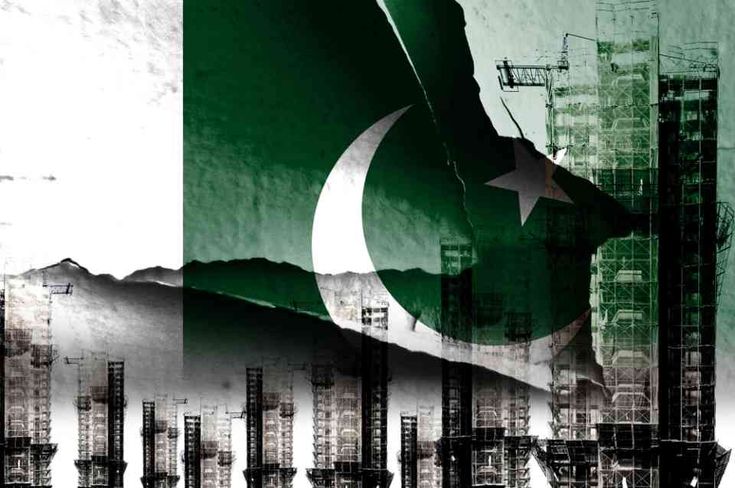
Historical Foundations of Pakistan’s Political and Economic Fragility
A Difficult Beginning (1947–1958)
Pakistan was born in 1947 under extraordinarily difficult circumstances. Partition brought mass displacement, communal violence, and the urgent task of building a state from scratch. The country inherited little industrial infrastructure, weak administrative capacity, and an economy heavily dependent on agriculture.
The early death of founding leaders, including Muhammad Ali Jinnah and Liaquat Ali Khan, created a leadership vacuum. Frequent changes in government, constitutional delays, and political infighting prevented institutional maturity. Instead of strengthening civilian governance, Pakistan drifted toward instability, laying the groundwork for future interventions by non-civilian actors.

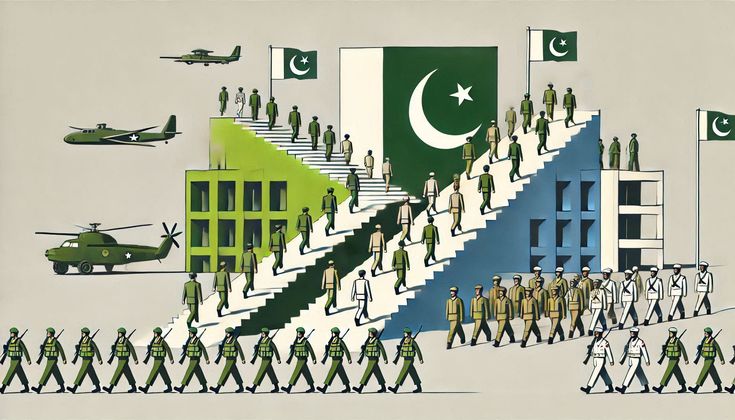
Military Rule and Managed Growth (1958–1988)
Pakistan’s first military coup in 1958 marked a turning point. While military governments promised discipline and economic order, their rule introduced a pattern that continues to influence Pakistan today: political control combined with selective economic growth.
During the Cold War, Pakistan’s strategic alignment with Western powers brought significant foreign aid. This assistance temporarily boosted growth but discouraged internal reform. Tax systems remained weak, elite privileges untouched, and education underfunded. Economic progress was uneven and failed to reach large segments of the population.
Repeated military interventions weakened democratic institutions and normalized political disruption, making long-term economic planning nearly impossible.
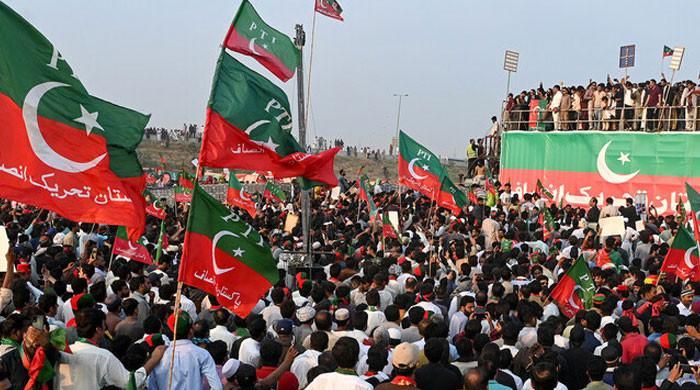
Democracy Without Stability (1988–2008)
The return to civilian rule did not bring the expected stability. Governments were repeatedly dismissed, elections contested, and political rivalry intensified. Corruption scandals and inconsistent policies undermined economic confidence.
During this period, Pakistan became increasingly dependent on external borrowing. IMF programs became routine rather than exceptional. Structural reforms were promised but rarely sustained, creating a cycle of debt, austerity, and economic stagnation.
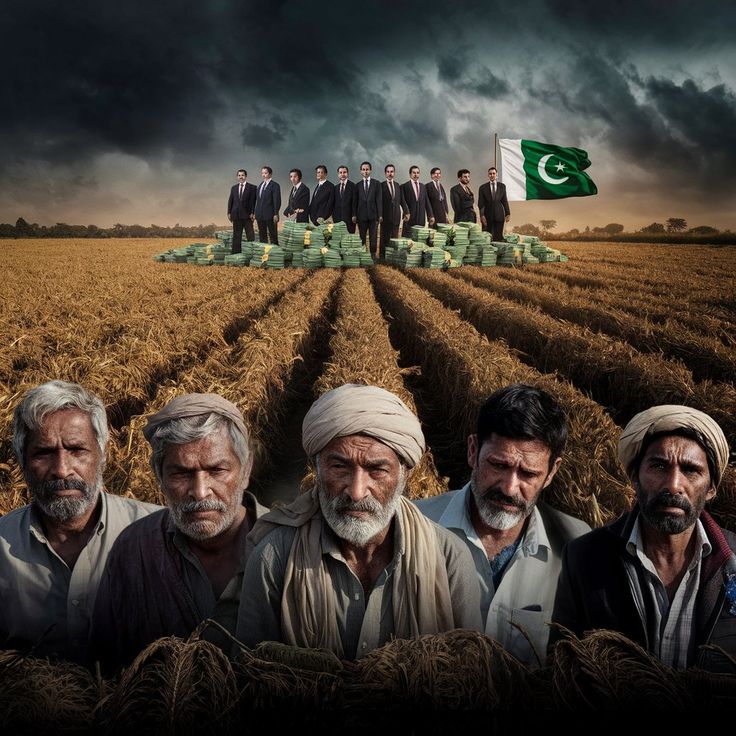
The Current Economic Crisis: Symptoms and Causes
Macroeconomic Breakdown
By the mid-2020s, Pakistan’s economy showed clear signs of distress:
- Persistent inflation driving up food and fuel prices
- Sharp depreciation of the Pakistani rupee
- Declining foreign exchange reserves
- Rising public and external debt
- Shrinking industrial output
Ordinary citizens bore the brunt of these pressures, with middle- and lower-income households facing declining living standards and job insecurity.
Structural Weaknesses
The crisis is rooted in long-standing structural problems:
- A narrow tax base that spares wealthy sectors
- Heavy reliance on imports, especially energy
- Low productivity and limited exports
- Weak governance and regulatory enforcement
Rather than addressing these issues, successive governments relied on emergency financing and short-term stabilization measures.

Political Instability and Institutional Tensions
Polarization and Governance Paralysis
Economic crisis has unfolded alongside deep political polarization. Disputed elections, protests, and confrontations between political parties and state institutions have created uncertainty. Policy continuity has suffered as governments struggle to survive rather than govern.
Frequent leadership changes discourage foreign investment and delay reforms, reinforcing economic decline.
Civil–Institutional Imbalance
Pakistan’s history of institutional imbalance continues to affect governance. Civilian authority remains fragile, and political decision-making is often constrained. This limits accountability and undermines democratic legitimacy, both critical for economic recovery.
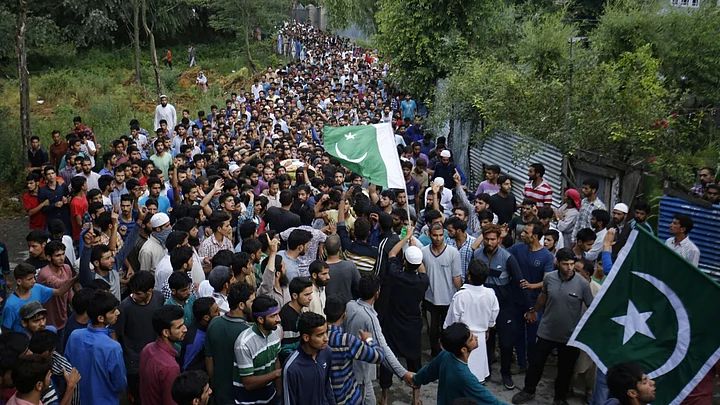
The Human Cost of Crisis
Beyond statistics, the crisis has profoundly affected daily life:
- Rising poverty and food insecurity
- Youth unemployment and migration
- Declining access to healthcare and education
- Increased mental health stress across society
Despite these hardships, Pakistani society has demonstrated resilience through family networks, community support, and informal economic adaptation.
Why Pakistan’s Crisis Matters Globally
Pakistan’s instability has international implications:
- It is a nuclear-armed state
- It plays a central role in South Asian security
- It lies at a strategic crossroads of Asia
- It has a population exceeding 240 million
Prolonged instability could affect regional security, global markets, and humanitarian conditions far beyond Pakistan’s borders.
Lessons from History: What Must Change
From Crisis Management to Structural Reform
Pakistan’s history shows that temporary fixes deepen long-term problems. Sustainable recovery requires:
- Comprehensive tax reform
- Investment in education and human capital
- Export-led industrial growth
- Transparent governance
Political Stability as an Economic Necessity
Economic reform cannot succeed without political continuity. Democratic legitimacy, rule of law, and institutional balance are not optional—they are prerequisites for growth.
Harnessing Demographic Potential
Pakistan’s young population represents a powerful opportunity. With the right investments in skills, technology, and entrepreneurship, demographic pressure could become economic strength.
Conclusion: A Defining Moment
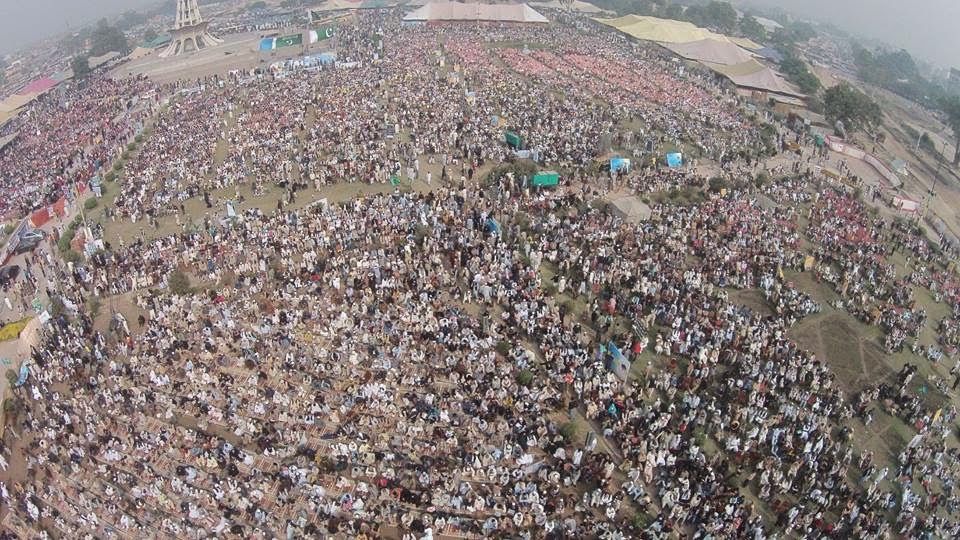
Pakistan stands at a defining moment. The crisis it faces is severe, but it also offers an opportunity to break free from cycles that have persisted for decades.
Whether Pakistan moves toward stability and sustainable development or remains trapped in recurring crises will depend on leadership choices, institutional reform, and public accountability.
History shows the cost of delay. The future will judge the decisions made now.
This is not merely an economic crisis. It is a test of governance, vision, and national resolve.
Author Profile

- Syed Tahir Abbas is a Master's student at Southwest University, Chongqing, specializing in international relations and sustainable development. His research focuses on U.S.-China diplomacy, global geopolitics, and the role of education in shaping international policies. Syed has contributed to academic discussions on political dynamics, economic growth, and sustainable energy, aiming to offer fresh insights into global affairs.
Latest entries
 GeopoliticsMarch 16, 2026Trump Warns NATO of a “Very Bad” Future Over Strait of Hormuz Security
 Middle East ConflictMarch 11, 2026Israel Strikes Iran and Lebanon, US Destroys Iranian Mine-Laying Ships as Tensions Escalate in the Middle East
 Middle East PoliticsMarch 9, 2026Mojtaba Khamenei Becomes Iran’s New Supreme Leader as Oil Prices Surge and Middle East War Escalates
 World PoliticsMarch 1, 2026Ayatollah Ali Khamenei: The Martyr Who Shook the World – A Criminal US-Israeli Aggression Against the Islamic Republic