
Table of Contents
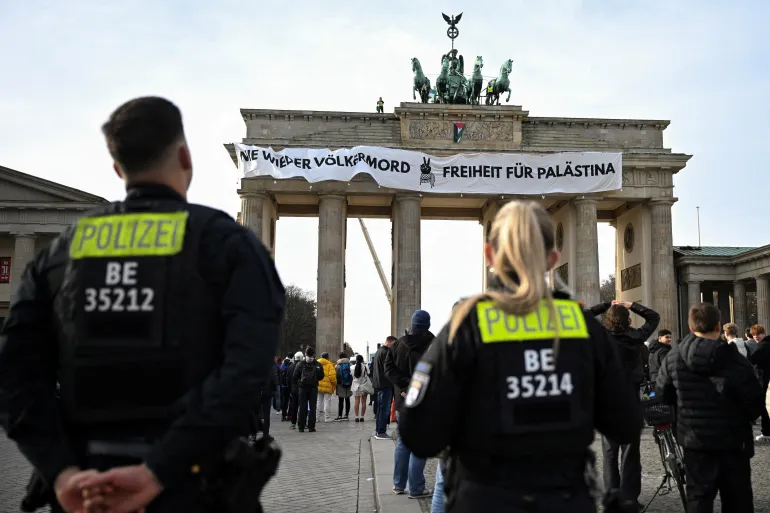
In what is becoming a defining moment for European foreign policy, nearly half a million European citizens have taken a powerful step to hold their governments accountable. This growing demand has manifested through an official European citizens’ initiative, calling for the suspension of the European Union’s partnership agreement with Israel. This initiative, which has gained rapid support across the continent, serves as a barometer for Europe’s commitment to human rights, international law, and its democratic values.

The European Citizens’ Initiative: A Democratic Mechanism for Accountability
The European citizens’ initiative is not just a symbolic petition; it is a formal and legally recognized process embedded in the European Union’s democratic framework. Launched on January 13, 2026, the initiative seeks to gather one million signatures from at least seven EU member states within a year, by January 13, 2027, to compel the European Commission to formally review the EU-Israel Association Agreement.
The agreement between the EU and Israel is founded on the principle that both parties will uphold human rights and abide by international law. However, the petition’s authors argue that Israel’s actions—particularly its treatment of Palestinians, including large-scale civilian killings, displacement, destruction of hospitals, and the blockade of humanitarian aid in Gaza—represent serious violations of these principles. The petition claims that Israel’s actions constitute war crimes and crimes against humanity, making the continuation of the EU-Israel partnership untenable under the conditions of their agreement.
The initiative’s call for action is rooted in the EU’s own legal framework: Article 2 of the EU’s partnership agreements requires that all signatories respect human rights. This clause has been cited to demand the suspension of the agreement due to Israel’s alleged breaches of these rights. This is not just an act of protest; it’s a call to action based on legal grounds, challenging the EU to stand by its stated principles rather than continuing to support a partner accused of human rights violations.

Momentum Across Europe: A Continental Movement for Change
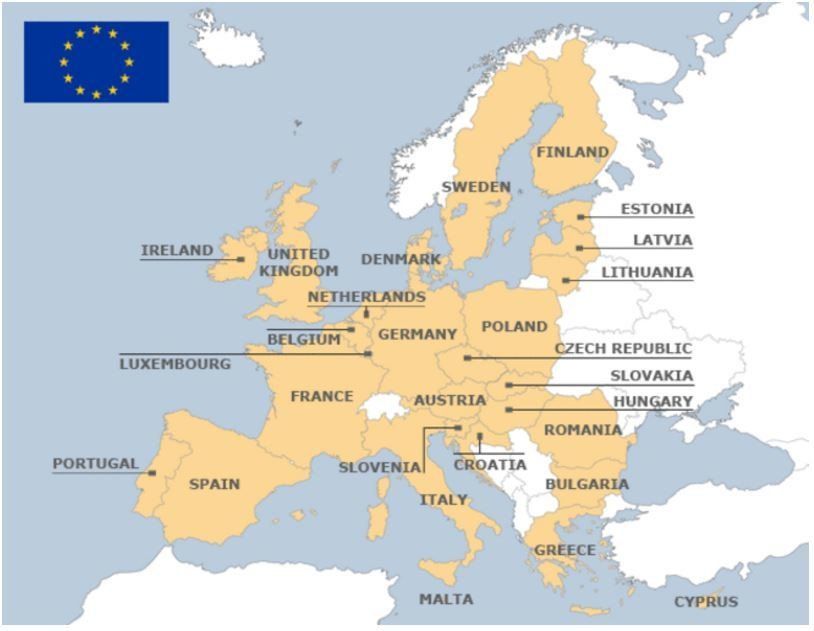
The petition’s rapid success speaks volumes about the level of public discontent with the EU’s policy on Israel. Within just one month, the initiative has garnered more than 457,000 signatures—almost 45% of the target needed to trigger formal consideration by the European Commission. The petition has not only gained traction in countries traditionally sympathetic to Palestine, such as France, Spain, and Italy, but also in nations across the EU, reflecting a wide-reaching movement for accountability.
France, with its historical and political connection to the Palestinian cause, leads with over 203,000 signatories. This is no coincidence, as France has seen massive protests against Israel’s military actions in Gaza, driven by a strong anti-war sentiment. Political parties like La France Insoumise and grassroots movements have mobilized in support of this initiative, demonstrating that the push for policy change is rooted not only in civil society but also within institutional political frameworks.
Following France is Spain, which has garnered over 60,000 signatures. The Spanish government’s stance on Israel has fluctuated over the years, but widespread public support for Palestinian rights, especially after the recent escalation of violence in Gaza, has led to an increasing demand for the EU to reconsider its stance. Italy, despite its right-wing government’s public support for Israel, has also seen a significant number of signatures—over 54,000—illustrating that the call for accountability transcends political affiliations.
Countries like Belgium, Finland, Sweden, and Ireland have also demonstrated high levels of engagement. Belgium, with 20,330 signatures, and Ireland, with 11,281, have surpassed their national thresholds, showing the strength of support for the initiative in smaller member states. Even in the Nordic region, where public opinion tends to lean toward human rights, Finland, Sweden, and Denmark have seen sustained participation, signaling that the EU-Israel issue has become a continental concern.
A Notable Absence: Germany’s Complex Position
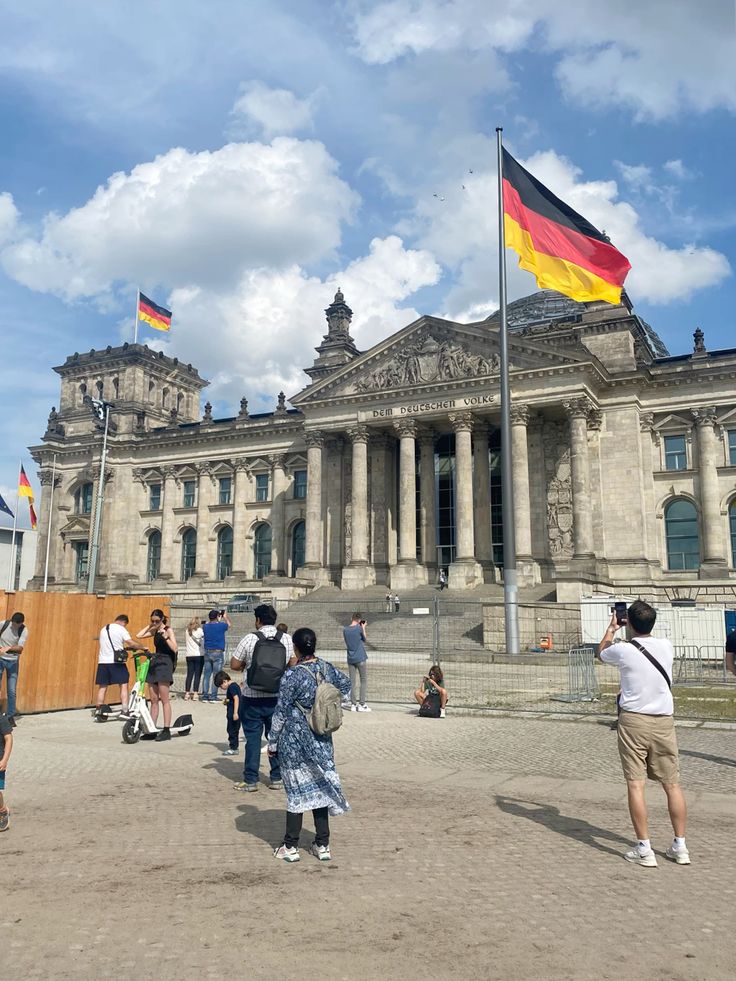
Despite being the EU’s most populous country and a site of some of the largest pro-Palestinian protests, Germany has seen a relatively low turnout for the petition, with only 11,461 signatures collected as of February 2026—far below the national threshold of 69,120. This gap between Germany’s visible street protests and the lower levels of institutional participation in the petition process reflects the unique political climate within Germany.
Germany’s post-World War II commitment to the protection of Jewish life and the prevention of anti-Semitism has shaped its foreign policy, leading to a near-unconditional support for Israel since its founding. The German government’s firm stance on Israel has, at times, led to tensions with pro-Palestinian advocates who argue that this policy overlooks Israel’s alleged human rights violations. Despite this, the 11,000-plus signatories in Germany show that there is still a significant portion of the population willing to speak out, even if institutional constraints and political pressures are at play.
This gap between protest movements and formal petition support highlights the structural challenges within Germany’s political system, where pro-Palestinian activism has often faced legal and social hurdles. Nonetheless, the participation of over 11,000 German citizens in a formal democratic process is indicative of the underlying dissatisfaction with the government’s unwavering support for Israel in the face of ongoing violence against Palestinians.

The Core Question: Is the EU Committed to Human Rights?
The heart of the European citizens’ initiative is a fundamental question: Will the EU uphold its own human rights principles, or will it continue to prioritize diplomatic and strategic relationships, even at the expense of those values? The EU prides itself on being a normative power, one that champions human rights and international law on the world stage. Yet, its continued partnership with Israel, despite allegations of war crimes and human rights violations, threatens to undermine this image.
Article 2 of the EU-Israel Association Agreement is crystal clear—it conditions the partnership on mutual respect for human rights. If hundreds of thousands of EU citizens demand that this provision be enforced, the European Commission will be faced with a serious dilemma. Can the EU afford to maintain an agreement with a country that has repeatedly been accused of violating the very principles it claims to champion?
The political implications of this petition extend far beyond the immediate question of the EU-Israel relationship. This is a broader test of Europe’s credibility as a proponent of human rights and international law. If the EU continues to turn a blind eye to Israel’s actions, it risks alienating its own citizens and undermining its position as a moral authority on the global stage. On the other hand, a serious review of the EU-Israel relationship could trigger significant diplomatic shifts, not only between the EU and Israel but also within the broader context of European foreign policy.

A Shift from Protest to Institutional Change
What sets this initiative apart from previous movements is the way it has transitioned from street protests and grassroots activism into a formal institutional process. This is a critical development, as it demonstrates that public sentiment is no longer confined to protests or demonstrations but is now being channeled into the EU’s legal and political framework. By utilizing the European citizens’ initiative, Europeans are directly engaging with the democratic mechanisms that govern the Union, compelling the EU to respond to a demand rooted in human rights and international law.
This is not simply an exercise in raising awareness; it is a concrete step toward demanding institutional accountability. The initiative reflects a growing frustration with the EU’s reluctance to take decisive action on issues of human rights violations, particularly in the context of the Israel-Palestine conflict. It represents a shift from symbolic gestures to a call for real, tangible change.
Looking Ahead: What’s at Stake for Europe?
As this initiative continues to gather support, the question remains: Will the European Commission respond to the will of the people, or will it maintain the status quo? The outcome of this petition could reshape the EU’s foreign policy landscape, particularly in its relations with Israel and the broader Middle East. If the EU ultimately chooses to suspend its partnership with Israel, it would send a powerful message about the Union’s commitment to human rights, justice, and international law.
However, even if the petition does not reach one million signatures, its very existence within the EU’s formal democratic process has already achieved something significant. It has ensured that the issue of human rights violations in Gaza and the EU’s complicity in Israel’s actions can no longer be ignored or dismissed as marginal. The conversation has shifted from the streets to the institutional heart of Europe, where real political decisions are made.
Europe’s response to this initiative will be a defining moment for its future role in global human rights advocacy. Will it rise to the occasion and apply its own standards to its international agreements, or will it falter under political pressures? One thing is clear: the people of Europe are watching, and they are demanding change.
Author Profile

- Syed Tahir Abbas is a Master's student at Southwest University, Chongqing, specializing in international relations and sustainable development. His research focuses on U.S.-China diplomacy, global geopolitics, and the role of education in shaping international policies. Syed has contributed to academic discussions on political dynamics, economic growth, and sustainable energy, aiming to offer fresh insights into global affairs.
Latest entries
 International RelationsFebruary 18, 2026Europe’s Israel Policy Faces a Democratic Test: A Growing Movement for Accountability
 U.S. Foreign PolicyFebruary 2, 2026AI and Grand Strategy: The Case for Restraint – Navigating the Future of American Power
 National SecurityJanuary 31, 2026Treating China’s Connected Energy Systems as a National Security Risk
 Global HealthJanuary 29, 2026The Future of the WHO—and How the United States Can Shape It