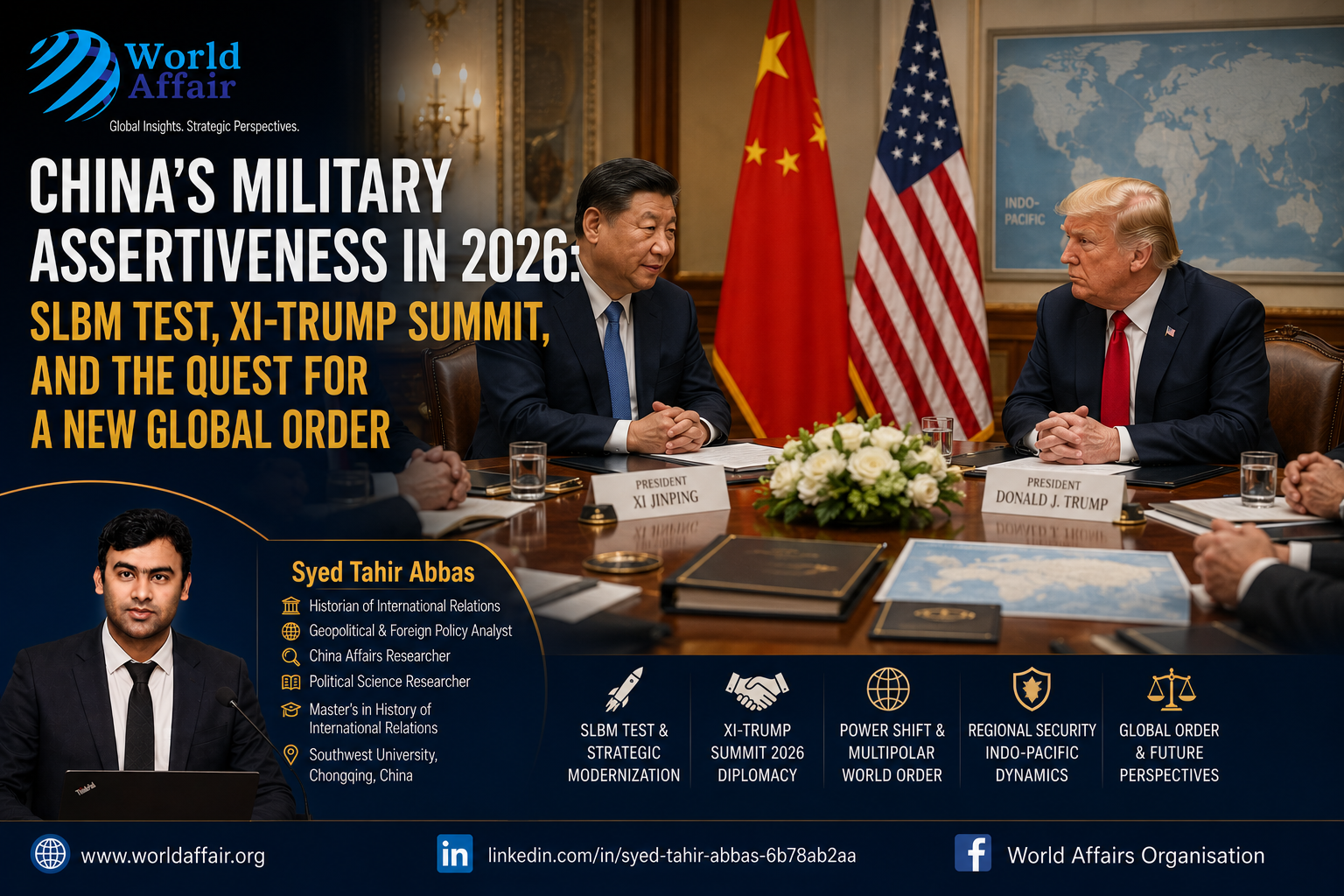
The second week of July 2026 marked a significant escalation in China’s demonstration of military prowess with the test launch of a submarine-launched ballistic missile (SLBM) into the Pacific Ocean. This rare exercise, conducted from a nuclear-powered submarine, was quickly followed by US President Donald Trump’s announcement of a planned September summit with Chinese President Xi Jinping in Washington. These events, unfolding shortly after the NATO Summit in Ankara, illustrate Beijing’s sophisticated strategy of combining hard power projection with diplomatic outreach in an increasingly contested international environment.
For analysts, historians, and students of international relations, this period offers a window into China’s long-term ambitions: achieving “national rejuvenation” through military modernization while positioning itself as a central architect of a post-Western global order. This detailed article draws on the most recent authoritative reporting to provide historical context, current analysis, multifaceted perspectives, and informed forecasts.
Historical Background
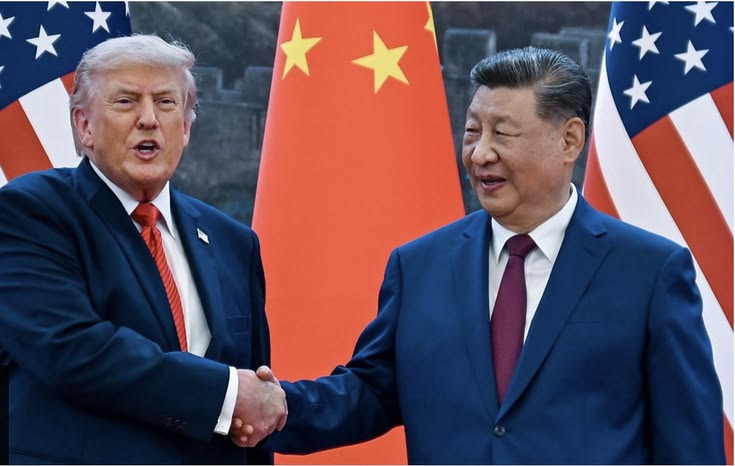
China’s military transformation traces back to Deng Xiaoping’s reforms in the late 1970s, but it accelerated dramatically under Xi Jinping after 2012. The People’s Liberation Army (PLA) was restructured to emphasize joint operations, with the Navy (PLAN) prioritized for blue-water capabilities. Key milestones include the commissioning of aircraft carriers like the Liaoning and Shandong, and advancements in hypersonic and anti-ship missile technologies designed to challenge US dominance in the Western Pacific.

US-China military interactions have been marked by both cooperation (e.g., anti-piracy operations) and confrontation (e.g., freedom of navigation operations). The Trump administration’s first term initiated a more confrontational phase with tariffs and export controls on dual-use technologies. Subsequent years saw continued competition in the Indo-Pacific, compounded by China’s support for Russia during the Ukraine conflict and assertiveness around Taiwan. The 2026 SLBM test builds on this trajectory, showcasing progress toward a credible nuclear triad.
Current Situation
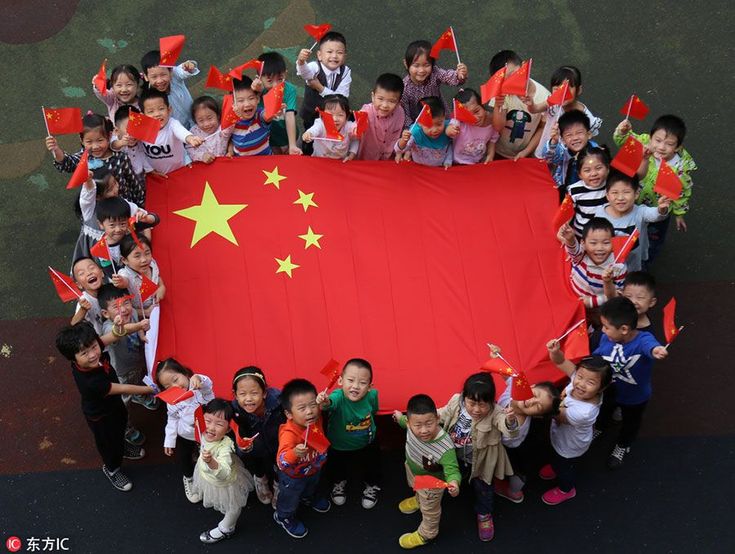
On July 6, 2026, China fired an SLBM from a submarine into the Pacific, its first such test in international waters. Official statements emphasized routine training and prior notifications, but the action was widely interpreted as a signal of growing confidence in second-strike capabilities. Regional reactions were swift, with Japan and Australia expressing concern over stability.
Trump’s announcement of the September summit reflects pragmatic engagement. Amid ongoing trade negotiations and technology restrictions, both sides appear interested in managing competition to avoid unintended escalation. This occurs as NATO grapples with European defense priorities, potentially creating space for China in global forums.
Latest Developments
- Military Test: The launch highlights improvements in the JL-3 missile and Type 094/096 submarines, enhancing survivability against potential adversaries.
- Diplomatic Calendar: Preparations for the Xi-Trump meeting include discussions on economic stabilization and crisis communication mechanisms.
- Regional Context: The test coincides with heightened activity in the South China Sea and around Taiwan, prompting closer US ally coordination.
Political Analysis
In China, the test bolsters domestic narratives of strength and technological parity. Xi’s leadership emphasizes “comprehensive national power,” using military displays to consolidate support. In the US, it fuels hawkish calls for containment while the administration pursues selective deals. European leaders balance economic ties with security concerns.

International Relations Perspective
From a realist lens, China’s actions represent balancing against perceived US encirclement. Liberals advocate for institutionalized dialogue to mitigate risks. The Global South observes with interest, as China’s model offers alternatives to Western-led institutions. BRICS and SCO serve as platforms for Beijing’s vision of “equal and orderly multilateralism.”
Strategic Analysis
The SLBM capability strengthens China’s A2/AD posture, complicating potential US interventions. Diplomatic moves aim to “shape the environment” favorably. NATO’s European focus may allow greater Chinese freedom in Asia, but allied responses could include expanded partnerships. Long-term, this contributes to a contested maritime domain.
Economic Implications
Stabilization could support global recovery, but military posturing risks renewed decoupling in critical technologies. China’s dominance in rare earths and batteries gives leverage in any escalation. BRI continues expanding influence through infrastructure in vulnerable regions.
Military Implications
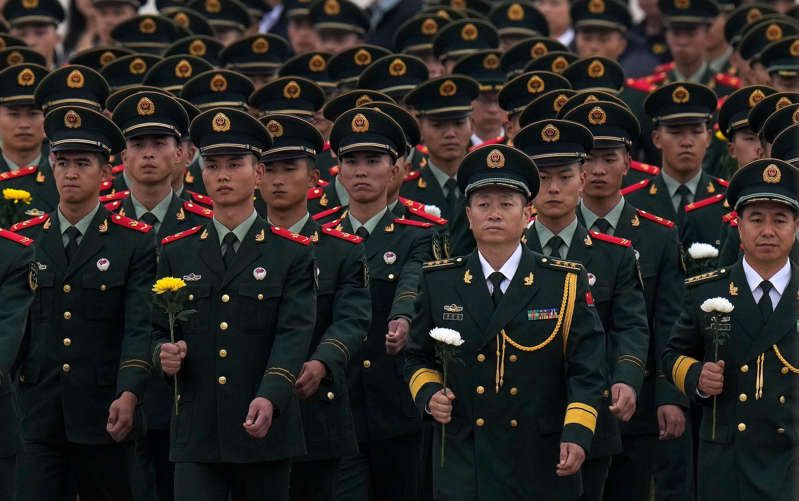
Enhanced nuclear deterrence reduces vulnerability but raises escalation thresholds. Regional arms dynamics may accelerate, with allies investing in countermeasures. Transparency deficits hinder trust-building.
China’s Perspective
Actions are framed as necessary self-defense and contributions to global stability. The test demonstrates resolve; the summit seeks mutual respect and win-win cooperation. Beijing advocates for a multipolar system reflecting developing world interests.
US Perspective
The administration views China as a systemic competitor. The test reinforces investment in alliances; the meeting offers leverage on fentanyl, trade, and technology. Balancing competition with cooperation remains the guiding principle.
European Perspective
NATO members increasingly link China to Russian support, prompting “de-risking” strategies. Economic interdependence limits confrontation, favoring targeted measures in supply chains and critical minerals.
Asian Perspective: Japan and the Philippines see direct threats to maritime security. India balances Quad cooperation with BRICS engagement. Smaller states pursue hedging to maintain autonomy.
Global South Perspective China’s development financing is attractive, but military assertiveness raises sovereignty concerns. Many prefer non-alignment, using forums like BRICS to amplify voices.
Expert Analysis Geopolitical Monitor describes the test as a “declaration” rather than routine exercise. CSIS analysts stress the importance of notification agreements. Diplomatic channels are welcomed but must address core disputes for lasting stability.
Future Scenarios Optimistic: Summits yield crisis hotlines and confidence-building measures. Pessimistic: Tests escalate into incidents, heightening Taiwan risks. Realistic: Incremental competition with episodic cooperation, reshaping norms in contested spaces.
Challenges Technological secrecy, alliance coordination gaps, and domestic nationalism complicate de-escalation. Climate and economic interdependencies add layers of complexity.
Policy Recommendations
- US: Maintain deterrence while expanding dialogue on strategic stability.
- China: Increase transparency in exercises and engage in multilateral arms control.
- Allies: Enhance interoperability and diversify critical supply chains.
- Global: Strengthen UN and regional mechanisms for maritime governance.
Conclusion China’s July 2026 SLBM test and diplomatic initiatives reflect a calculated strategy to assert influence while managing risks. As the Xi-Trump meeting approaches, outcomes will shape not only bilateral ties but the broader architecture of international order. Continued monitoring and nuanced policy responses are essential for all stakeholders in this defining era of great power relations.
FAQ
1. What does the SLBM test reveal about China’s capabilities? It showcases progress in submarine-based nuclear deterrence, enhancing survivability and reach for strategic stability.
2. Why is the Xi-Trump meeting important? It provides a platform to address trade, technology, and security issues, potentially preventing escalation amid competition.
3. How does this affect the Indo-Pacific? Increased capabilities challenge freedom of navigation and raise concerns for Taiwan and South China Sea claimants.
4. What is China’s broader global strategy? Combining military modernization with economic diplomacy to promote a multipolar order favorable to its interests.
5. Are there risks for US allies? Yes, potential for gray-zone coercion and pressure on regional security architectures.
6. How has NATO responded indirectly? Discussions highlighted concerns over China’s support for Russia and long-term military growth.
7. What economic factors are at play? Interdependence encourages dialogue, but rivalry risks supply chain disruptions in key technologies.
8. What military responses might follow? Allies could accelerate their own modernization and joint exercises.
9. Will tensions ease after the summit? Short-term management is possible, but structural differences suggest ongoing competition.
10. What should global policymakers focus on? Crisis prevention mechanisms, transparent military practices, and inclusive economic frameworks.
Author Profile

- Syed Tahir Abbas is a Master's student at Southwest University, Chongqing, specializing in international relations and sustainable development. His research focuses on U.S.-China diplomacy, global geopolitics, and the role of education in shaping international policies. Syed has contributed to academic discussions on political dynamics, economic growth, and sustainable energy, aiming to offer fresh insights into global affairs.
Latest entries
 GeopoliticsSeptember 21, 2026Xi-Trump Summit 2026: Can Managed Competition Survive the AI and Power Reality?
 GeopoliticsSeptember 7, 2026China’s New Front: Coast Guard Patrols East of Taiwan and the Quiet Expansion of Maritime Pressure in 2026
 Strategic AssessmentAugust 24, 2026The AI Choice Is Becoming Binary: Washington’s Push and Beijing’s Counter
 GeopoliticsJuly 28, 2026South China Sea Crisis Deepens: China-Philippines Standoff and the Future of Indo-Pacific Order