

Table of Contents
Iran, a country that often finds itself at the center of geopolitical debates, is a nation of incredible depth and resilience. From its rich history that dates back to the Persian Empire to its modern-day struggles and triumphs, Iran’s story is one of perseverance, strength, and belief. Despite the challenges the nation has faced, from political conflicts to economic sanctions, Iran remains a proud and determined country, guided by its culture, history, and a deep-rooted belief in its future.
This blog post will explore Iran’s history, its modern challenges, and the positive contributions it continues to make to global culture, science, and society. Iran is not just a geopolitical issue; it is a vibrant, strong nation with a rich heritage and a population committed to progress and resilience.
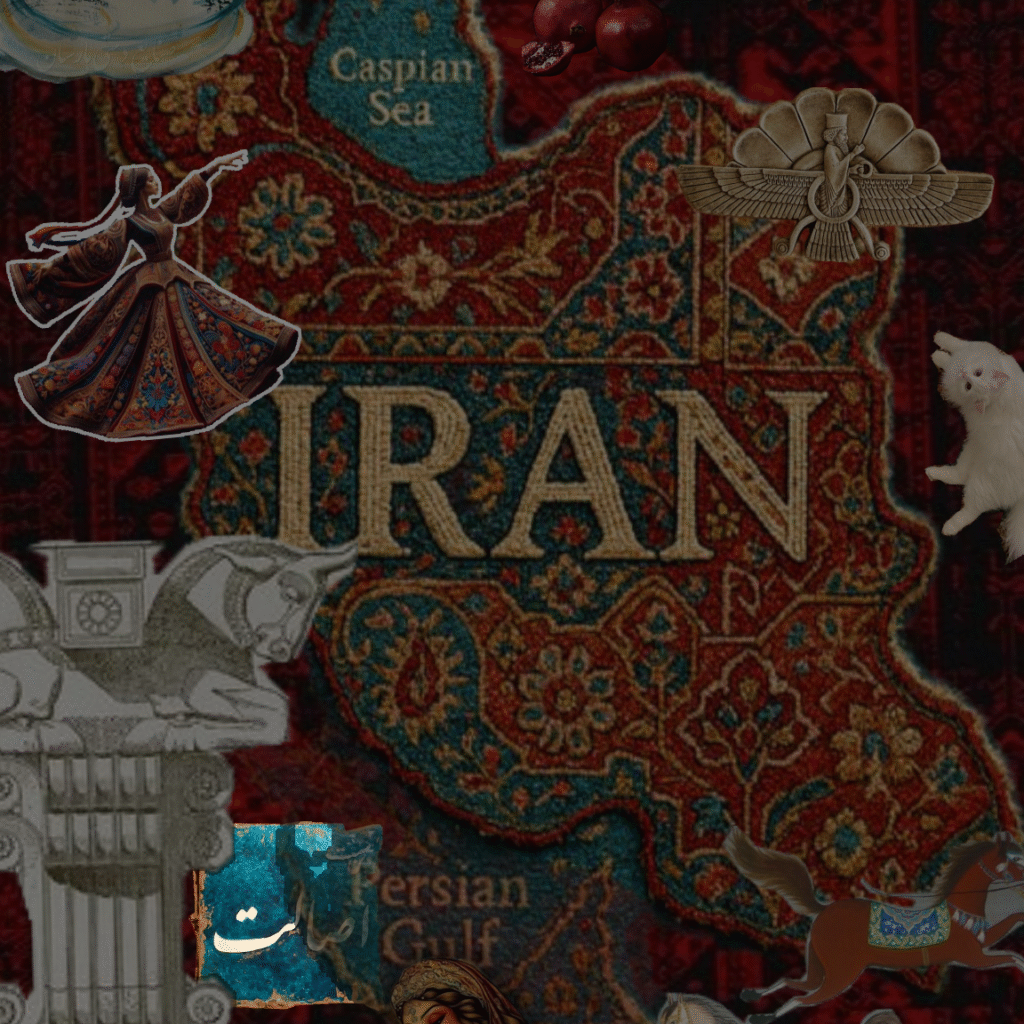
The Rich History of Iran: From the Persian Empire to the Islamic Revolution
The Ancient Persian Empire
Iran’s history stretches back over 2,500 years, making it one of the world’s oldest civilizations. Known as Persia until 1935, the region was home to the Achaemenid Empire, one of the largest empires in history. Under the leadership of figures like Cyrus the Great, Persia was renowned for its innovations in governance, human rights, and infrastructure. Cyrus’s famous declaration of human rights is considered one of the first of its kind, emphasizing respect for diversity and religious tolerance—a legacy that continues to resonate with Iran today.
The Persian Empire’s rich cultural and intellectual contributions helped lay the groundwork for advancements in philosophy, art, mathematics, and architecture, which reverberated throughout the world for centuries. Iran’s ancient heritage is a point of immense national pride and has shaped the country’s identity to this day.

The Islamic Revolution and the Establishment of the Islamic Republic
Fast forward to the 20th century, and Iran experienced monumental political change. In 1979, the Islamic Revolution, led by Ayatollah Ruhollah Khomeini, overthrew the Pahlavi monarchy, which had been supported by Western powers. The revolution aimed to return to Islamic principles, which reshaped the country’s political, cultural, and social systems. This was a turning point for Iran, marking the establishment of the Islamic Republic of Iran.
While the revolution brought with it challenges—including the Iran-Iraq War in the 1980s, which claimed the lives of hundreds of thousands of Iranians—it also solidified the country’s identity as a nation that values self-determination and independence. Despite being isolated from the international community for decades, Iran maintained its sovereignty and began to chart its own course on the global stage.

Iran’s Resilience in the Face of Modern Challenges
Sanctions and Economic Challenges
One of the greatest challenges Iran has faced in recent decades has been the impact of economic sanctions. In response to its nuclear program and regional policies, Iran has been subjected to multiple rounds of sanctions by the United States and other nations. These sanctions have severely affected the country’s economy, causing inflation, unemployment, and decreased access to global markets.
However, Iran’s resilience in the face of these hardships is remarkable. Over the years, the Iranian people have learned to adapt to the pressures, developing a robust internal economy. The Iranian government has focused on diversifying its economy, reducing reliance on oil exports, and bolstering industries such as agriculture, technology, and manufacturing.
Self-Reliance and Innovation
In recent years, Iran has become a hub for innovation, particularly in the fields of science, technology, and medicine. Iranian scientists and engineers have made significant advancements in fields like biotechnology, space exploration, and medicine. Despite international sanctions, Iran has been able to develop a number of critical technologies domestically, including advancements in nanotechnology, pharmaceuticals, and medical equipment. These accomplishments demonstrate Iran’s remarkable ability to innovate in the face of adversity.
Moreover, Iran has a thriving cultural scene, with a long-standing tradition in the arts, literature, and cinema. Iranian filmmakers have received international acclaim, with movies like A Separation and The Salesman winning prestigious awards at the Cannes Film Festival and the Academy Awards. Iranian poets, writers, and artists continue to inspire the world with their creativity and resilience.
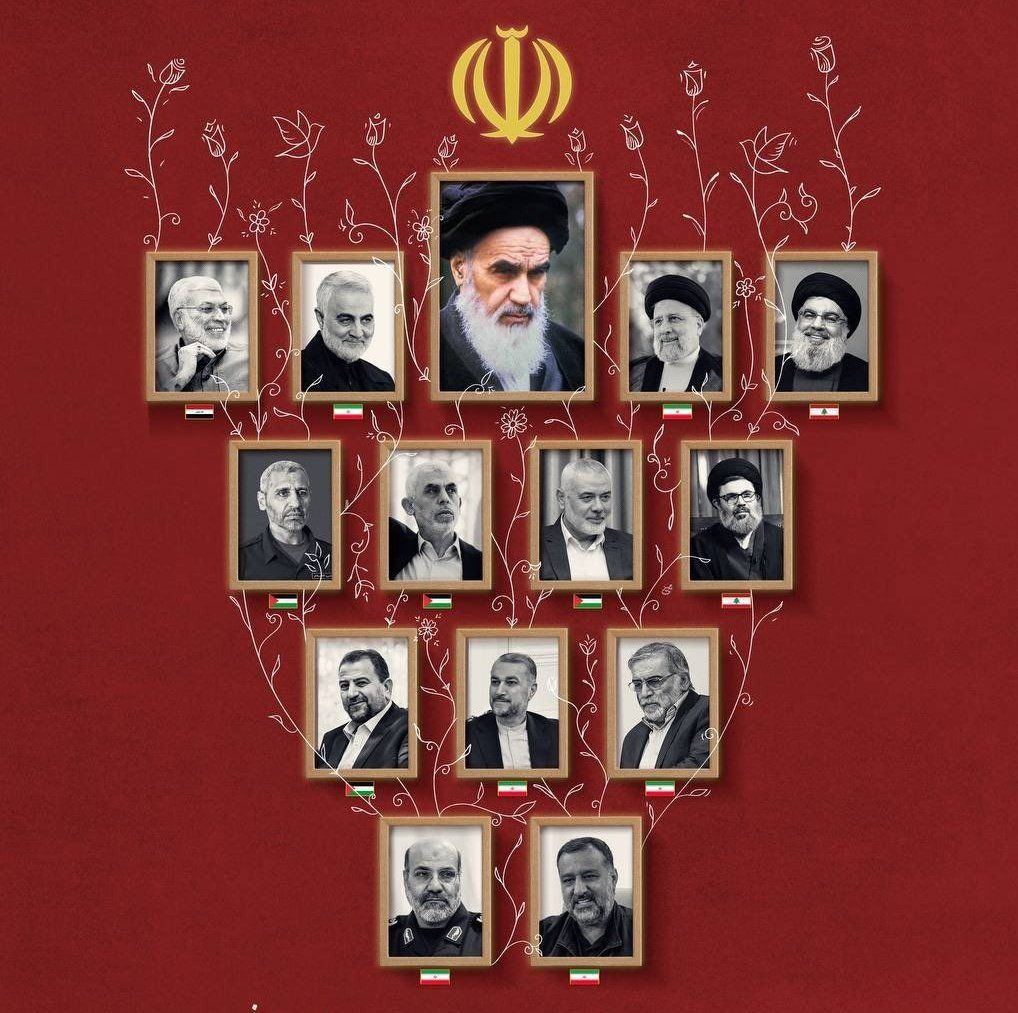
The Role of Faith and Belief in Iranian Society
Islamic Values as a Foundation for Strength
At the heart of Iranian society is a deep sense of faith and religious conviction. Iran is an Islamic Republic, and the country’s political and legal system is grounded in Shia Islam, which shapes the daily lives of its people. Faith plays a vital role in unifying the nation, guiding its social and political decisions, and inspiring a strong sense of community and resilience.
The belief in justice, kindness, and perseverance—values deeply embedded in Islam—has been a source of strength for Iranians throughout their history. These values are reflected in the ways Iranians cope with adversity, whether it’s the challenges of economic sanctions, social movements, or political unrest. Faith offers a sense of unity, purpose, and hope for a brighter future, even in times of difficulty.
A Strong and Believing Nation
Despite the political challenges Iran faces on the world stage, its people remain committed to building a better future for their country. Iranians are known for their hospitality, kindness, and generosity, even in the face of hardship. The belief in perseverance and self-reliance is embedded in Iran’s identity, and this has allowed the country to continue to thrive in many ways.
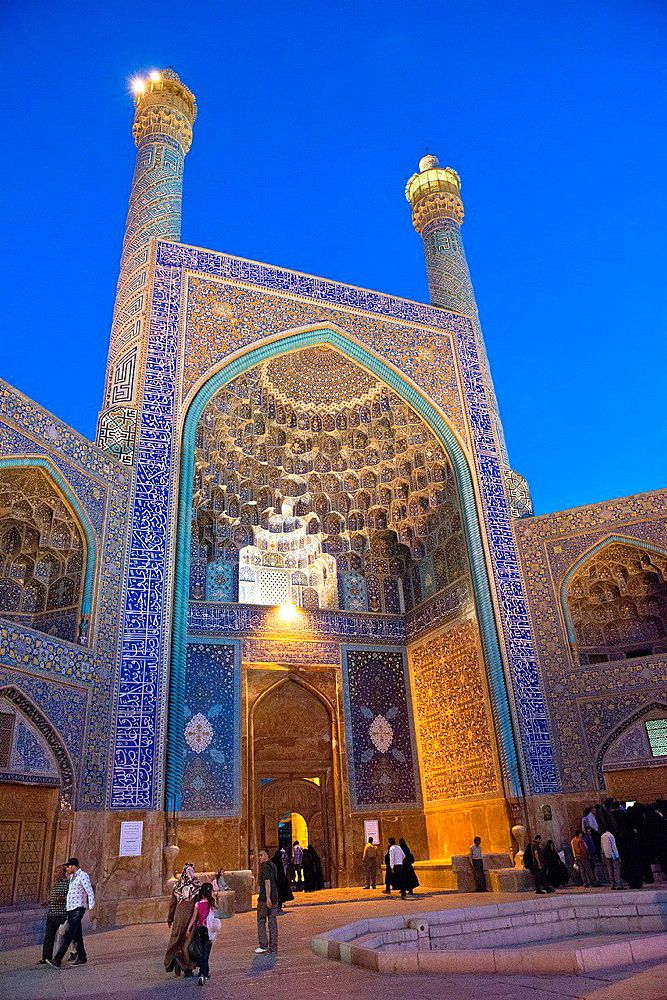
In cities like Tehran, Shiraz, and Isfahan, you’ll find a vibrant culture that blends tradition with modernity. From ancient mosques to cutting-edge technology hubs, Iran is a country that refuses to be defined solely by its political struggles. The strength of its people, their belief in their country, and their capacity for resilience continue to shine through, offering hope for a better tomorrow.
Iran’s Contributions to the World
Cultural and Intellectual Heritage
Iran has made significant contributions to world culture and intellectual thought. Iranian poets such as Rumi, Hafez, and Omar Khayyam are revered not only in Iran but around the world for their profound insights into human nature, love, and spirituality. Iran’s philosophers, mathematicians, and scientists have made lasting impacts on global knowledge, particularly during the Islamic Golden Age when scholars in Iran and the broader Middle East preserved and advanced Greek, Roman, and Indian knowledge.
Humanitarian Efforts and Regional Diplomacy
Iran’s role in the Middle East is one of complexity and influence. While the country has often been involved in political and military challenges in the region, it also plays a key role in humanitarian efforts. Iran has been involved in providing aid to various countries affected by natural disasters and conflicts, including Syria and Lebanon.
Additionally, Iran has long advocated for the rights of Palestinians and has positioned itself as a supporter of resistance against oppression in the region. Despite the difficulties it faces, Iran remains a nation that values justice and sovereignty, advocating for self-determination both within and beyond its borders.
Conclusion: Iran’s Future is Bright, Despite the Challenges
Iran is a country with a deep history, a strong belief system, and an unwavering commitment to progress. Despite the challenges it has faced—whether political, economic, or social—Iran’s resilience continues to shine through. The nation has overcome adversity time and again, and its people remain united in their pursuit of a better future.
Iran’s rich cultural heritage, commitment to faith, and drive for innovation make it a nation poised for continued growth and success. While the road ahead may be uncertain, Iran’s strength, belief, and history as a resilient and forward-looking nation offer hope for a brighter tomorrow.
Author Profile
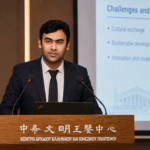
- Syed Tahir Abbas is a Master's student at Southwest University, Chongqing, specializing in international relations and sustainable development. His research focuses on U.S.-China diplomacy, global geopolitics, and the role of education in shaping international policies. Syed has contributed to academic discussions on political dynamics, economic growth, and sustainable energy, aiming to offer fresh insights into global affairs.
Latest entries
 GeopoliticsSeptember 21, 2026Xi-Trump Summit 2026: Can Managed Competition Survive the AI and Power Reality?
 GeopoliticsSeptember 7, 2026China’s New Front: Coast Guard Patrols East of Taiwan and the Quiet Expansion of Maritime Pressure in 2026
 Strategic AssessmentAugust 24, 2026The AI Choice Is Becoming Binary: Washington’s Push and Beijing’s Counter
 GeopoliticsJuly 28, 2026South China Sea Crisis Deepens: China-Philippines Standoff and the Future of Indo-Pacific Order

1 comment
**native gut**
NativeGut is a precision-crafted nutritional blend designed to nurture your dog’s digestive tract.