
Table of Contents
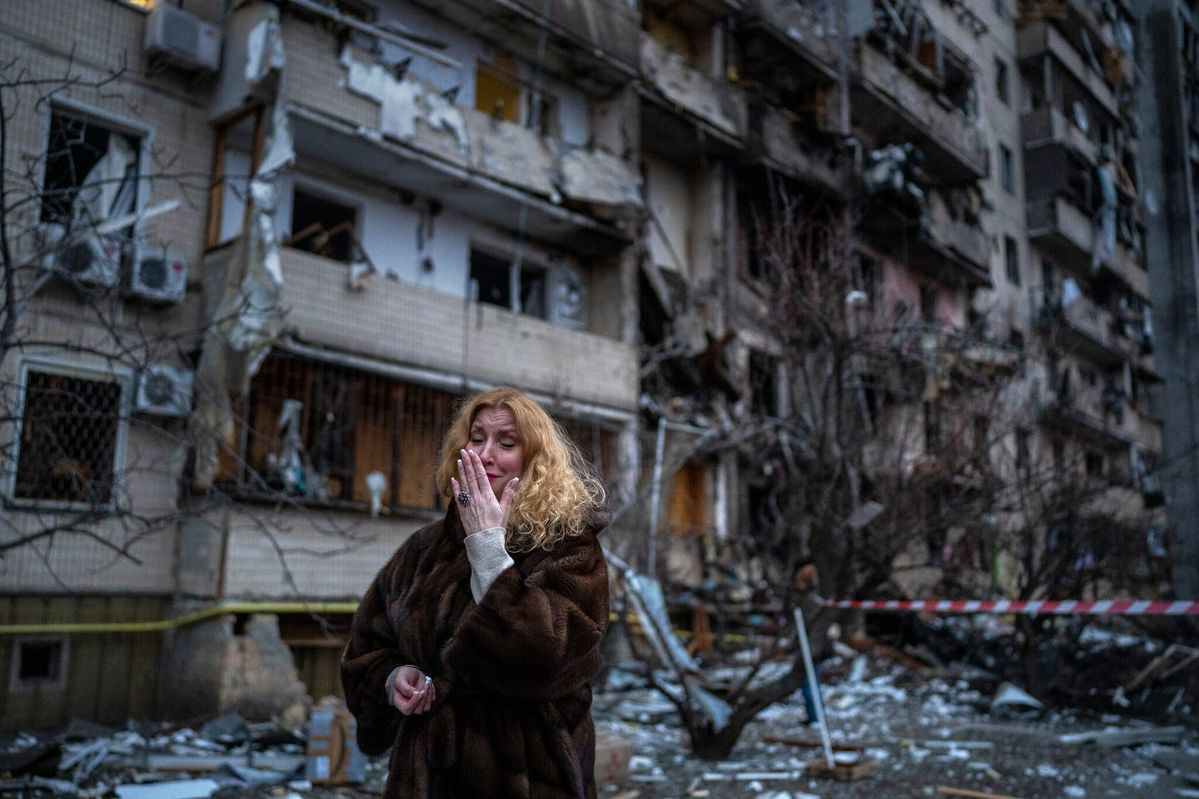
The world is once again watching rising tensions between Iran and Israel, and with every new update, millions of hearts feel heavier. Headlines track strategy. Analysts debate outcomes. Social media surges with reactions. But behind all of that noise is something quieter—and far more real: human emotion.
Conflict is never only about borders, weapons, or power.
It is about people.
It is about mothers listening for the next message that says, “I’m safe.”
It is about children asking questions no child should ever have to ask.
It is about families trying to keep tomorrow feeling normal.
At moments like these, humanity can feel fragile.

Beyond the Headlines: The Human Cost of Conflict
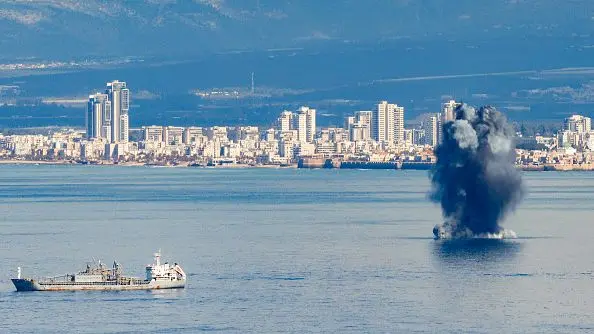
When tensions escalate, the world often narrows its focus to military strength and political narratives. But the deepest impact happens away from the cameras—in homes, schools, hospitals, and neighborhoods.
Fear becomes part of daily life.
Uncertainty replaces routine.
Hope has to work harder to survive.
And while statistics may count injuries, damage, and displacement, emotional wounds rarely fit neatly into numbers. The stress of living under constant tension can reshape everyday choices: whether children go to school, whether businesses stay open, whether families plan ahead—or simply make it to the end of the day.
War does not only destroy buildings. It shakes confidence. It strains mental health. It changes how people trust the future.
In today’s digital era, the emotional ripple travels farther than ever. A single video, photo, or personal story shared online can move someone thousands of miles away to tears. That shared reaction is painful—but it also reveals something important:
Humanity is connected, whether we admit it or not.
Why the Middle East Feels the Impact So Strongly
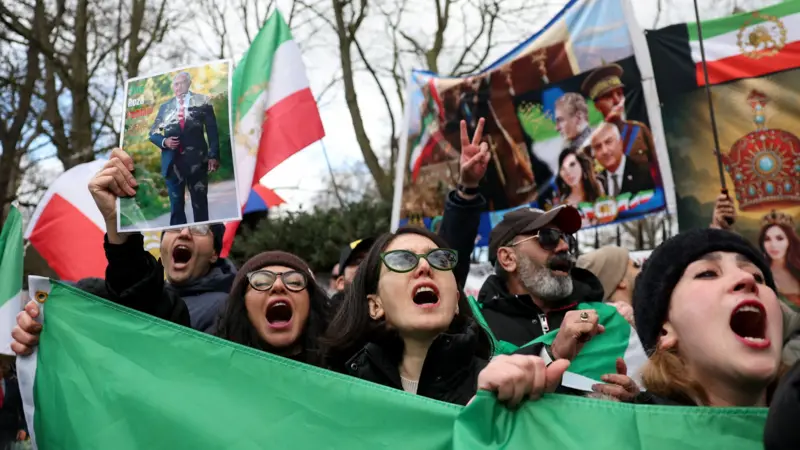
The Middle East holds deep historical, cultural, and strategic significance. It is also a region where layered alliances, long memories, and unresolved grievances make peace harder to sustain.
The relationship between Iran and Israel has remained tense for decades, shaped by ideology, security concerns, regional influence, and competing visions for the future. Modern technology—missiles, drones, cyber operations, and rapid information flow—can make escalations feel faster and more unpredictable, increasing anxiety both locally and globally.
International involvement adds another complex layer. Major powers and regional actors all influence the balance through alliances, policies, and pressure. Some view outside involvement as a stabilizing force; others fear it can inflame already fragile conditions. Often, both fears exist at once—because global conflicts are rarely simple.
What remains clear is this: when tensions rise in the Middle East, the human consequences can spread quickly, and the emotional shock is felt far beyond the region.
When Ordinary People Carry Extraordinary Fear
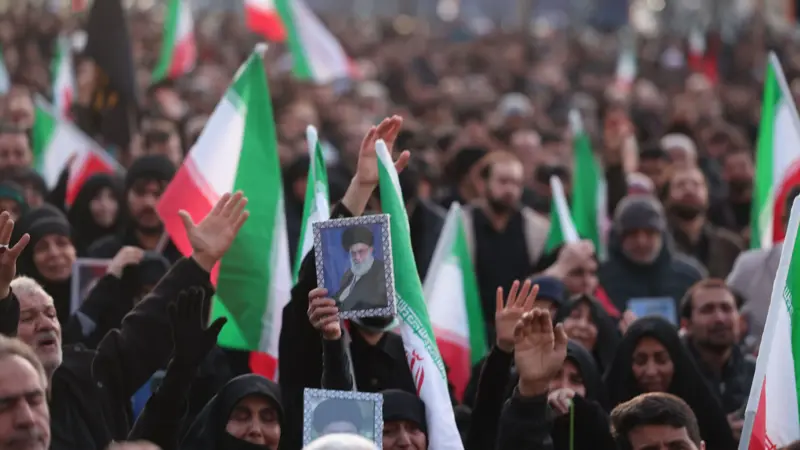
The most painful truth about conflict is that ordinary people often pay the highest price.
Children lose stability.
Students lose learning opportunities.
Families lose their sense of security.
A child does not understand politics. A child understands safety.
That is why conversations about global tensions should never be only strategic. If the humanitarian perspective is missing, the discussion becomes incomplete—detached from the lives that are actually being lived under pressure.
Empathy should not be optional. It should be central.
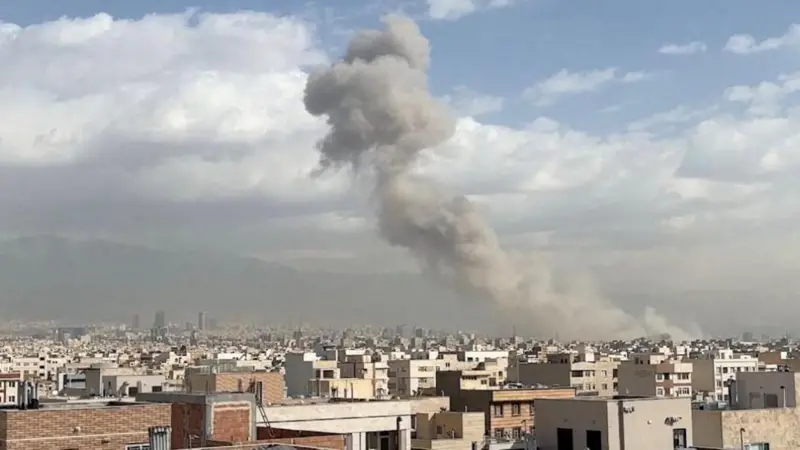
Leadership in Moments That Define History
During uncertain times, people naturally look to leadership for reassurance. In moments of crisis, leadership becomes more than governance—it becomes emotional guidance for entire populations.
Across the region, citizens hope decision-makers will choose wisdom over pride, patience over provocation, and protection of civilians over the temptation to “win” a moment at any cost. History remembers leaders not only for how they responded to threats, but for how they protected human life while doing so.
Leadership decisions made today can echo for generations.
That is why restraint, clear communication, and commitment to de-escalation matter so much—especially when public fear is at its peak.
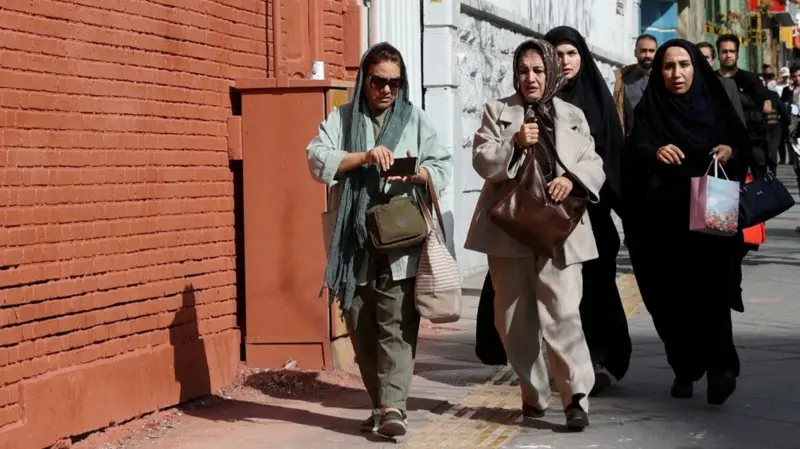
The Emotional Power of Words in the Digital Age
Social media has transformed how the world experiences conflict. Blogs, LinkedIn posts, comment threads, and viral videos can shape public mood within minutes. That access has created global awareness—sometimes compassionate, sometimes chaotic.
With that power comes responsibility.
Words written during conflict carry emotional weight. They can dehumanize or dignify. They can inflame division or encourage understanding. Viral content is no longer “just content”—it influences perception, anxiety, and even how communities treat one another.
Before sharing, posting, or commenting, it helps to pause and ask:
- Does this increase understanding—or increase hatred?
- Does this protect human dignity—or reduce people to stereotypes?
- Does this encourage solutions—or celebrate escalation?
Responsible communication matters more than ever.
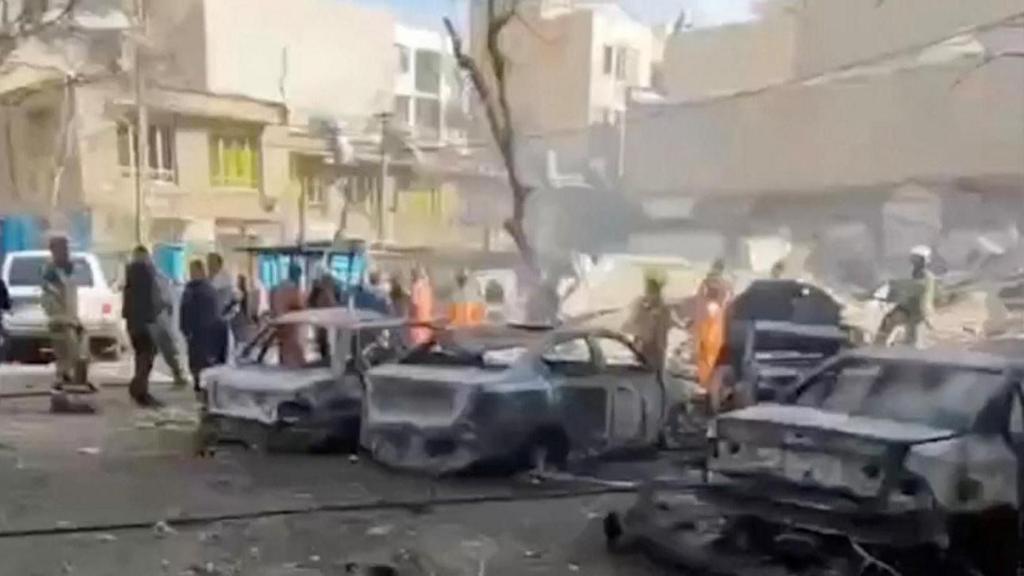
Why Peace Still Matters More Than Power
History teaches a hard lesson: escalation may change a moment, but diplomacy changes futures.
International institutions continue to emphasize dialogue and de-escalation for a reason—because long-term stability cannot be built through endless retaliation. Even when trust is thin, communication can prevent miscalculation. Even when agreement feels impossible, humanitarian priorities—protecting civilians, supporting aid, keeping essential services running—should never be negotiable.
Peace is not weakness.
Peace is strategy.
Peace is survival.
Global stability depends not only on governments, but also on public awareness—the ability of ordinary people to insist that humanity remains at the center.
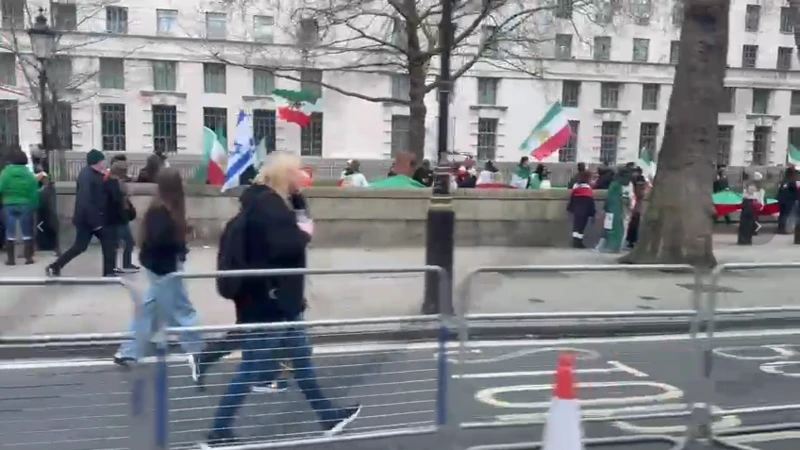
A Personal Reflection: Choosing Humanity First
In times like these, it becomes important to pause—not only to consume the news, but to feel what it means.
Every nation values dignity.
Every family values safety.
Every young person deserves opportunity instead of fear.
Standing with people during difficult times is not about choosing sides. It is about choosing humanity.
The world does not need more hatred. It needs more understanding.
The world does not need more division. It needs more compassion.
And above all, the world needs peace.
Because when humanity cries, every border disappears.
Author Profile

- I'm Farhat Sakeena, a certified English language teacher and proofreader with a BS Hons in English Language and Literature from Govt College University Faisalabad. Holding a 120-hour TEFL certification from World TESOL Academy, I've honed my skills in teaching English online and providing high-quality proofreading services. As a dedicated freelancer, I help students and professionals improve their language skills and refine their writing.
Latest entries
 World AffairsMarch 1, 2026When Humanity Cries: Seeing the Iran–Israel Tensions Through Human Eyes
 FeaturedOctober 22, 2025Nobody Cares in This Fast-Paced World—And That’s Okay: Embracing Emotional Independence in a Global Society
 Mental HealthAugust 21, 2025When Pressure Boils Over: The Quiet Roots of Aggression
 Women's RightsJuly 22, 2025Shattered Dreams and Broken Promises: The Unseen Suffering of Women Across the World
