

Table of Contents
The US-China relationship continues to be the defining bilateral dynamic in global affairs, shaping international trade, technological innovation, supply chain resilience, and geopolitical stability. Entering 2026, the ties between Washington and Beijing are characterized by a delicate balance following the turbulence of 2025. While the late-2025 trade truce brokered by President Donald Trump and President Xi Jinping has paused immediate escalations, underlying tensions over trade, Taiwan, technology, and third-party conflicts like Venezuela and Iran persist. Experts remain divided on the outlook, with surveys revealing deep uncertainty about whether cooperation or confrontation will dominate the year ahead. This post delves deeper into the historical context, recent developments, economic indicators, geopolitical flashpoints, expert analyses, and future scenarios to provide a comprehensive view.
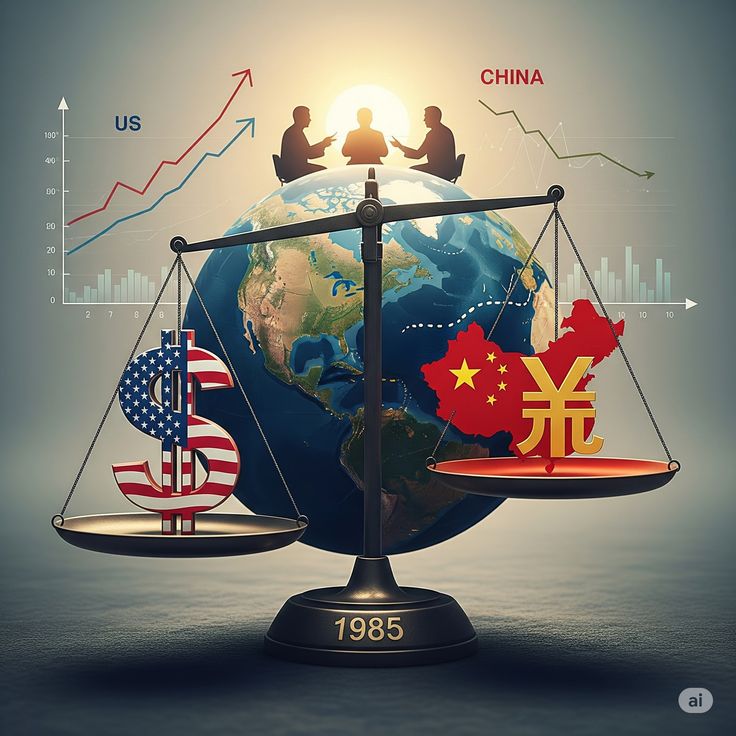
Historical Context: From Escalation to Truce in 2025
The year 2025 was marked by intense volatility in US-China relations. A renewed trade war dominated the agenda, with the US imposing tariffs on Chinese imports and export controls on advanced technologies, prompting China to retaliate with restrictions on rare earth minerals and other critical resources. These measures exposed vulnerabilities in global supply chains, forcing both nations to confront the high economic costs of decoupling. Geopolitical tensions escalated around Taiwan, where large-scale People’s Liberation Army (PLA) exercises simulated blockades, heightening fears of conflict. Additionally, disputes over the South China Sea and cyber intrusions further strained ties.
In a pivotal shift, Presidents Trump and Xi reached a one-year trade truce in October 2025 during their summit. This agreement paused tariff escalations, rolled back select export controls, and eased barriers in sectors like critical minerals and telecommunications. It acknowledged the mutual interdependence of the world’s two largest economies, where bilateral trade still exceeds $700 billion annually despite frictions. The deal was welcomed by business communities, including the US-China Business Council (USCBC) and the American Chamber of Commerce in China (AmCham China), which emphasized the need for sustained dialogue to rebuild trust after a decade of “experimenting with competition.”
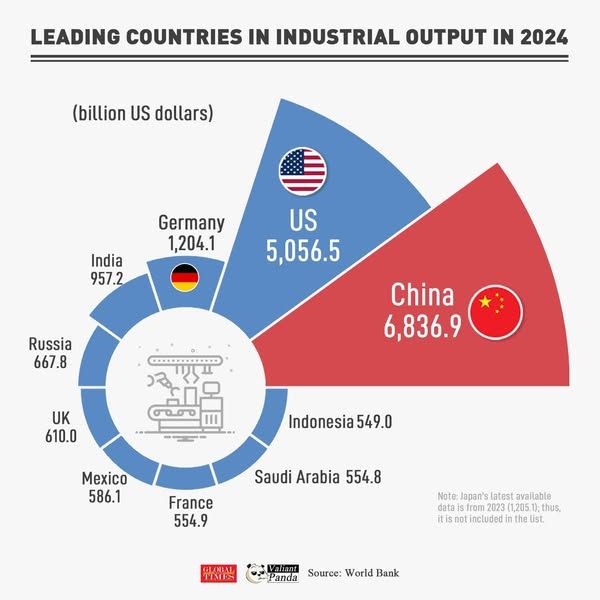
Key Economic Developments in Early 2026
As of mid-January 2026, economic indicators suggest cautious optimism, though challenges loom. China’s economy demonstrated resilience in 2025, with goods trade growing 3.8% year-on-year and a record trade surplus surpassing $1 trillion. Beijing continues to prioritize high-quality development, advancing innovations in AI, robotics, and intelligent manufacturing. The 15th Five-Year Plan, commencing in 2026, aims to boost self-reliance in science and technology while expanding high-standard opening-up measures. These include slashing the foreign investment negative list to 29 items, expanding pilot programs in value-added telecommunications and biotechnology, and offering zero-tariff treatment to Least Developed Countries.

On the US side, diplomatic efforts to sustain the truce are ongoing. In December 2025, Treasury Secretary Scott Bessent and Trade Representative Jamieson Greer held a video conference with Chinese Vice Premier He Lifeng, focusing on stable economic ties and key components of the October deal, such as prolonging tariff suspensions. President Trump’s planned visit to China in April 2026 is a major milestone, with business leaders like AmCham China’s James Zimmerman expressing hope for new dealmaking. However, slowing Chinese economic growth now ranks as the top concern for US firms in China, cited by 64% in recent surveys, overtaking bilateral relations.
Economic Indicators Table
To illustrate the economic interdependence, here’s a snapshot of key bilateral metrics as of early 2026:
| Metric | 2025 Value | Change from 2024 | Source |
|---|---|---|---|
| Bilateral Trade Volume | ~$700 billion | +3.8% (China’s overall goods trade) | Chinese Embassy Data |
| US Exports to China | $150-200 billion (est.) | Stable post-truce | USCBC Forecast |
| China Trade Surplus with US | Part of $1 trillion global surplus | Record high | Ambassador Xie Speech |
| Foreign Investment Negative List Items (China) | 29 | Reduced from prior years | PRC Foreign Ministry |
This table underscores the mutual benefits of stability, yet highlights vulnerabilities in sectors like critical minerals, where US moves in Greenland could exacerbate exclusionary practices.
Geopolitical Flashpoints and Risks
Despite economic progress, geopolitical risks threaten the truce. US actions in Venezuela, including a raid condemned by Beijing as a violation of international law, have drawn sharp criticism from China, which views them as “unilateral hegemonic bullying.” Similarly, Trump’s threat of 25% tariffs on countries trading with Iran has prompted China to warn that “tariff wars have no winners” and vow to protect its interests. These moves could indirectly strain US-China ties, especially if they lead to broader economic retaliation.
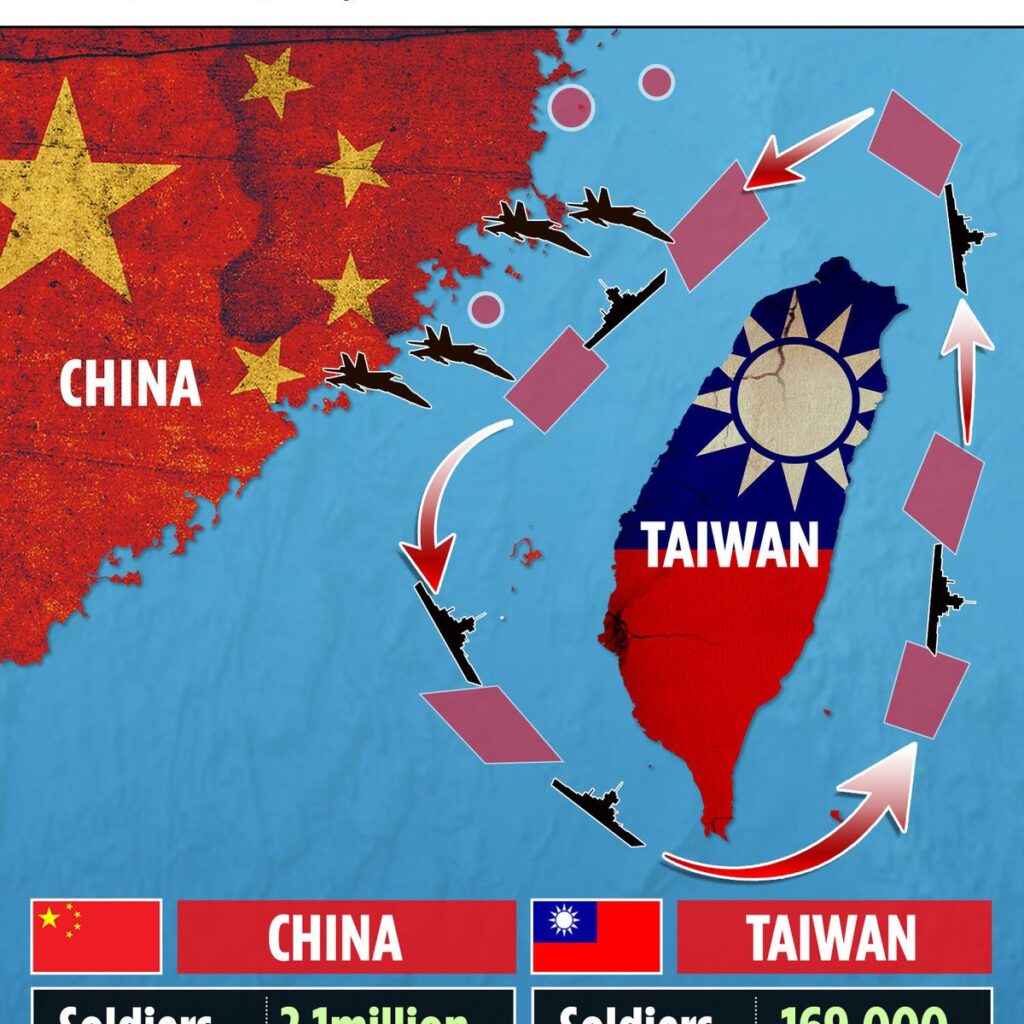
Taiwan remains a core flashpoint. The US Department of Defense’s 2025 China Military Power Report detailed PLA modernization and large-scale exercises simulating Taiwan blockades, posing significant threats to regional stability. China urges mutual respect for development paths and warns against unilateral actions. In Europe, Trump’s policies may create more space for Chinese influence, as US pressures on EU institutions risk alienating allies.
Lawmakers on Capitol Hill anticipate potential fractures in four key areas: trade disputes, Taiwan tensions, supply chain disruptions, and cyber intrusions. Congressional oversight will intensify in 2026, an election year, with bipartisan delegations planning visits to China ahead of Trump’s April trip.
Expert Opinions and Surveys
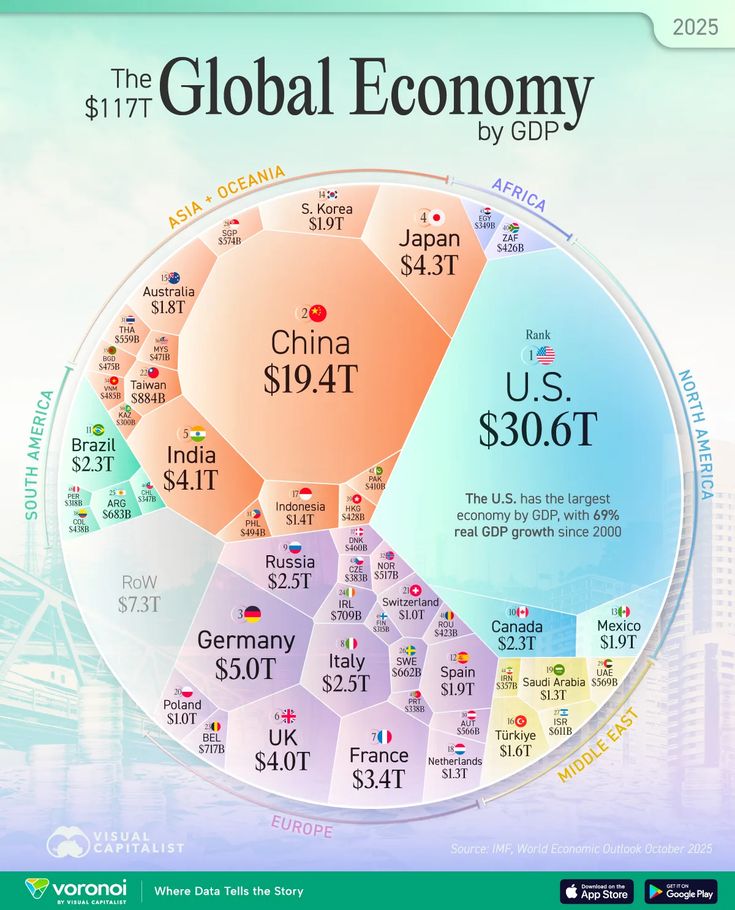
A recent CSIS survey of experts reveals divided views: while some see stabilization from the 2025 truce, others predict a surge in tensions. Ian Bremmer’s predictions highlight AI as a focal point, with US-China relations potentially more stable than expected to avoid economic ruin. On X (formerly Twitter), discussions emphasize the depth of interdependence, with Nvidia’s Jensen Huang noting layers of mutual dependencies beyond semiconductors. AmCham China surveys show economic slowdown as the primary business concern.
Ambassador Xie Feng has reiterated China’s sincerity in developing ties while upholding principles, calling for a fair environment for Chinese enterprises in the US.
Opportunities for Cooperation
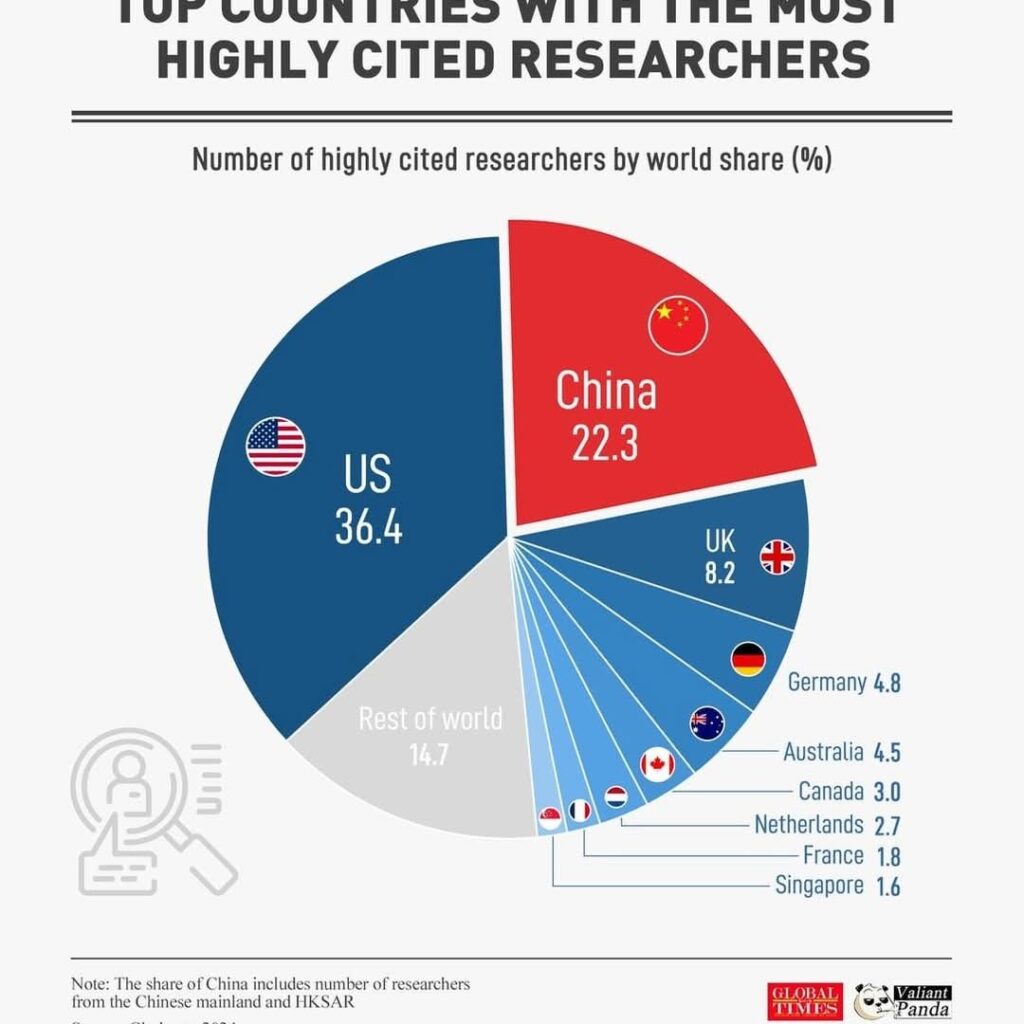
Amid risks, opportunities exist. China’s focus on innovation positions it as a global growth engine, with potential for collaboration in AI and technology despite competition. The USCBC’s Forecast 2026 event stresses navigating interdependence in US-China technology relations. Trump’s April visit could foster deals, particularly in trade and investment.
Outlook for 2026: Balancing Act Ahead
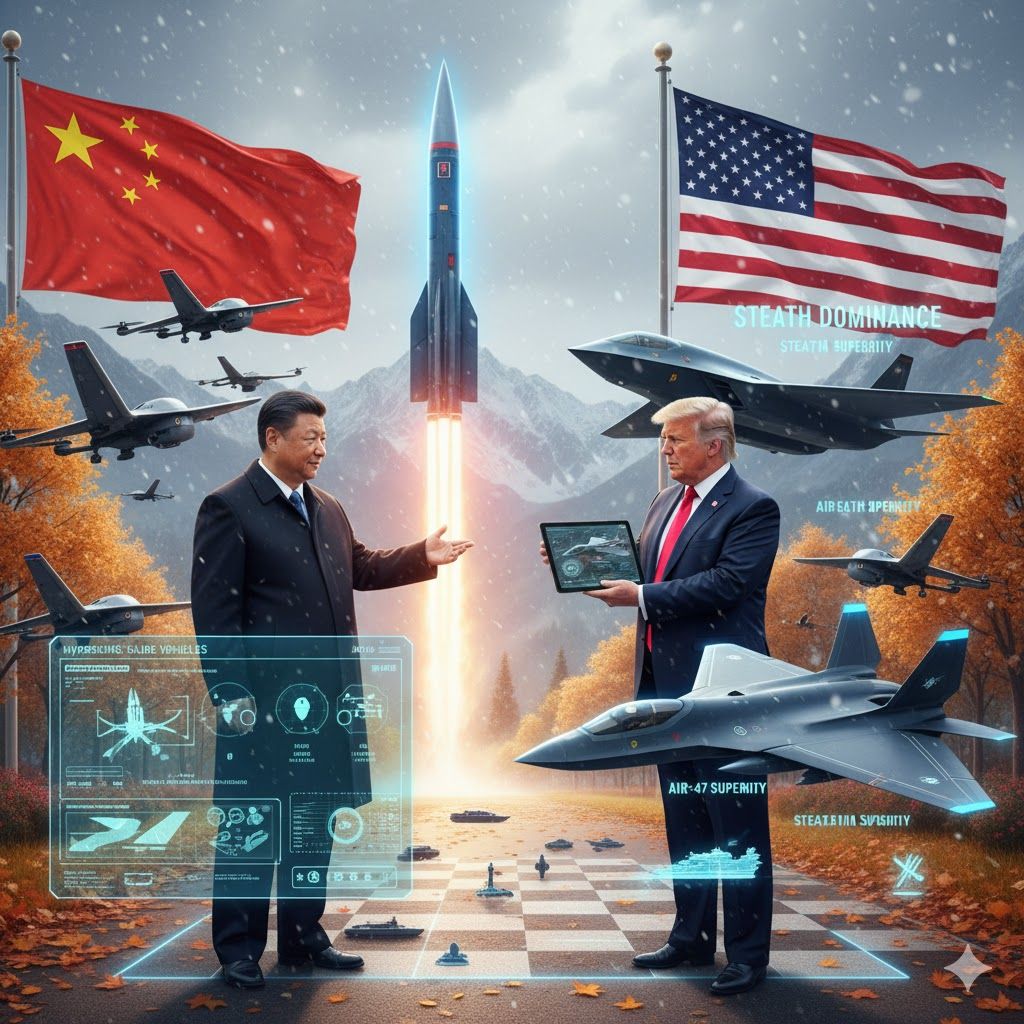
The trajectory of US-China relations in 2026 will depend on diplomatic engagements like Trump’s visit and congressional actions. While the 2025 truce provides a foundation, external pressures— from Venezuela to Taiwan—and domestic politics could test its limits. Both nations must prioritize principled dialogue to mitigate risks and leverage shared interests in economic growth and technological advancement. For global stakeholders, this relationship will define the international order, demanding balanced engagement.
Stay tuned for updates as events unfold in this critical year.
Author Profile

- Syed Tahir Abbas is a Master's student at Southwest University, Chongqing, specializing in international relations and sustainable development. His research focuses on U.S.-China diplomacy, global geopolitics, and the role of education in shaping international policies. Syed has contributed to academic discussions on political dynamics, economic growth, and sustainable energy, aiming to offer fresh insights into global affairs.
Latest entries
 GeopoliticsMarch 16, 2026Trump Warns NATO of a “Very Bad” Future Over Strait of Hormuz Security
 Middle East ConflictMarch 11, 2026Israel Strikes Iran and Lebanon, US Destroys Iranian Mine-Laying Ships as Tensions Escalate in the Middle East
 Middle East PoliticsMarch 9, 2026Mojtaba Khamenei Becomes Iran’s New Supreme Leader as Oil Prices Surge and Middle East War Escalates
 World PoliticsMarch 1, 2026Ayatollah Ali Khamenei: The Martyr Who Shook the World – A Criminal US-Israeli Aggression Against the Islamic Republic
1 comment
**mitolyn**
Mitolyn is a carefully developed, plant-based formula created to help support metabolic efficiency and encourage healthy, lasting weight management.