
Table of Contents
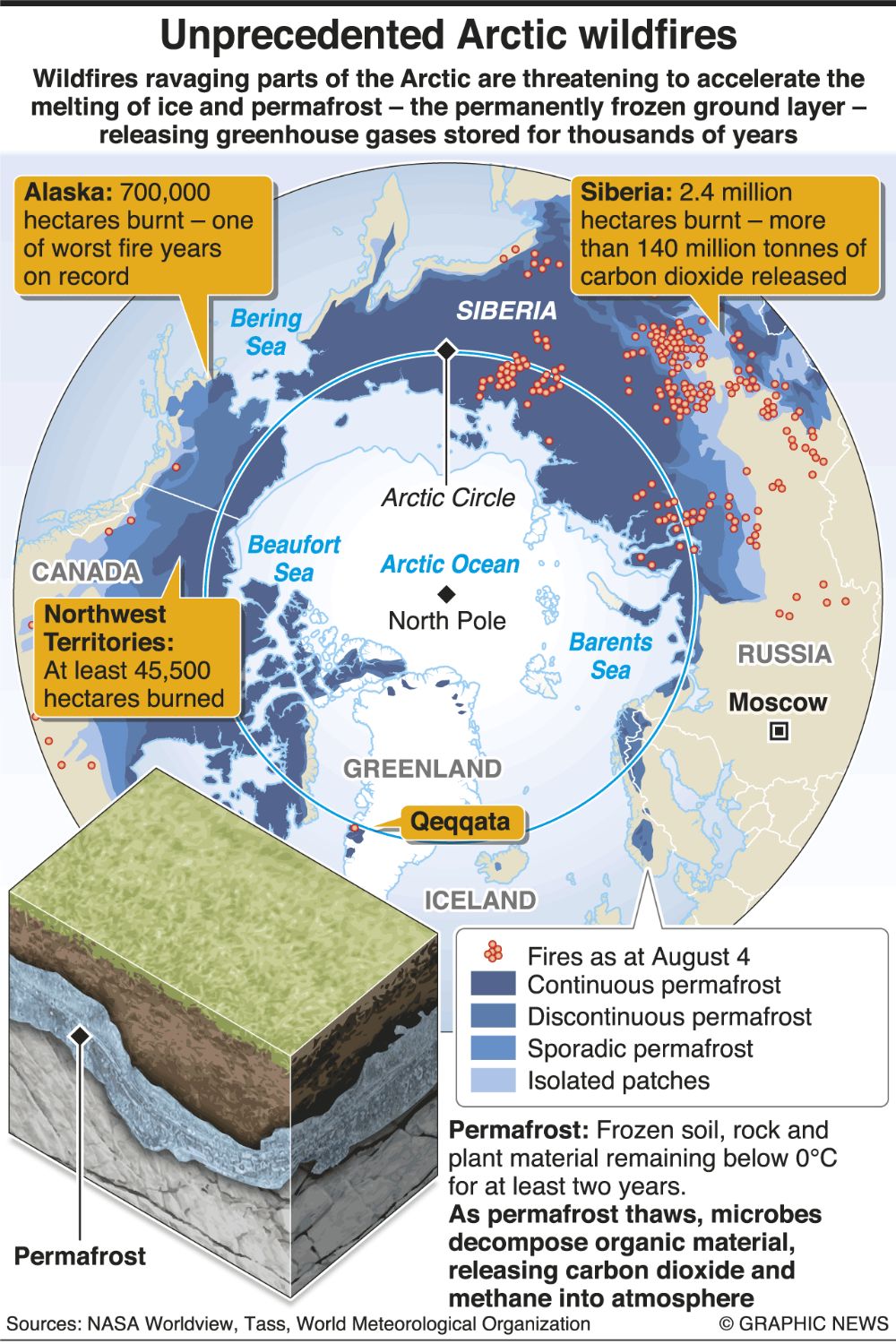
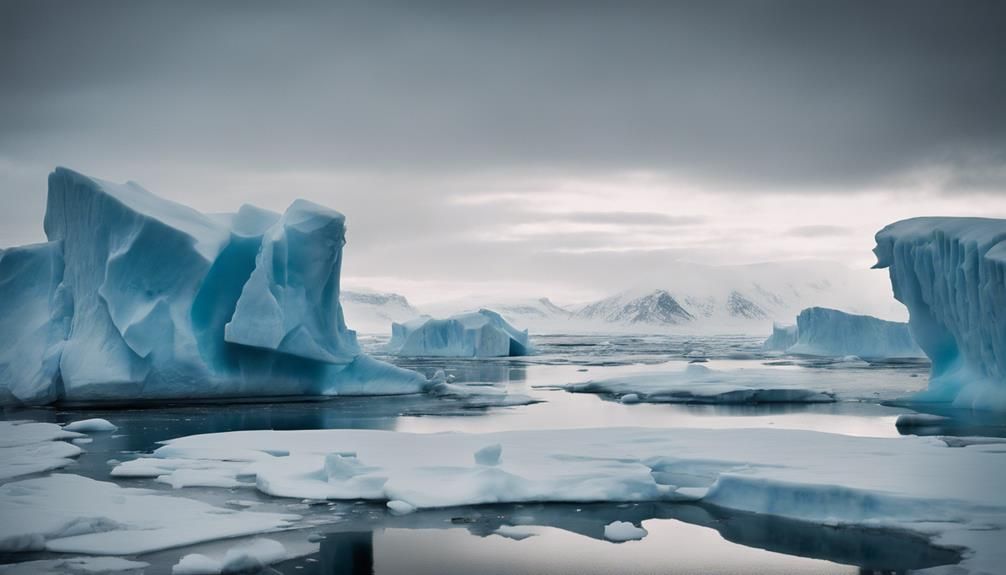
As global temperatures rise and the ice sheets in the Arctic continue to shrink, the region has become a focal point of geopolitical tension. For decades, the Arctic was considered a remote, inhospitable place, with little political or economic importance. However, with the melting of ice due to climate change, the Arctic has transformed into a region of significant interest—both strategically and economically.
The Arctic’s vast untapped natural resources, potential new shipping routes, and its geopolitical importance have sparked competition among major powers like the United States, Russia, Canada, and countries within the European Union. Despite its relative obscurity in popular discourse, the struggle for control over the Arctic is one of the most critical geopolitical issues of the 21st century. In this post, we will explore the historical background of Arctic geopolitics, the current situation, and the potential implications for international relations moving forward.
The Arctic and International Rivalries
Early Exploration and Sovereignty Claims
The Arctic region has long been a subject of exploration and speculation. In the early 20th century, Arctic nations—primarily Canada, Russia, and Norway—began to make sovereignty claims over various parts of the region. However, the lack of significant resources and the region’s remote nature meant that these claims largely went unchallenged for decades.
It wasn’t until the post-World War II period, with the rise of the Cold War, that the Arctic began to take on a more strategic role. The Soviet Union and the United States both recognized the Arctic’s importance as a potential staging ground for military forces and nuclear weapons, particularly for the control of shipping routes and access to the North Pole.

The Cold War and the Arctic
During the Cold War, the Arctic became an essential region for both the United States and the Soviet Union. The U.S. built early warning radar systems and missile defense bases in Alaska, while the Soviet Union established military bases in Siberia. The region was critical for both powers’ nuclear strategies, as the Arctic Ocean provided the shortest route for launching missiles from the Soviet Union to North America.
Post-Cold War and the International Legal Framework
After the collapse of the Soviet Union in 1991, the geopolitical importance of the Arctic continued to grow. With the end of the Cold War, the focus shifted toward the region’s natural resources, such as oil, gas, and minerals, and its potential as a new shipping lane due to climate change. In 2007, Russia famously planted a flag on the sea floor beneath the North Pole, symbolizing its territorial claim over the Arctic seabed—a bold move that attracted international attention.
In response to growing territorial disputes, the United Nations Convention on the Law of the Sea (UNCLOS), established in 1982, became a critical legal framework governing the division of the Arctic’s waters. UNCLOS established that nations can claim exclusive economic zones (EEZs) extending 200 nautical miles from their coasts, and countries can make extended claims beyond that if they can prove their continental shelf extends further. However, these claims often overlap, causing diplomatic tensions.
Current Situation: New Cold War in the Arctic?
Russia’s Expanding Presence
Russia has been the most assertive in the Arctic. Under President Vladimir Putin, Russia has made significant investments in the Arctic, including the construction of military bases, the re-establishment of a northern fleet, and the expansion of its Arctic shipping routes. Russia’s efforts to increase its dominance in the Arctic are seen as part of a broader strategy to assert control over natural resources and shipping lanes.
In 2014, Russia annexed Crimea, an act that drew international condemnation and led to sanctions. However, the Arctic remains a region where Russia continues to operate with relative impunity. In the past decade, Russia has expanded its military infrastructure, reopened Soviet-era bases, and is aggressively seeking to control the energy-rich continental shelf beneath the Arctic Ocean.
U.S. and NATO’s Strategic Interest
The United States, along with its NATO allies, is keenly aware of the growing Russian presence in the Arctic. The U.S. maintains a strong military presence in Alaska and has supported international agreements to ensure that the Arctic remains an open region for exploration and trade. While the U.S. has not ratified UNCLOS, it adheres to many of its provisions and has been active in Arctic discussions.
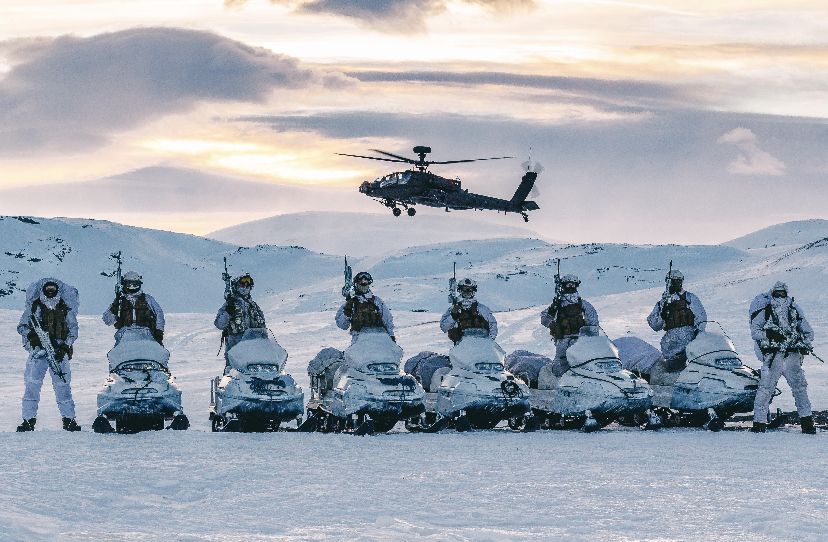
In recent years, NATO has increasingly focused on Arctic security, holding joint military exercises in the region and ramping up intelligence operations to monitor Russian activities. The U.S. Navy’s Arctic deployment and military drills in the region are part of the broader strategy to maintain a balance of power and prevent any single nation from dominating the region.
China’s Growing Interest
China, although not an Arctic nation, has also expressed increasing interest in the region. In 2018, China released its first Arctic Policy, claiming that the Arctic is a “global commons” and that it has an interest in developing the Northern Sea Route for international shipping. China has been investing in Arctic infrastructure, including establishing research stations in Greenland and Iceland and building partnerships with Russia and other Arctic states.
China’s growing presence in the Arctic has raised concerns among Arctic Council members, particularly the United States, as China’s economic influence could potentially challenge the political and security interests of Arctic nations.

The Strategic Importance of the Arctic: Resources and Shipping Routes
Natural Resources
The Arctic is estimated to hold about 13% of the world’s undiscovered oil and 30% of its natural gas reserves, making it a lucrative prize for the countries with claims in the region. As traditional energy sources deplete, the Arctic’s reserves are increasingly seen as vital for the future global energy market.
Russia, the U.S., and Canada have been particularly active in exploring and developing these resources, while also protecting their territorial claims. The melting ice is unlocking access to these reserves, further intensifying the competition.
New Shipping Routes
One of the most significant developments in Arctic geopolitics is the potential for new shipping routes due to climate change. The Northern Sea Route (NSR), which runs along Russia’s northern coast, has already begun to open up as the ice melts. This route provides a much shorter path between Europe and Asia, reducing shipping times and fuel costs. Similarly, the Northwest Passage across Canada is becoming navigable for longer periods, offering another key route for global trade.
The opening of these shipping lanes, however, has sparked concerns about environmental risks and the potential for territorial disputes. Countries are already vying for control over these routes, and the presence of foreign military vessels in these waters is increasingly common.
The Future of Arctic Geopolitics: Collaboration or Conflict?
The future of the Arctic is one of delicate balance. While international law and multilateral organizations like the Arctic Council encourage cooperation on issues like environmental protection and sustainable development, tensions over territorial claims and resource extraction are likely to continue.
Diplomacy and Cooperation
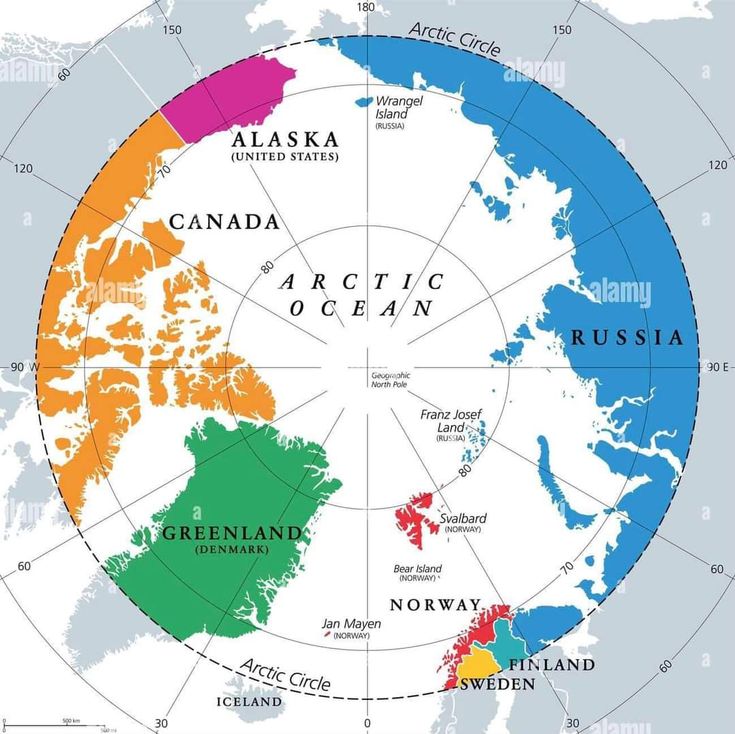
Despite the growing tensions, there are efforts to foster cooperation in the region. The Arctic Council, which includes eight Arctic states—Canada, Denmark, Finland, Iceland, Norway, Russia, Sweden, and the U.S.—has been instrumental in promoting dialogue and setting guidelines for the region’s sustainable development. Agreements on environmental protection, research collaboration, and maritime safety have been negotiated over the years, highlighting the potential for shared governance.
Potential for Conflict
However, competition for resources, access to shipping lanes, and national security concerns could escalate tensions. The Arctic has become a strategic battleground where nations are vying for dominance. The potential for conflict in this region, while still limited, is real. As the ice continues to melt, the stakes will only get higher.

Conclusion: A Critical Geopolitical Frontier
The struggle for the Arctic is far from a new issue, but its implications are more pressing than ever. With climate change accelerating the melting of the ice and opening up new frontiers for resource extraction and shipping, the region is becoming a crucial area of international competition. As countries like Russia, the U.S., Canada, and China expand their influence in the Arctic, the need for clear regulations, international collaboration, and peaceful conflict resolution has never been more critical.
The Arctic, with its vast resources and strategic importance, holds the potential to reshape global geopolitics in the years to come. How nations approach the region in the coming decade will not only determine the future of the Arctic but also set the tone for international relations and cooperation in the age of climate change.
Author Profile

- Syed Tahir Abbas is a Master's student at Southwest University, Chongqing, specializing in international relations and sustainable development. His research focuses on U.S.-China diplomacy, global geopolitics, and the role of education in shaping international policies. Syed has contributed to academic discussions on political dynamics, economic growth, and sustainable energy, aiming to offer fresh insights into global affairs.
Latest entries
 GeopoliticsMarch 16, 2026Trump Warns NATO of a “Very Bad” Future Over Strait of Hormuz Security
 Middle East ConflictMarch 11, 2026Israel Strikes Iran and Lebanon, US Destroys Iranian Mine-Laying Ships as Tensions Escalate in the Middle East
 Middle East PoliticsMarch 9, 2026Mojtaba Khamenei Becomes Iran’s New Supreme Leader as Oil Prices Surge and Middle East War Escalates
 World PoliticsMarch 1, 2026Ayatollah Ali Khamenei: The Martyr Who Shook the World – A Criminal US-Israeli Aggression Against the Islamic Republic
1 comment
**prodentim**
ProDentim is a distinctive oral-care formula that pairs targeted probiotics with plant-based ingredients to encourage strong teeth, comfortable gums, and reliably fresh breath.