
Table of Contents
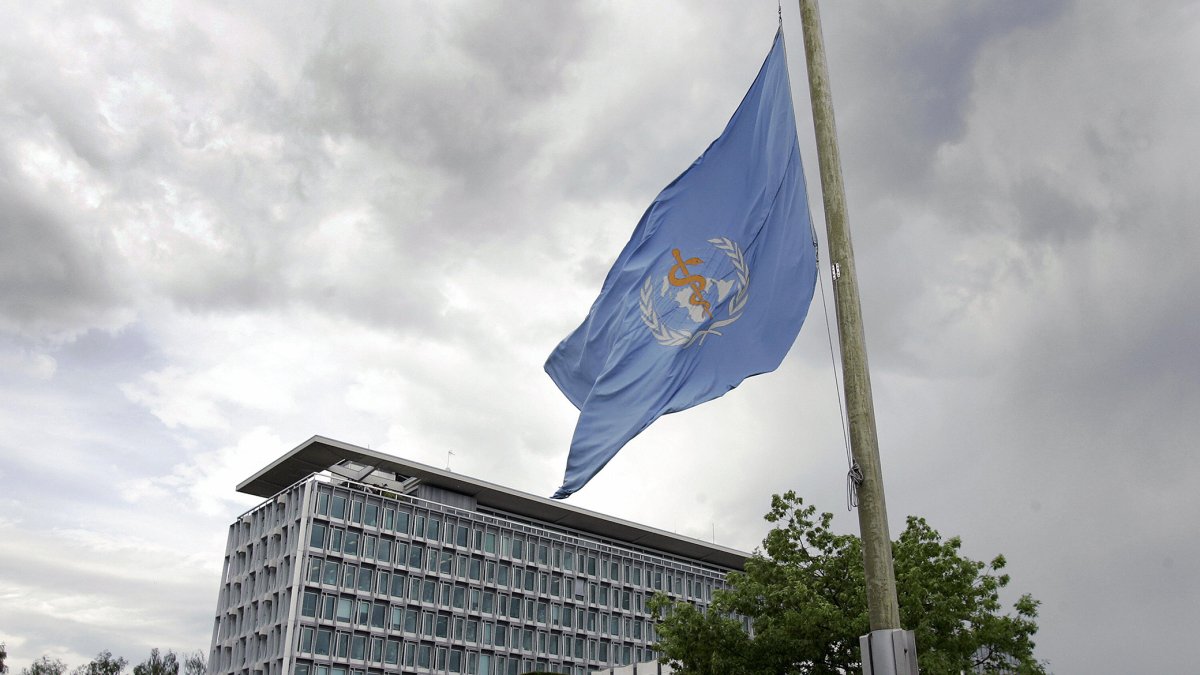
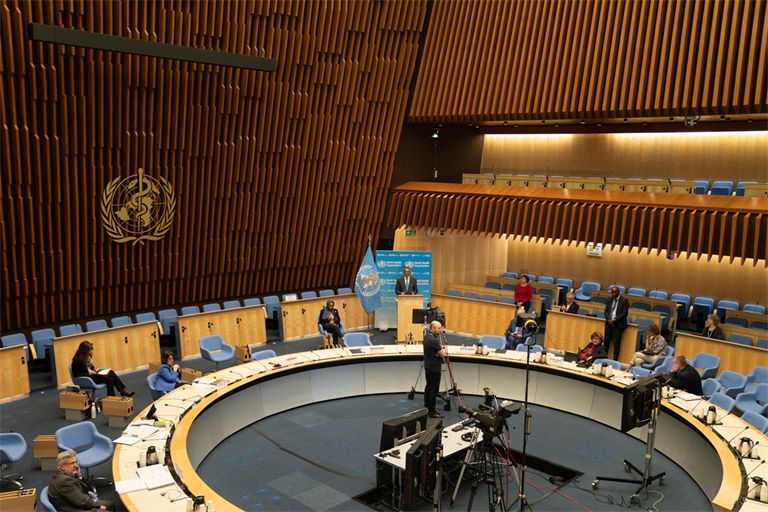
The United States is on the brink of withdrawing from the World Health Organization (WHO), but this decision marks not an end, but a beginning. The world of global health is evolving, and this shift presents an opportunity to reshape the future of health governance on the global stage. The U.S. departure from the WHO could have far-reaching consequences, not just for Americans, but for the entire world. While the decision may seem like a break from multilateralism, it’s a crucial moment for recalibrating how the U.S. engages with global health institutions.

Understanding the U.S. Withdrawal from the WHO
In a dramatic policy shift, President Trump issued an executive order in January 2025, signaling the end of the U.S.’s formal relationship with the World Health Organization. As the process of withdrawal continues, it serves as a powerful reminder of the political tensions surrounding multilateral health organizations. The withdrawal, following a prolonged period of U.S. dissatisfaction with the WHO’s handling of the COVID-19 pandemic, has generated substantial debate about the effectiveness of such global institutions.

The decision to leave the WHO stems from several factors:
- Frustration with the WHO’s Response to the Pandemic: Many critics argue that the WHO was too slow to respond to the global COVID-19 crisis and that its initial alignment with China undermined its credibility.
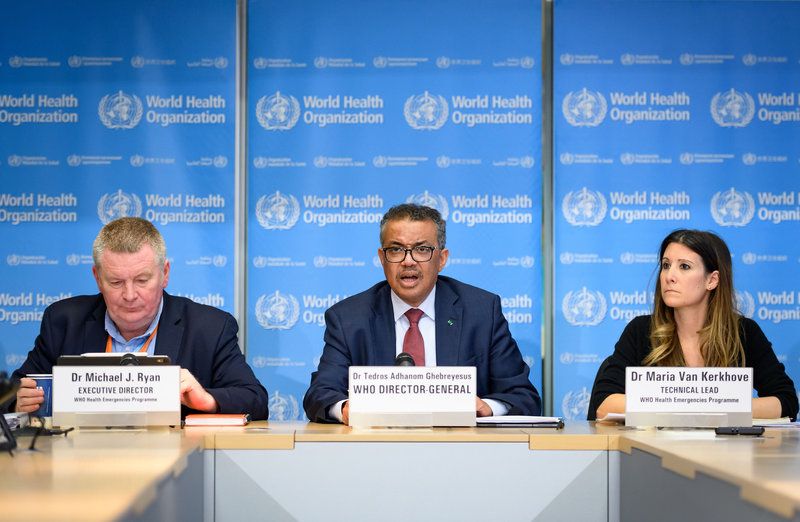
- Concerns Over WHO Leadership: The leadership of Director-General Dr. Tedros Adhanom Ghebreyesus has faced intense scrutiny, particularly regarding his relationship with China.
- A Broader Shift Toward Nationalism: The U.S. administration’s broader “America First” stance has called into question the effectiveness of multilateral institutions, including the WHO, in addressing global health challenges.
However, while the United States may leave the organization for now, this article posits that this decision is not irreversible. The U.S. still holds significant stakes in the future of global health governance.

What Comes After the U.S. Withdrawal?
The United States will not withdraw from global health—it will simply reframe its approach. The question now is: how can the U.S. shape the future of the WHO and international health policy without compromising its interests?
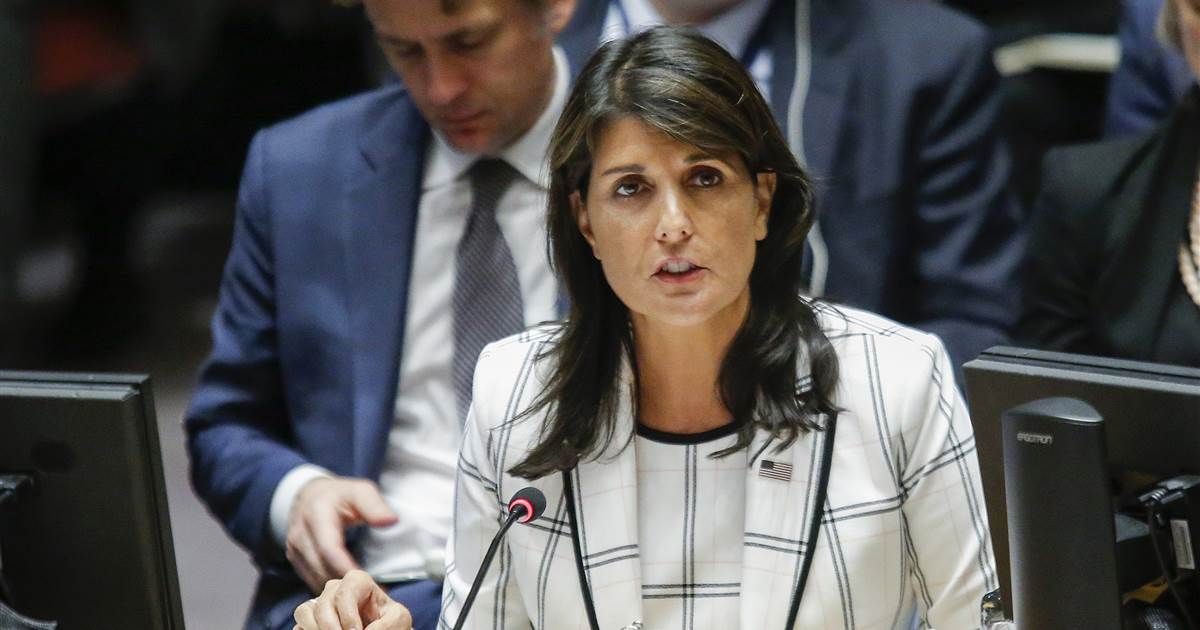
Here’s a roadmap for U.S. engagement:
1. Rebuilding U.S. Influence within Global Health Governance
Although the U.S. is pulling out of the WHO, it remains a critical player in the global health landscape. One of the first steps for the U.S. post-withdrawal should be a strategy to influence the selection of the next WHO Director-General. The selection of a new leader in 2027 will be pivotal, and the U.S. must push for a candidate who can commit to necessary reforms while prioritizing the values and goals aligned with American interests.
The Path Forward:
- Engage Diplomatically: The U.S. must work closely with its allies, particularly from emerging economies such as Saudi Arabia, Qatar, Indonesia, and Brazil, to form a consensus around a candidate who understands the need for reform in the WHO.
- Prevent Dominance by China and Russia: Left unchecked, these nations could push for a WHO leader who favors their own political agendas. U.S. engagement will be crucial in ensuring a more balanced, reform-oriented selection process.
2. Defining the Next Reform Agenda for the WHO
With its decision to withdraw, the Trump administration has effectively created leverage to demand reforms within the WHO. However, to maximize this opportunity, the U.S. must clearly articulate what specific reforms it seeks. Key areas for reform include:
- Transparency and Efficiency: Streamlining the WHO’s bureaucratic processes and increasing the speed at which new medical products and treatments are approved.
- Global Health Surveillance: Strengthening the WHO’s capacity to monitor and respond to health crises, especially in regions with limited oversight.
- Improved Cooperation with U.S. Biopharma: Modernizing the WHO’s prequalification process to better support U.S. pharmaceutical and medical manufacturers who play a crucial role in global health.
In recent years, the WHO has taken steps toward reform, such as reducing its budget and workforce. These moves have been seen as positive, but they are just the beginning. Further action is required to ensure the organization can meet the challenges of the next decade.
3. Enhancing U.S. Bilateral Health Agreements
Even as it steps back from the WHO, the U.S. should continue fostering bilateral health agreements, particularly in low- and middle-income countries where the WHO has the most influence. The U.S. should look to enhance its global health strategy by:
- Supporting Regional Partnerships: Strengthening collaborations with over 70 countries to enhance surveillance, response to outbreaks, and health infrastructure.
- Empowering CDC Offices: Increasing U.S. presence in key regions with CDC offices and other health attachés to bolster national and regional health security.
These bilateral agreements, while important, cannot replace the WHO’s global reach and capabilities. It is crucial that the U.S. maintains a strong, positive relationship with the organization, particularly for outbreaks that cross borders and affect global health.
4. Restoring U.S. Funding and Leadership within the WHO
The U.S. must consider the long-term goal of rejoining the WHO under better terms. Congress should lay the groundwork for this by signaling its intent to restore funding for the WHO in exchange for meaningful reforms. This would not only demonstrate the U.S.’s commitment to global health leadership but also ensure that the WHO is better equipped to address future health emergencies.
Key Actions:
- Linking Funding to Reform: Any future U.S. funding should be tied to concrete reforms in WHO operations and governance.
- Preparing for U.S. Re-engagement: As the U.S. approaches the potential restoration of its membership in 2027, it should begin a process of engagement with WHO members and leadership to ensure a smooth transition.
Conclusion: A Global Health System Reimagined
The United States’ exit from the WHO is not the final chapter in its relationship with global health. In fact, it’s the beginning of a critical period of reflection and reform. While this decision has raised questions about the future of multilateralism, it also offers a unique opportunity to reshape the global health system in a way that better aligns with U.S. priorities and values.
The path forward requires a thoughtful, strategic approach that balances U.S. interests with global health needs. By carefully engaging with international partners, driving reform within the WHO, and strengthening bilateral health agreements, the U.S. can help shape a more effective and responsive global health system for the future.
Author Profile

- Syed Tahir Abbas is a Master's student at Southwest University, Chongqing, specializing in international relations and sustainable development. His research focuses on U.S.-China diplomacy, global geopolitics, and the role of education in shaping international policies. Syed has contributed to academic discussions on political dynamics, economic growth, and sustainable energy, aiming to offer fresh insights into global affairs.
Latest entries
 GeopoliticsMarch 16, 2026Trump Warns NATO of a “Very Bad” Future Over Strait of Hormuz Security
 Middle East ConflictMarch 11, 2026Israel Strikes Iran and Lebanon, US Destroys Iranian Mine-Laying Ships as Tensions Escalate in the Middle East
 Middle East PoliticsMarch 9, 2026Mojtaba Khamenei Becomes Iran’s New Supreme Leader as Oil Prices Surge and Middle East War Escalates
 World PoliticsMarch 1, 2026Ayatollah Ali Khamenei: The Martyr Who Shook the World – A Criminal US-Israeli Aggression Against the Islamic Republic
19 comments
**men balance**
MEN Balance Pro is a high-quality dietary supplement developed with research-informed support to help men maintain healthy prostate function.
**aquasculpt**
aquasculpt is a premium metabolism-support supplement thoughtfully developed to help promote efficient fat utilization and steadier daily energy.
**herpafend**
Herpafend is a natural wellness formula developed for individuals experiencing symptoms related to the herpes simplex virus. It is designed to help reduce the intensity and frequency of flare-ups while supporting the bodys immune defenses.
**prodentim**
ProDentim is a distinctive oral-care formula that pairs targeted probiotics with plant-based ingredients to encourage strong teeth, comfortable gums, and reliably fresh breath
**mounja boost**
MounjaBoost is a next-generation, plant-based supplement created to support metabolic activity, encourage natural fat utilization, and elevate daily energywithout extreme dieting or exhausting workout routines.
**prostafense official**
ProstAfense is a premium, doctor-crafted supplement formulated to maintain optimal prostate function, enhance urinary performance, and support overall male wellness.
**boostaro reviews**
Boostaro is a purpose-built wellness formula created for men who want to strengthen vitality, confidence, and everyday performance.
**neurosharp official**
Neuro Sharp is an advanced cognitive support formula designed to help you stay mentally sharp, focused, and confident throughout your day.
**back biome**
Mitolyn is a carefully developed, plant-based formula created to help support metabolic efficiency and encourage healthy, lasting weight management.
**prostafense**
ProstAfense is a premium, doctor-crafted supplement formulated to maintain optimal prostate function, enhance urinary performance, and support overall male wellness.
**prodentim**
ProDentim is a distinctive oral-care formula that pairs targeted probiotics with plant-based ingredients to encourage strong teeth, comfortable gums, and reliably fresh breath.
**boostaro**
Boostaro is a purpose-built wellness formula created for men who want to strengthen vitality, confidence, and everyday performance.
**citrus burn**
CitrusBurn is a Mediterranean-inspired thermogenic formula created to support a naturally slower metabolism, encourage efficient fat utilization.
**insuleaf**
InsuLeaf is a high-quality, naturally formulated supplement created to help maintain balanced blood glucose, support metabolic health, and boost overall vitality.
**prime biome**
The bodys natural process of skin cell renewal is essential for preserving a smooth, healthy, and youthful-looking complexion.
**prostapeak**
Prosta Peak is a high-quality prostate wellness supplement formulated with a comprehensive blend of 20+ natural ingredients and essential nutrients to support prostate health
**manergy**
Manergy is an advanced male vitality supplement created to help support healthy testosterone levels
**gl pro**
GL Pro is a natural dietary supplement formulated to help maintain steady, healthy blood sugar levels while easing persistent sugar cravings.
**mounja boost**
MounjaBoost is a next-generation, plant-based supplement created to support metabolic activity, encourage natural fat utilization