
Table of Contents
As we step into 2026, the global political landscape is undergoing rapid and profound changes. The world we once knew is transforming due to a confluence of factors, including technological advances, shifting geopolitical power, environmental crises, and the growing impact of social movements. The political, economic, and social order is being reshaped in ways that will define the future. Understanding these trends is crucial, not just for policymakers, but for anyone interested in the future of global affairs.
In this post, we explore some of the most important trends that are shaping the global political environment and what they mean for the years to come.
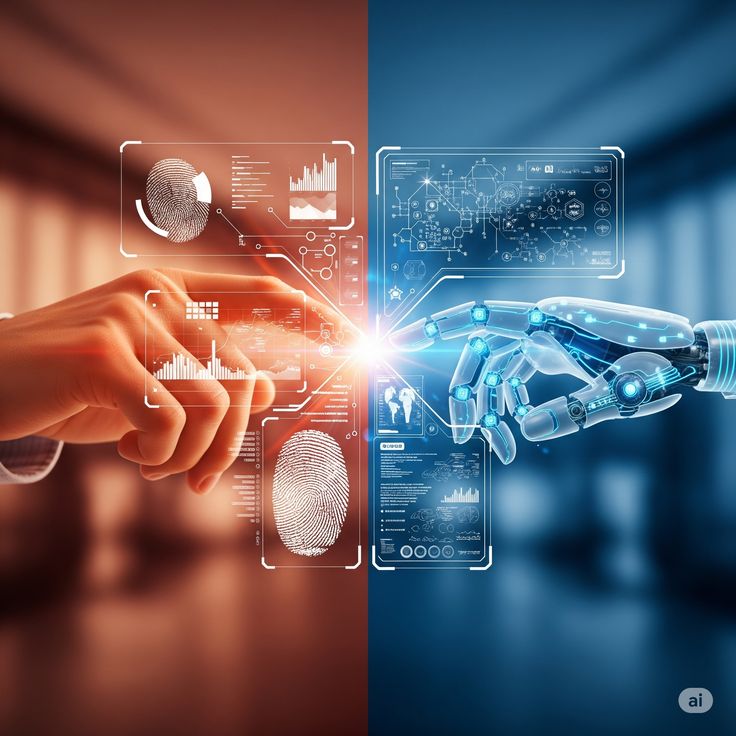
1. The Rise of Technological Diplomacy: Navigating a Digital Future
In the 21st century, technology is no longer just a tool; it’s a driving force in global diplomacy. Social media platforms, AI, and data-driven decision-making are transforming the way countries interact with each other and how they manage their domestic and international affairs.
Tech Diplomacy and Social Media:
Social media has emerged as a powerful diplomatic tool, allowing leaders to communicate directly with the public and influence international conversations. Countries can now engage with their citizens and the global community in real time. However, with this direct communication comes the risk of misinformation, disinformation, and digital warfare. The rise of “tech diplomacy” — where digital tools become central to diplomatic strategy — will continue to play a critical role in shaping political alliances and conflicts in 2026.

Cybersecurity as a Global Priority:
As global economies and critical infrastructures become increasingly digital, cybersecurity threats are at the forefront of national security agendas. Cyberattacks have already been used to disrupt elections, steal sensitive data, and destabilize governments. In the coming years, countries will intensify their focus on building robust cyber defenses while also working to establish international norms and treaties around cyber warfare.
Image suggestion: A digital world map with connected nodes symbolizing cyber interactions or world leaders engaging via video calls.

2. The Multipolar World Order: Shifting Global Power
The political landscape of the past several decades has been dominated by the United States as a single superpower. However, this unipolar world order is quickly giving way to a more complex, multipolar system. Nations like China, India, Russia, and the European Union are emerging as global powers with the ability to shape international politics on their own terms.
China’s Growing Influence:
China’s Belt and Road Initiative (BRI) is transforming global trade and political dynamics, particularly across Asia, Africa, and Europe. Through massive infrastructure investments and partnerships, China is forging new economic alliances and positioning itself as a central figure in global governance. This shift is creating tensions with Western powers, especially the United States, as each country jostles for influence on the world stage.
The European Union’s Role:
The European Union (EU) has become a powerful political entity in its own right, with its own unique challenges and opportunities. As Europe faces the challenges of rising nationalism and Brexit’s aftermath, the EU is looking for ways to maintain its unity and increase its global influence, particularly in trade, climate policy, and security.
The Rise of India and Other Regional Powers:
India’s economic rise, along with other emerging economies, is reshaping the global order. The Indian subcontinent is becoming a hub for global trade, innovation, and diplomacy. In regions like Africa and Latin America, countries are pushing back against the traditional dominance of the West and are forging new paths of development and governance.
Image suggestion: A world map showing regional powers like China, India, Russia, and the EU, with highlighted trade routes and diplomatic partnerships.
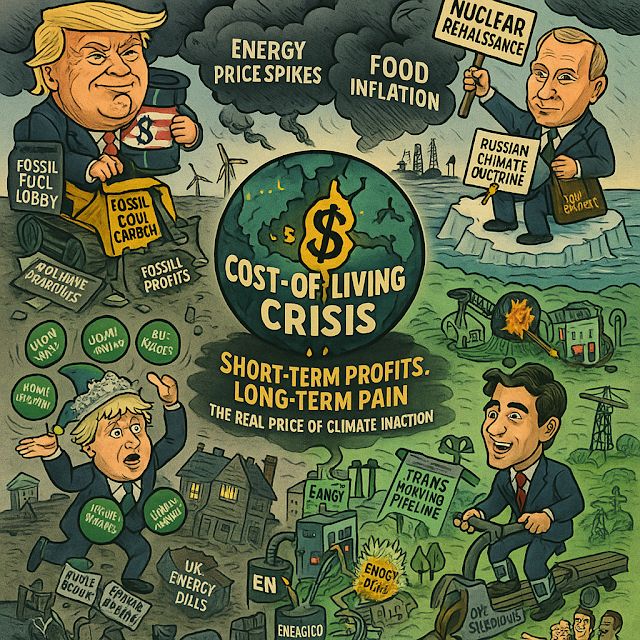
3. Environmental Politics and Climate Change: The Global Fight for Sustainability
Climate change is no longer a distant issue; it’s a defining challenge of our time. As the environmental crisis deepens, it has become an inseparable part of global politics, reshaping international relations, policies, and even economies.
International Climate Agreements and Rising Activism:
The Paris Agreement, which set the target of limiting global warming to below 2°C, is at the center of climate diplomacy. Yet, global emissions continue to rise, and the world is not on track to meet these targets. With extreme weather events becoming more frequent, countries are under increasing pressure to take decisive action.
Environmental movements, particularly led by youth activists, are driving change on the streets and in the halls of power. Greta Thunberg, Extinction Rebellion, and other climate activists have created a new wave of global environmental consciousness. Governments are responding with more stringent policies on carbon emissions, renewable energy, and sustainability, but much more needs to be done.
Green Economies and Sustainable Development:
In response to these pressures, countries are increasingly turning to green technologies as both a solution to climate change and an economic opportunity. The global shift towards a green economy, where sustainability drives growth, will play a central role in shaping economic policies. Nations with renewable energy resources and green technologies will have a competitive advantage, while those lagging behind risk falling further into political and economic instability.
Image suggestion: A powerful image of the Earth from space showing environmental changes, or a photo of a renewable energy project like wind farms or solar panels.
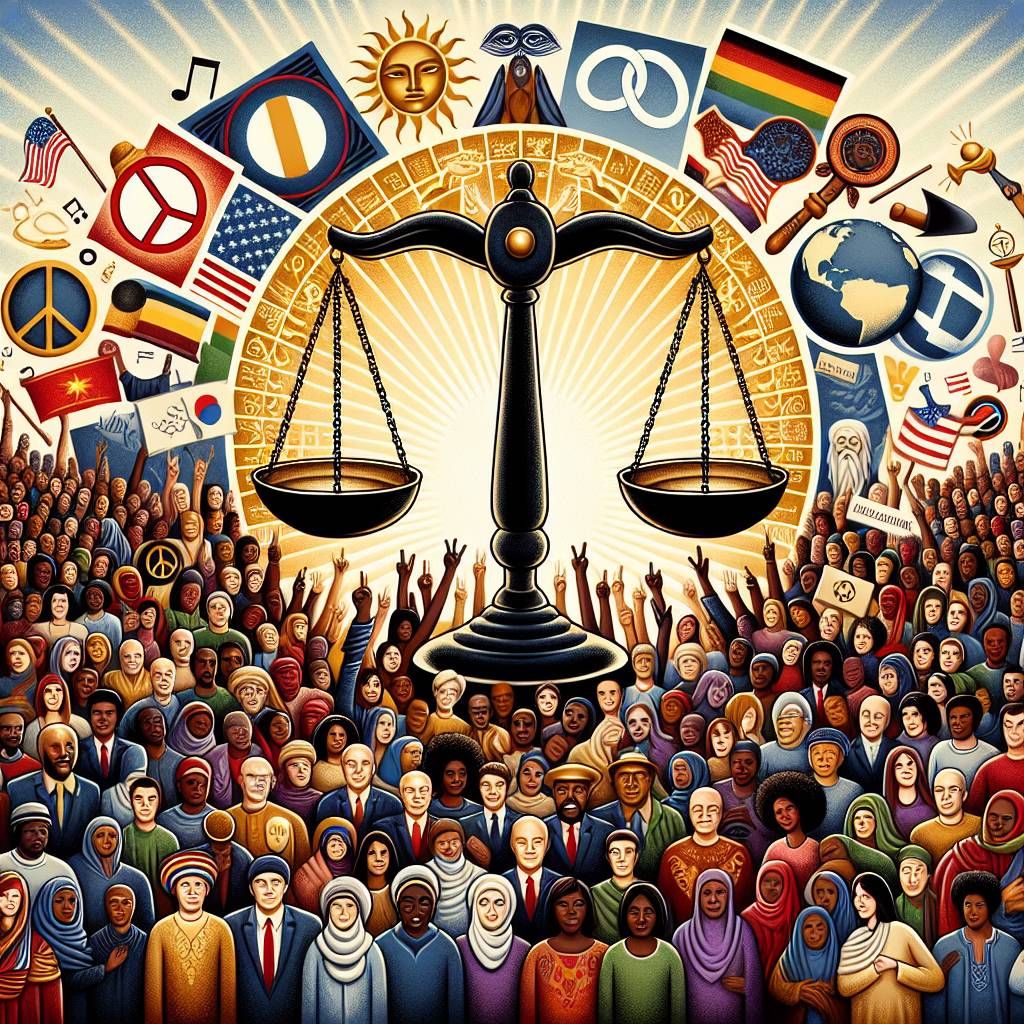
4. The Rise of Social Movements: Changing the Face of Governance
Social movements have always been part of political history, but today they have unprecedented power. Movements related to racial justice, gender equality, LGBTQ+ rights, and economic justice are transforming political debates and forcing governments to confront systemic inequalities.
Digital Activism and Global Movements:
In 2026, social media and digital platforms continue to be instrumental in organizing, advocating, and mobilizing large-scale global movements. The #BlackLivesMatter movement, for example, gained traction worldwide, and similar movements for justice, equality, and human rights are now being amplified across platforms like Twitter, Instagram, and TikTok.
Shifting Attitudes on Human Rights:
Human rights issues are no longer limited to national borders. Global movements and campaigns are pressuring governments to uphold human rights standards, particularly in authoritarian regimes where freedom of speech, press, and assembly are often restricted. The political power of these movements is undeniable, and we are seeing major shifts in policies regarding refugees, asylum seekers, and racial and gender equality.
Image suggestion: Protesters holding signs for racial equality or a photo of a diverse group of people advocating for human rights.

5. The Future of Global Trade Agreements: Navigating Uncertainty
The global trade environment is becoming increasingly uncertain, as countries move toward protectionist policies, trade wars, and economic nationalism. However, this shift is also giving rise to new types of trade agreements that reflect the changing needs of the global economy.
Trade Wars and Protectionism:
With the rise of populist leaders and a backlash against globalization, trade protectionism is on the rise. The U.S.-China trade war, Brexit, and other regional tensions have forced many countries to reconsider their international trade relationships. In 2026, global trade agreements will need to balance national interests with international cooperation.
Sustainable Trade and Fair Trade Principles:
In response to growing concerns about climate change, workers’ rights, and economic inequality, we are also seeing a push toward sustainable trade practices. Fair trade agreements that prioritize environmental sustainability, ethical labor practices, and social equity will become more prominent, reshaping the global economy.
Image suggestion: A photograph of a trade summit, with leaders shaking hands, or a visual of goods being traded globally, with icons representing sustainable trade practices.
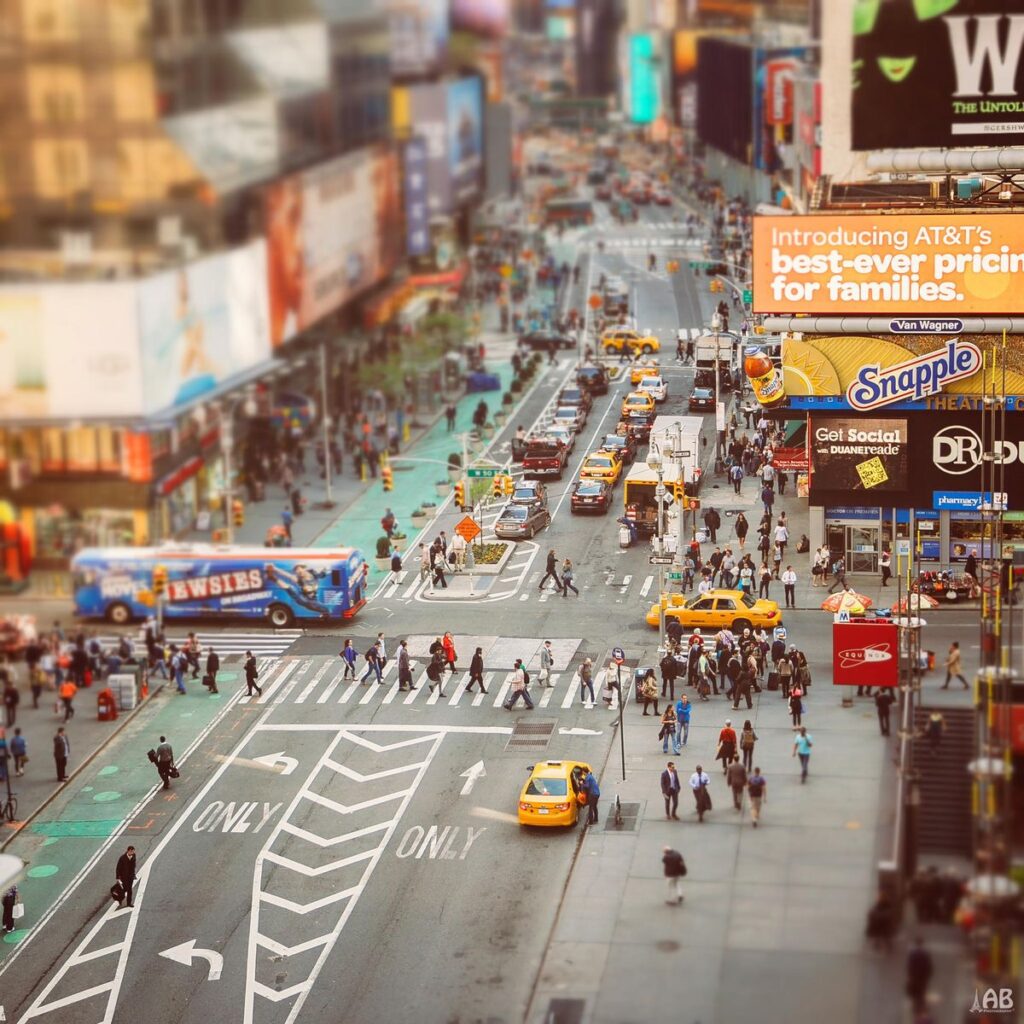
Conclusion: A Shifting World, A Shared Future
The world of 2026 promises to be one of transformation and challenge, as new global trends emerge in technology, geopolitics, climate change, social movements, and trade. While the future is uncertain, one thing is clear: cooperation and innovation will be crucial to overcoming the challenges ahead.
As citizens of a rapidly evolving world, it is our responsibility to stay informed and engaged. Whether you’re a policymaker, an activist, or simply a concerned global citizen, understanding these trends will help us shape a more equitable, sustainable, and peaceful world.
We encourage you to stay informed, join the conversations around these important issues, and help drive positive change in your communities.
Closing Note: For regular updates and insights on global politics, subscribe to our newsletter and follow us on social media for in-depth analysis of the trends that are shaping our world.
Author Profile

- Syed Tahir Abbas is a Master's student at Southwest University, Chongqing, specializing in international relations and sustainable development. His research focuses on U.S.-China diplomacy, global geopolitics, and the role of education in shaping international policies. Syed has contributed to academic discussions on political dynamics, economic growth, and sustainable energy, aiming to offer fresh insights into global affairs.
Latest entries
 GeopoliticsMarch 29, 2026China’s Maritime Militia in the South China Sea – Record Deployment, Fishing Realities, or Strategic Gray-Zone Tactics?
 GeopoliticsMarch 16, 2026Trump Warns NATO of a “Very Bad” Future Over Strait of Hormuz Security
 Middle East ConflictMarch 11, 2026Israel Strikes Iran and Lebanon, US Destroys Iranian Mine-Laying Ships as Tensions Escalate in the Middle East
 Middle East PoliticsMarch 9, 2026Mojtaba Khamenei Becomes Iran’s New Supreme Leader as Oil Prices Surge and Middle East War Escalates
2 comments
**prostafense**
ProstAfense is a premium, doctor-crafted supplement formulated to maintain optimal prostate function, enhance urinary performance, and support overall male wellness.
**boostaro**
Boostaro is a purpose-built wellness formula created for men who want to strengthen vitality, confidence, and everyday performance.