
Table of Contents
History is not only about dates and events, it is about lessons that guide human life across generations. One of the most powerful lessons ever recorded is the stand taken by Imam Husayn ibn Ali in Karbala. His message was simple yet revolutionary: Never surrender in front of injustice when you are standing for truth.
The story of Karbala is not just a religious narrative; it is a universal human message about courage, dignity, and moral responsibility. Imam Hussain did not fight for power, wealth, or status. He stood against oppression because silence in front of wrongdoing would have meant the death of justice itself. Even when he knew the odds were impossible, he chose honor over comfort, sacrifice over compromise.
This message remains alive today, not only in history books or religious gatherings, but in everyday life: in schools, colleges, universities, workplaces, and society at large.
Truth Requires Courage, Not Numbers
One of the most remarkable aspects of Karbala is that Imam Hussain and his companions were very few, yet their impact became eternal. This teaches us a powerful principle: truth is not measured by numbers; it is measured by conviction.

In modern society, people often hesitate to speak against wrong because they fear isolation, criticism, or loss of opportunity. Many students stay silent when they see cheating in exams. Employees remain quiet when they witness unfair practices at work. Citizens ignore corruption because they believe their voice will not matter.
But Karbala teaches the opposite.
When Imam Hussain stood for truth, he did not ask, “How many people are with me?” He asked, “Am I standing on the right path?”
This mindset transforms ordinary individuals into extraordinary examples.
Living Like Ali: The Character Behind the Courage
Courage does not appear suddenly, it is built through character. The personality of Ali ibn Abi Talib is one of the greatest models of justice, honesty, and moral strength. His life teaches that standing for truth begins with personal integrity.
Living like Ali means:
- Being honest even when lying would benefit you
- Helping others without expecting recognition
- Choosing fairness over favoritism
- Controlling anger and responding with wisdom
- Protecting the weak and speaking for those who cannot speak
If character is strong, courage becomes natural.
Today, society often celebrates success but forgets values. Students are pressured to get marks at any cost. Professionals are pushed to achieve financial growth even through unethical shortcuts. Social media promotes image more than substance.
But the message of Ali reminds us that real success is moral success.

Dying Like Hussain: The Meaning of Sacrifice
The phrase “Live like Ali and die like Hussain” is not about physical death, it is about moral commitment. It means being ready to sacrifice comfort, popularity, or personal gain when truth is at stake.
Imam Hussain showed that dignity is more important than survival without principles. His sacrifice reminds humanity that compromise with injustice slowly destroys societies from within.
This lesson is extremely relevant today.
Sometimes sacrifice means:
- Refusing to cheat even if others are doing it
- Rejecting bribery even when it seems normal
- Speaking against bullying in school
- Standing with a friend who is being treated unfairly
- Choosing honesty over short-term success
These small acts are modern reflections of the spirit of Karbala.
Standing for Truth in Schools and Universities
The message of standing against wrong must begin early, in classrooms and campuses where future leaders are shaped.
Students often face situations where they must choose between convenience and integrity:
- Watching classmates cheat during exams
- Seeing bullying or social exclusion
- Facing peer pressure to adopt harmful habits
- Experiencing unfair grading or discrimination
In such moments, silence becomes easy. But silence strengthens injustice.
Imagine a student who refuses to participate in cheating even when everyone else is doing it. That student may feel alone for a moment, but in reality, that courage inspires others.
Universities are not only places for academic learning, they are places for moral development. Knowledge without values can create skilled individuals but not responsible citizens.
The spirit of Imam Hussain teaches students that education must produce character, not just degrees.
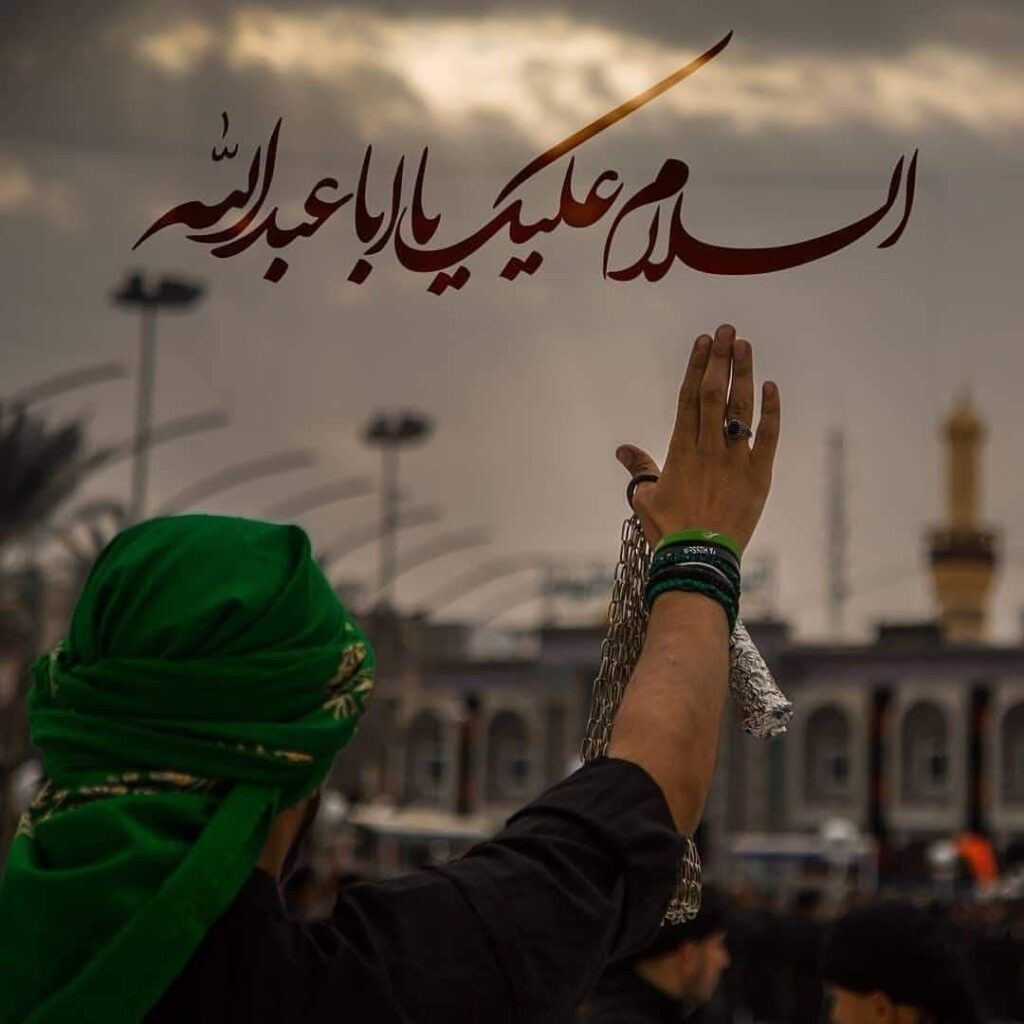
Courage in Everyday Society
Standing for truth is not limited to grand historical moments; it exists in daily life.
In neighborhoods, people witness unfair treatment but avoid involvement. In workplaces, employees observe unethical decisions but remain silent to protect their positions. In communities, social injustice continues because individuals assume someone else will speak.
But change begins when ordinary people refuse to normalize wrongdoing.
Standing for truth does not always require confrontation. Sometimes it means:
- Choosing respectful dialogue
- Supporting the oppressed
- Promoting fairness in decision-making
- Refusing to participate in harmful practices
Small actions create powerful cultural shifts.
Modern Examples of Resistance and Determination
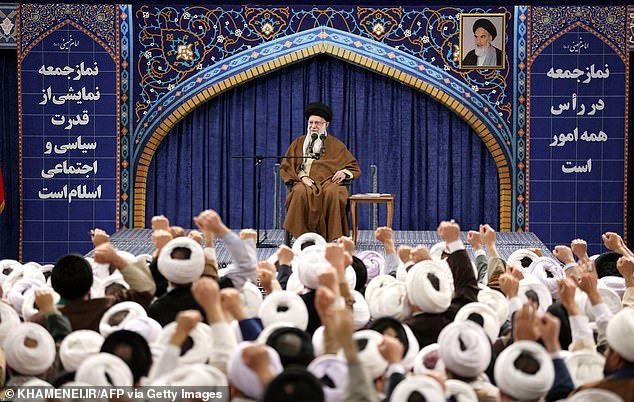
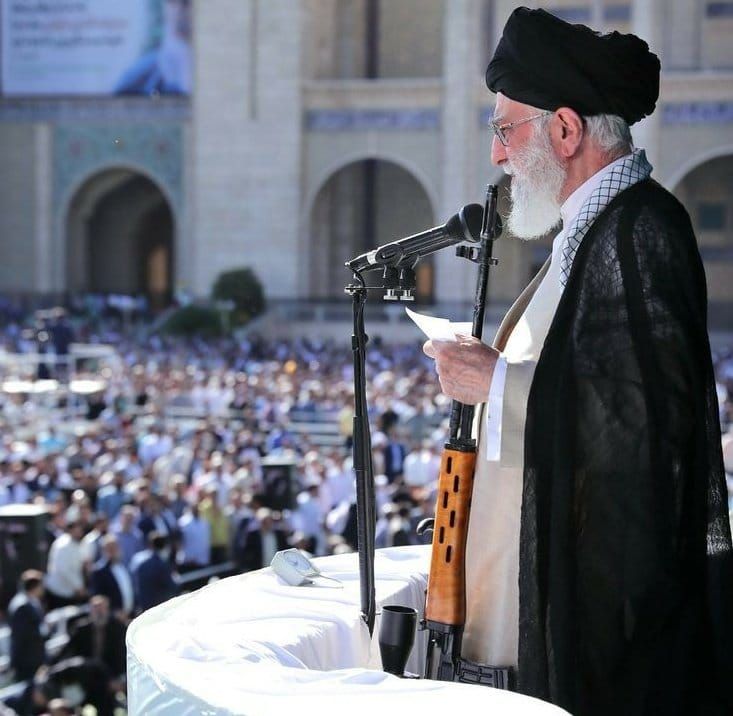
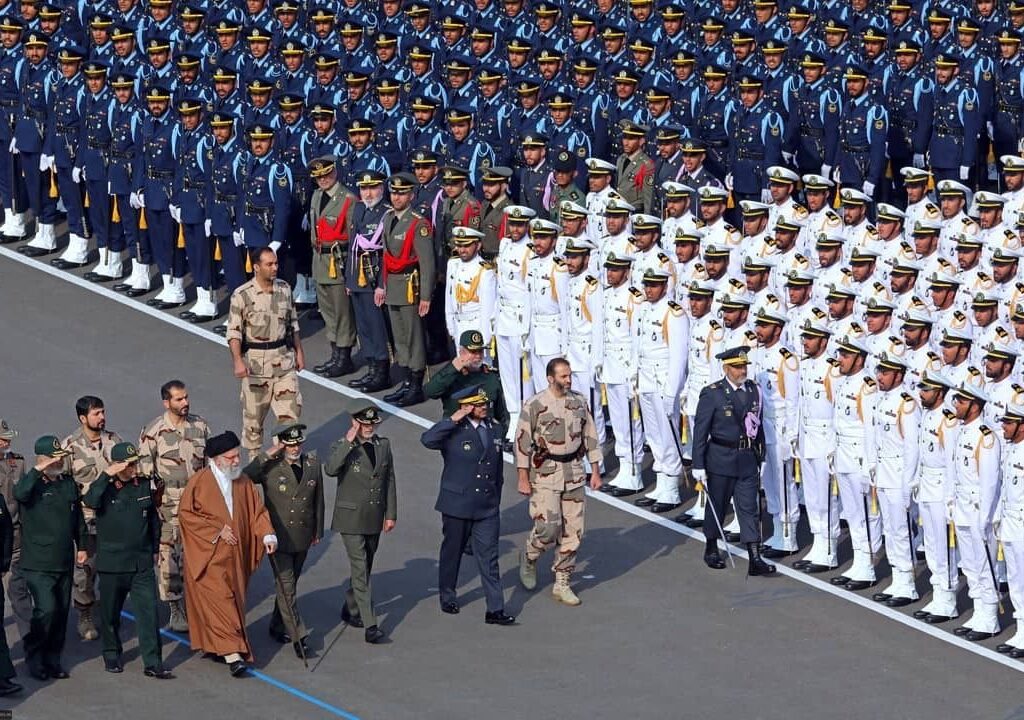
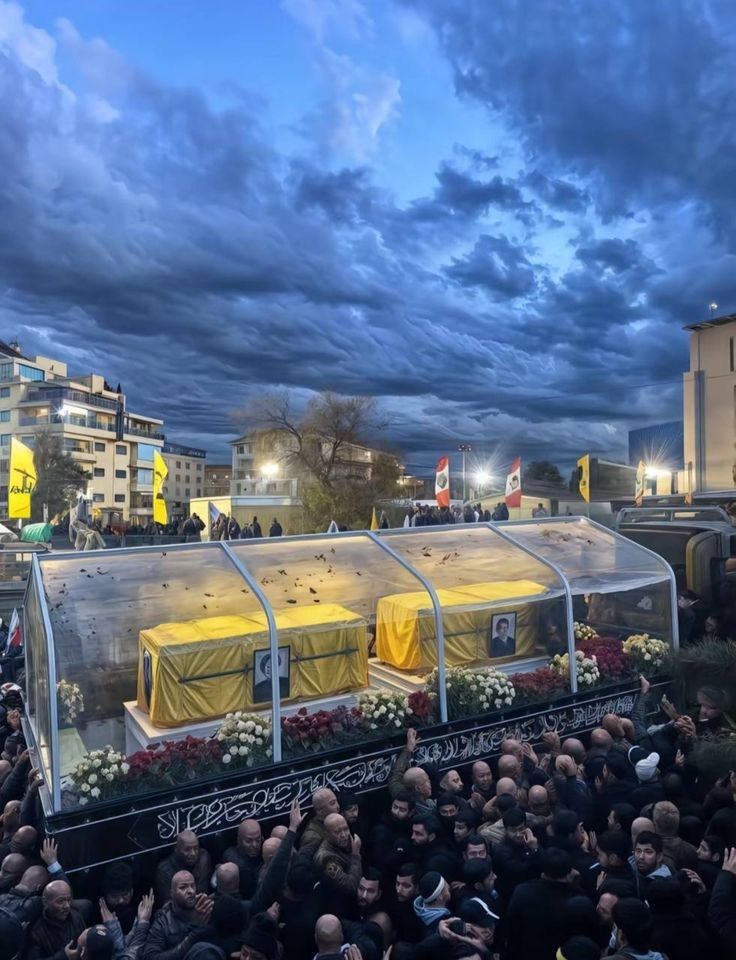
History continues to produce figures who emphasize resistance against pressure and persistence in belief. Many people today view Ali Khamenei as an example of political resilience and steadfastness in maintaining national and ideological positions despite international challenges.
Regardless of political perspectives, the broader lesson remains universal: leaders and individuals alike are often tested by pressure. Their response defines their legacy.
Standing firm does not mean rejecting dialogue, it means refusing to abandon core principles.
Emotional Strength: The Hidden Power Behind Resistance
Standing for truth is emotionally difficult. Fear, uncertainty, and loneliness often accompany moral courage. Imam Hussain’s journey reminds us that even the strongest individuals experience hardship, but faith and conviction transform fear into strength.
Many people believe courage means having no fear. In reality, courage means moving forward despite fear.
Students fear failure. Professionals fear losing jobs. Citizens fear criticism. Yet history shows that those who shape the future are those who prioritize truth over comfort.
Emotional resilience grows when individuals connect their actions to higher values.
Why Society Needs the Message of Karbala Today
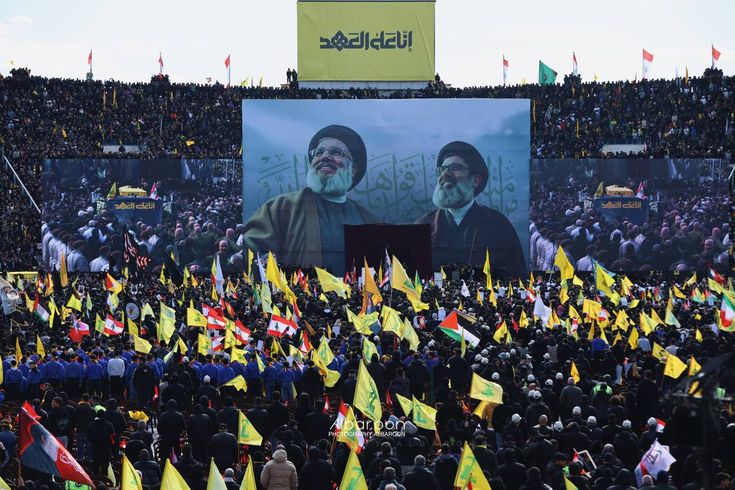
Modern societies face different forms of injustice, corruption, discrimination, misinformation, and moral compromise. Technology has made communication faster, but it has not automatically strengthened ethics.
The message of Karbala remains relevant because it addresses a timeless human challenge: Will we stand for what is right, or will we remain silent for what is easy?
Every generation must answer this question.
The story of Imam Hussain is not only about mourning, it is about transformation. It encourages individuals to evaluate their own choices:
- Do we defend fairness?
- Do we support the truth?
- Do we resist wrongdoing?
If the answer is yes, even in small actions, the spirit of Karbala lives on.
A Message to the Public: Never Surrender When You Are Right
Life constantly presents moments where individuals must choose between truth and convenience. These moments may not appear dramatic, but they shape personal character and societal direction.
If you are right:
- Do not surrender to pressure
- Do not fear temporary losses
- Do not remain silent in front of injustice
Truth sometimes walks a difficult path, but it always leads to dignity.
Living like Ali builds character.
Standing like Hussain builds courage.
Sacrificing for truth builds legacy.
The world does not change only through powerful leaders, it changes through ordinary people who refuse to accept wrongdoing.
Turning Inspiration into Action
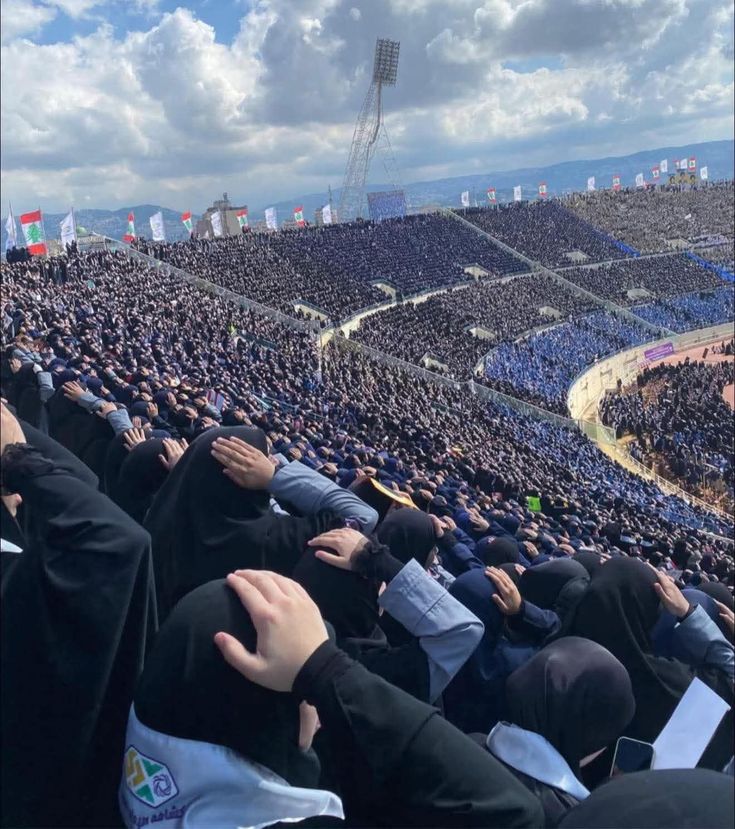
The message of Karbala is not limited to history, it is a guide for daily life. From classrooms to workplaces, from homes to public spaces, every individual has opportunities to stand for what is right.
Imam Hussain’s sacrifice teaches us that numbers do not define truth. Popularity does not define justice. Power does not define morality.
Character defines everything.
Let us carry this message forward:
- Live with honesty like Ali.
- Stand with courage like Hussain.
- Never surrender when you are right.
Because when even one person stands for truth, the light of justice continues to shine.
Author Profile

- I'm Farhat Sakeena, a certified English language teacher and proofreader with a BS Hons in English Language and Literature from Govt College University Faisalabad. Holding a 120-hour TEFL certification from World TESOL Academy, I've honed my skills in teaching English online and providing high-quality proofreading services. As a dedicated freelancer, I help students and professionals improve their language skills and refine their writing.
Latest entries
 Religion & SpiritualityMarch 2, 2026Stand for Truth: Living Like Ali, Dying Like Hussain
 World AffairsMarch 1, 2026When Humanity Cries: Seeing the Iran–Israel Tensions Through Human Eyes
 FeaturedOctober 22, 2025Nobody Cares in This Fast-Paced World—And That’s Okay: Embracing Emotional Independence in a Global Society
 Mental HealthAugust 21, 2025When Pressure Boils Over: The Quiet Roots of Aggression
