
Table of Contents
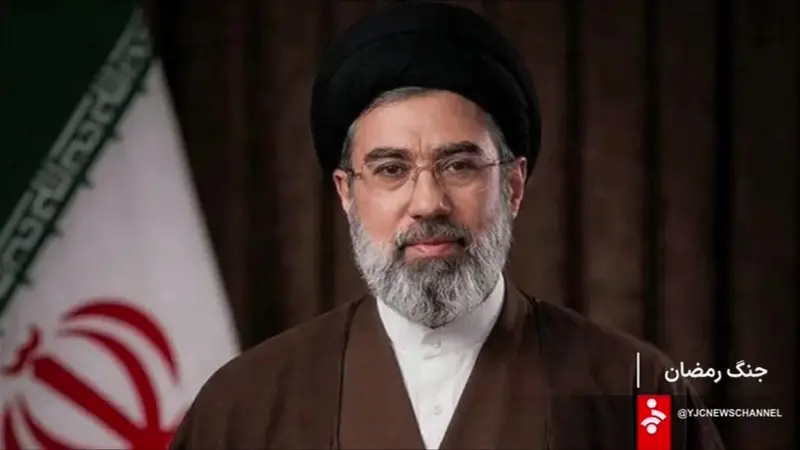
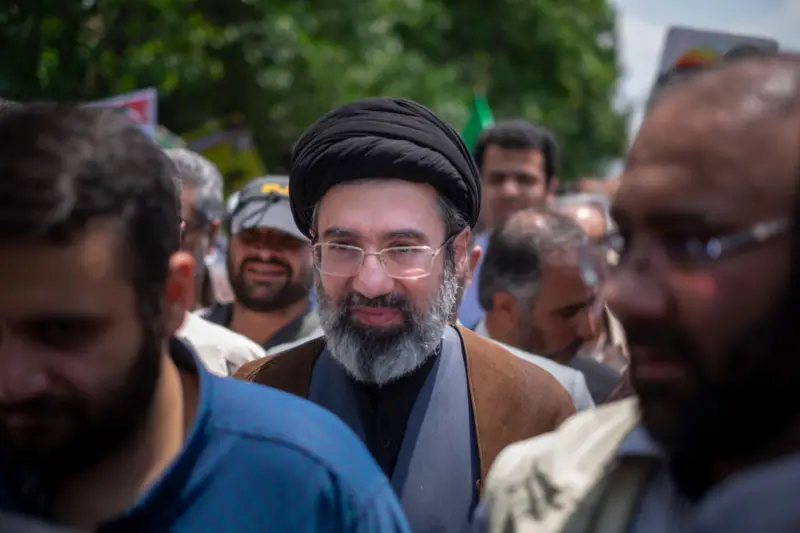
In one of the most dramatic developments in modern Middle Eastern politics, Mojtaba Khamenei has reportedly been named Iran’s new supreme leader following the death of his father, Ayatollah Ali Khamenei, according to Iranian state media cited in BBC live coverage. The announcement comes at a moment of extraordinary turmoil: Iran is under intense military pressure, the region is absorbing the shock of widening conflict, and global oil prices have surged as the Strait of Hormuz remains effectively closed.
This is not simply a leadership change. It is a moment that could reshape Iran’s internal balance of power, alter the trajectory of the war involving Iran, Israel, and the United States, and deepen the economic uncertainty already spreading across the global energy market. The elevation of Mojtaba Khamenei is being interpreted by many analysts not as a sign of renewal, but as an attempt by the Iranian system to preserve continuity, defend the regime, and maintain control during an existential crisis.
A succession that changes everything, and perhaps nothing
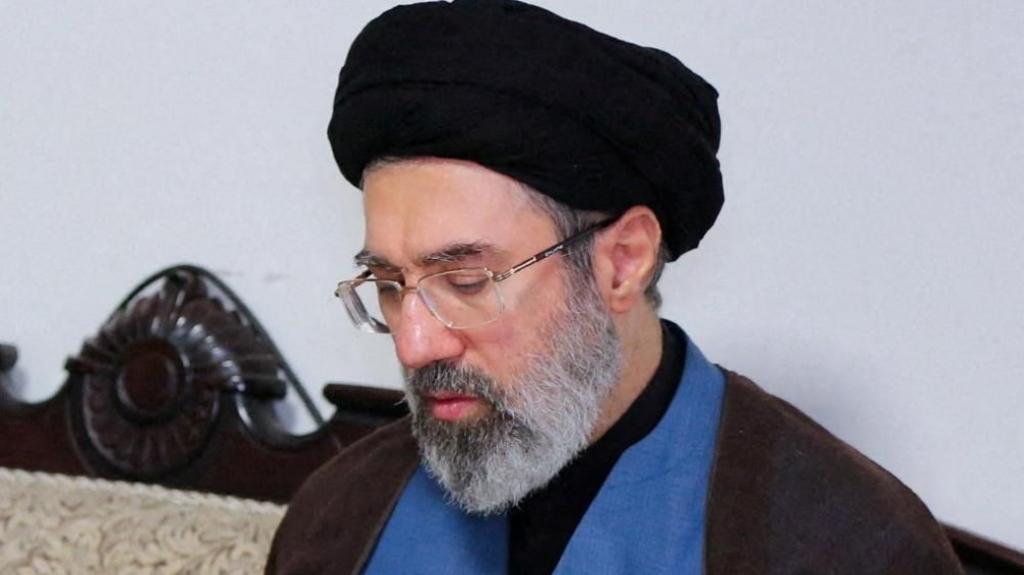
Mojtaba Khamenei’s appointment is historic, controversial, and deeply symbolic. For years, his name circulated in speculation about who might eventually succeed Ali Khamenei. Yet the idea of a son following his father into Iran’s highest office has always been politically sensitive. The Islamic Republic was built in opposition to hereditary monarchy, and both Ayatollah Khomeini and Ali Khamenei had criticized dynastic rule in the past.
That is precisely why this transition matters so much. The choice of Mojtaba Khamenei suggests that, under extreme pressure, the ruling establishment has chosen continuity over reform, familiarity over experimentation, and control over legitimacy. Rather than opening a path toward broad political adjustment, the Iranian system appears to have closed ranks around someone closely tied to the inner core of power.

For supporters of the regime, this may project resilience. For critics, both inside and outside Iran, it reinforces the view that the Islamic Republic is moving toward a more entrenched and less accountable form of rule.
Who is Mojtaba Khamenei?
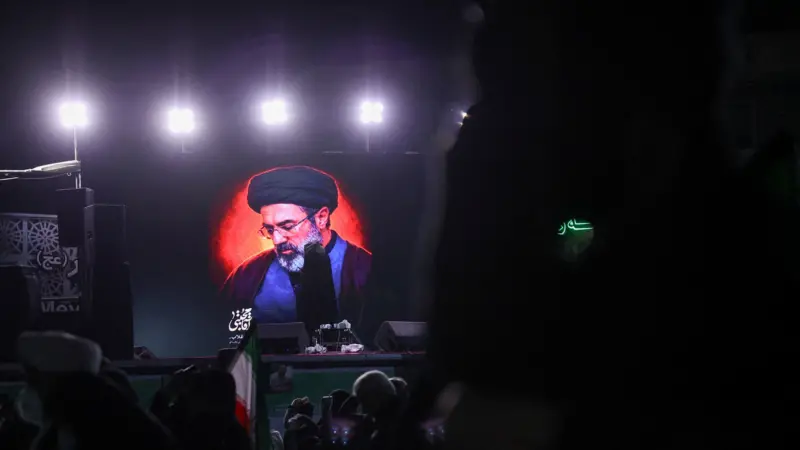
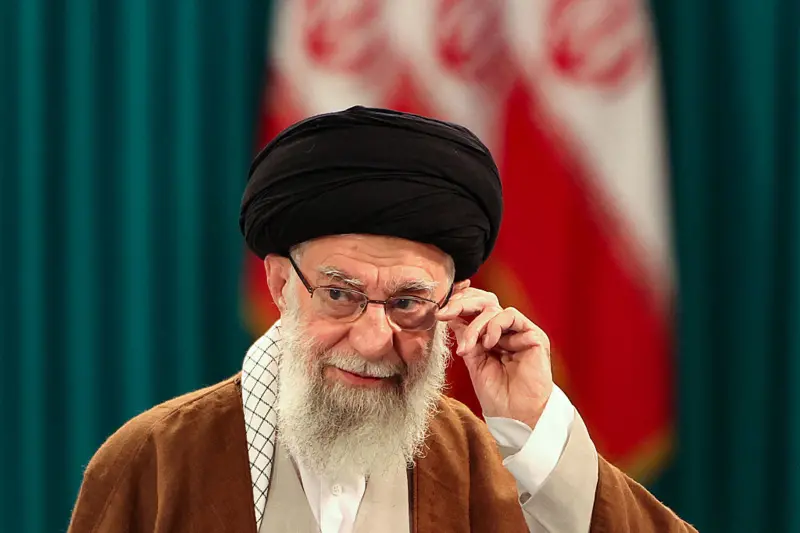
Unlike many public political figures, Mojtaba Khamenei has operated largely in the shadows. Born in 1969 in Mashhad, he is the second son of Ali Khamenei. He studied in Tehran and later continued his religious education in Qom, one of the most important centers of Shia theology. He has never held a major official state office, never developed a visible public political profile, and has rarely spoken publicly.
Yet despite that low profile, he has long been regarded as one of the most influential figures behind the scenes in Iran. Over the years, he has been described as a gatekeeper to his father and as a man with strong links to the Islamic Revolutionary Guard Corps, or IRGC. He has also been accused by critics of exerting influence over power struggles within the political system, including electoral politics and security networks.
That combination of invisibility and influence is central to understanding why his appointment matters. Mojtaba Khamenei is not a new actor entering the system from outside. He is a deeply embedded insider whose authority is believed to come from his proximity to the security establishment and the office of the supreme leader itself.
Why the regime chose him now
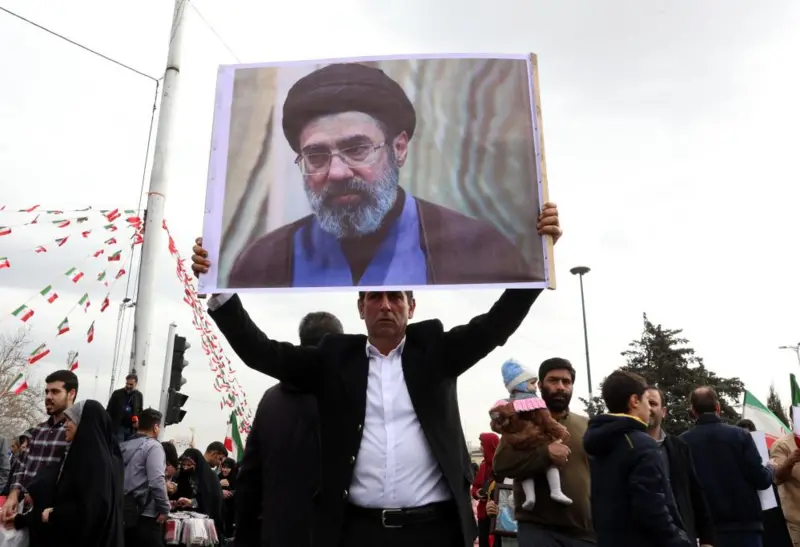
The timing of this decision is inseparable from the war. Iran is not passing through a normal political transition. It is doing so amid direct military confrontation, strikes on Iranian territory, attacks across the region, and mounting fears of a wider conflict. In that environment, the Iranian establishment appears to have prioritized survival above all else.
The Assembly of Experts, the clerical body responsible for selecting the supreme leader, seems to have concluded that choosing a familiar, trusted, and hardline figure was the safest option. Mojtaba Khamenei likely offered three things the regime urgently needed: continuity, loyalty, and a direct relationship with the coercive institutions that keep the system functioning.
This is why many observers see the appointment as less about popular legitimacy and more about regime preservation. Iran’s leadership is trying to send a signal that despite the death of Ali Khamenei and the external military pressure it faces, the Islamic Republic remains intact and capable of reproducing its authority.
The role of the IRGC in the new power structure
No analysis of Iran’s leadership transition is complete without understanding the central role of the IRGC. The Revolutionary Guards are not merely a military force. They are a political, economic, ideological, and security powerhouse that influences almost every major lever of the Islamic Republic.
Reports cited in the BBC live coverage say the IRGC welcomed Mojtaba Khamenei’s appointment and declared its devotion and obedience to the new leader. That response is highly significant. It suggests that the new supreme leader has immediate backing from one of the most powerful institutions in the country.
This support may be decisive. Ali Khamenei spent decades building unmatched authority across the Iranian system. Mojtaba Khamenei does not inherit that same stature automatically. What he may have instead is something more immediate in wartime: the backing of the hardline security apparatus.
That could make his rule more dependent on force, more tightly linked to the military-security establishment, and potentially less flexible politically. In practical terms, this may mean a tougher internal climate in Iran and a more confrontational posture abroad.
A leadership change in the middle of a widening war
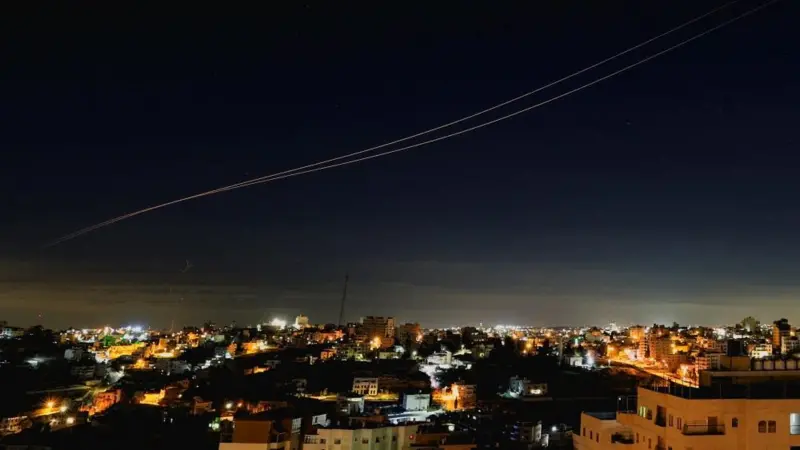
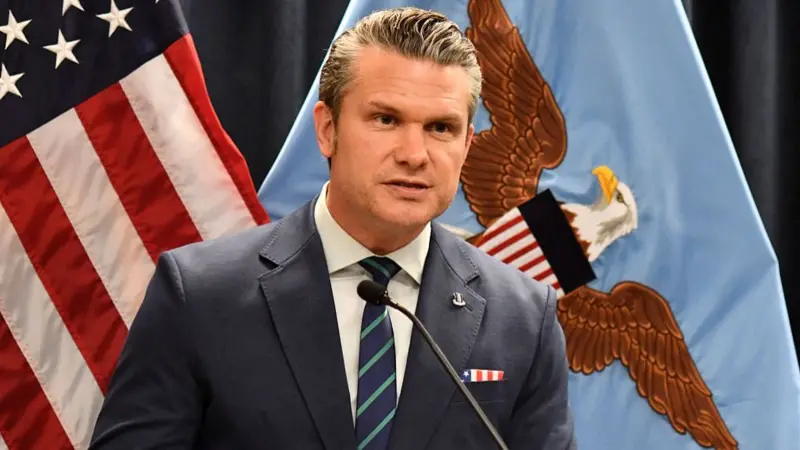
The regional context makes this transition especially dangerous. According to the live coverage you shared, Iran has launched missiles at Israel under Mojtaba Khamenei’s leadership, while the United States has signaled that it is prepared to escalate further. US Defence Secretary Pete Hegseth reportedly said the US was willing to go “as far as we need to be successful,” underscoring how volatile the situation has become.
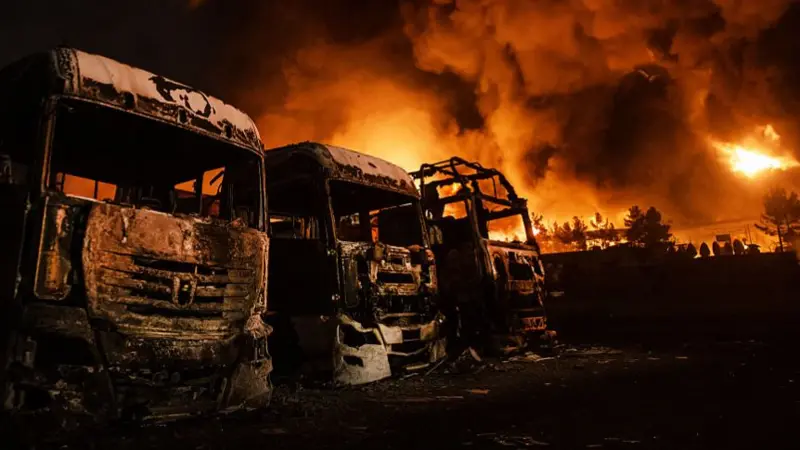
This is not a symbolic war of rhetoric. It is already producing casualties across multiple countries. Reports cited by the BBC mention deaths and injuries in Saudi Arabia and Bahrain, rising casualties in Lebanon, and the death of another US service member from injuries sustained in earlier attacks. Explosions have reportedly been heard in Bahrain, Kuwait, and Doha, while Tehran itself has experienced strikes on oil depots and infrastructure.
In this environment, the appointment of a new Iranian supreme leader is not just a domestic constitutional moment. It is a wartime succession with direct implications for the military and diplomatic future of the region.
Oil prices, the Strait of Hormuz, and the global economic shock
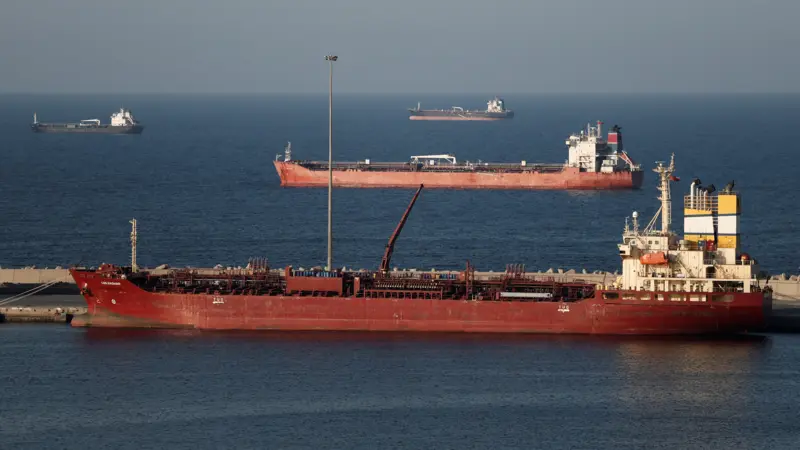
One of the clearest signs that this conflict is already affecting the world far beyond the Middle East is the spike in oil prices. As reported in the BBC live coverage, Brent crude and US crude both surged well above $110 a barrel during Asian trading, with fears rising that a prolonged closure of the Strait of Hormuz could severely disrupt global supply.
The Strait of Hormuz is one of the most important energy chokepoints in the world. Roughly a fifth of global oil supply typically passes through it. When shipping through that narrow corridor is disrupted, the consequences are immediate and global. Energy markets react, insurers reassess risks, stock markets fall, and governments begin calculating the inflationary and geopolitical fallout.
That is exactly what appears to be happening now. Asian stock markets have dropped sharply, South Korea’s exchange reportedly triggered a circuit breaker, and concerns are growing that prolonged disruption could push crude even higher. Some analysts cited in the coverage warned that if the shutdown lasts through the end of March, oil prices could move toward record levels above $150 a barrel.
For ordinary consumers, this matters because higher crude prices can quickly feed into higher petrol prices, more expensive transport, costlier air travel, and rising prices for goods that depend on energy-intensive supply chains. For governments, it raises the risk of renewed inflation just as many economies were hoping for greater stability.
What this means for Iran itself
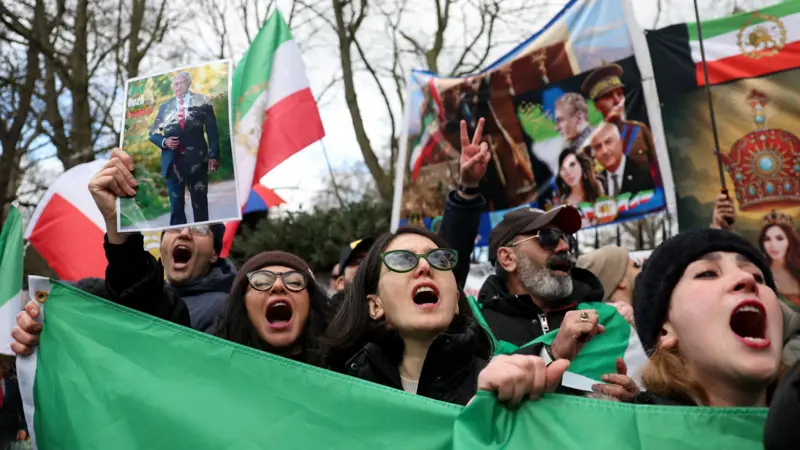
Inside Iran, Mojtaba Khamenei’s rise may not calm the system. It may simply postpone a deeper reckoning. Reports from Tehran cited in the BBC coverage suggest anxiety, anger, and fear among ordinary people. Some residents reportedly believe nothing will change. Others fear harsher repression. Some doubt the new leader will last.
That reaction captures the core problem facing the new supreme leader. Even if he has institutional backing, he does not necessarily have broad public legitimacy. He inherits not only his father’s position but also a state under attack, a society under strain, an economy already weakened by sanctions and isolation, and a public that has repeatedly shown frustration with authoritarian rule.
If Mojtaba Khamenei governs through the same hardline methods associated with his father’s later years, the result could be deeper domestic unrest. If he attempts to consolidate power during wartime, internal repression may increase. Either path carries enormous risk.
How the United States and Israel may view the appointment
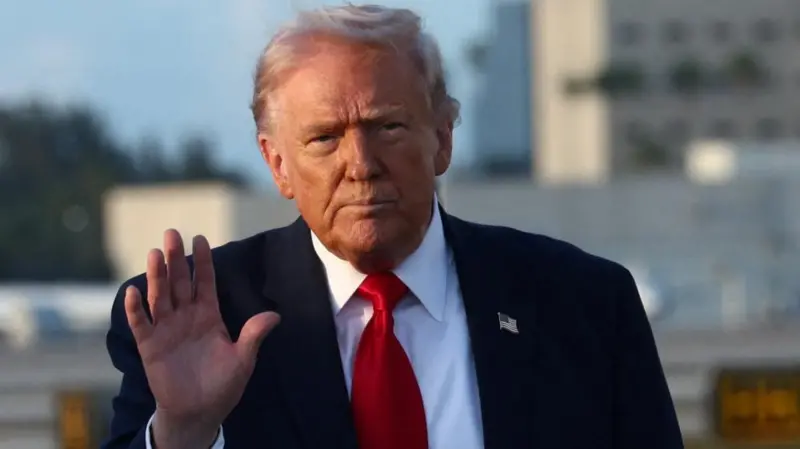
The reported appointment of Mojtaba Khamenei is also likely to harden positions in Washington and Jerusalem. The BBC coverage notes that US President Donald Trump had publicly indicated opposition to Mojtaba Khamenei becoming supreme leader, while Israel reportedly warned that it would continue to pursue successors to Ali Khamenei as part of its campaign.
That means the new supreme leader begins his tenure under direct external threat. Rather than gaining time to consolidate power, he may face immediate pressure from adversaries who see him not as a stabilizing figure but as a continuation of the same strategic threat.
From the US and Israeli perspective, Mojtaba Khamenei may represent continuity with Iran’s hardline security and regional policies. From Tehran’s perspective, that same continuity may be seen as proof that the regime has not buckled under attack. This creates a dangerous logic on all sides, where compromise becomes harder and escalation becomes easier.
Lebanon, the Gulf, and the wider regional danger
Another important aspect of this story is how widely the conflict is already spreading. The BBC live updates mention a rising death toll in Lebanon, injuries in Bahrain from a drone attack, and fatalities in Saudi Arabia after a projectile hit a residential area. Those incidents show that the consequences of this confrontation are no longer confined to Iran and Israel.
This is why global markets are so alarmed. This is not just a bilateral conflict. It increasingly resembles a region-wide crisis with multiple fronts, multiple actors, and multiple points of escalation. The longer it continues, the greater the risk of miscalculation, humanitarian disaster, and deeper economic shock.
What happens next?
The most immediate question is whether Mojtaba Khamenei can consolidate power quickly enough to command the Iranian state in wartime. The second is whether the conflict itself will intensify further, especially if attacks on infrastructure, military targets, or regional partners continue. The third is whether the Strait of Hormuz will remain effectively closed, keeping upward pressure on oil prices and deepening global economic instability.
In the near term, three outcomes seem most likely.
First, Iran’s political system will try to present a united front, with the IRGC playing a decisive role in securing the new leader’s position. Second, external pressure from the United States and Israel is unlikely to ease simply because succession has been settled. Third, energy markets will remain highly sensitive to every military development in the Gulf.
That means the appointment of Mojtaba Khamenei is not the end of the story. It may be the beginning of a more dangerous phase.
Conclusion
Mojtaba Khamenei’s reported rise to the position of Iran’s supreme leader is one of the most consequential developments in the Middle East in years. It comes at a time of war, leadership trauma, economic shock, and widening regional instability. While the regime may view his selection as a move to preserve continuity and demonstrate strength, the reality is far more fragile.
He inherits a state under siege, a region on edge, and a global economy already reacting to the possibility of prolonged disruption in the Gulf. His leadership may shape not only the future of Iran, but also the next phase of conflict across the Middle East and the direction of global energy markets.
Whether this moment becomes a turning point toward wider war or a brutal attempt at regime survival will depend on what comes next. But one thing is already clear: the appointment of Mojtaba Khamenei is not just a domestic Iranian development. It is a major geopolitical event with consequences far beyond Tehran.
Author Profile

- Syed Tahir Abbas is a Master's student at Southwest University, Chongqing, specializing in international relations and sustainable development. His research focuses on U.S.-China diplomacy, global geopolitics, and the role of education in shaping international policies. Syed has contributed to academic discussions on political dynamics, economic growth, and sustainable energy, aiming to offer fresh insights into global affairs.
Latest entries
 Middle East PoliticsMarch 9, 2026Mojtaba Khamenei Becomes Iran’s New Supreme Leader as Oil Prices Surge and Middle East War Escalates
 World PoliticsMarch 1, 2026Ayatollah Ali Khamenei: The Martyr Who Shook the World – A Criminal US-Israeli Aggression Against the Islamic Republic
 World NewsFebruary 28, 2026Escalating Tensions in the Middle East: US and Israel Launch Joint Strikes on Iran Amid Retaliatory Attacks
 International RelationsFebruary 24, 2026Four Years of the War in Ukraine: A Global Perspective