
Table of Contents
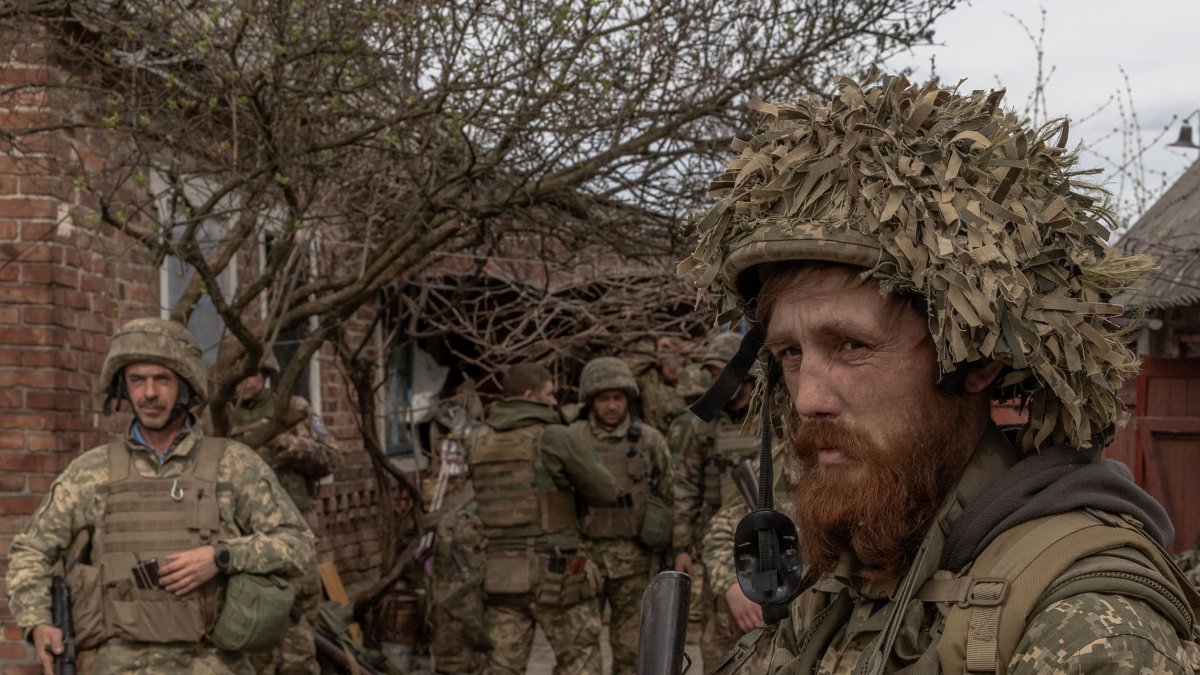
The ongoing war in Ukraine, now entering its fifth year, has become one of the defining conflicts of the 21st century, reshaping geopolitics, global alliances, and security dynamics. On February 23, 2026, the Center for Strategic and International Studies (CSIS) hosted a comprehensive discussion to mark the four-year anniversary of Russia’s invasion of Ukraine. As the war grinds on with no clear end in sight, experts from various backgrounds reflected on the significant developments of the past four years, the shifting strategies of Russia and Ukraine, and the broader implications for international relations.
The panel of experts analyzed the war’s trajectory from multiple angles, highlighting unexpected outcomes, the resilience of Ukraine, and the evolving strategies of Russia and the West. This analysis provides a comprehensive understanding of the conflict and its implications for global security and political dynamics.
Russia’s Strategic Miscalculations: A Shift in Perspective
In the early days of the invasion in February 2022, many analysts expected a swift Russian victory and a quick collapse of Ukraine’s government. However, as the conflict progressed, it became clear that Russia had underestimated Ukraine’s resolve and its ability to withstand the onslaught. During the CSIS event, Max Bergmann, director of the Europe, Russia, and Eurasia Program at CSIS, opened the discussion by questioning where Russia stands now, four years into the war.
Michael Kimmage, an expert on Russia-Ukraine relations, reflected on Putin’s leadership and the evolution of Russia’s military strategy. Kimmage noted that, in the initial phase of the war, Putin exhibited signs of nervousness and uncertainty. However, as the conflict dragged on, Putin seemed to adjust to the war’s long-term nature, projecting a sense of control and confidence, even as his hopes for a quick victory faded. Kimmage emphasized that Russia’s expectations—such as the rapid collapse of Ukraine, the fragmentation of Europe, and a compliant U.S. administration—have not been realized. These unmet hopes have led to a more cautious and less optimistic Kremlin as it faces mounting internal and external challenges.

Despite the heavy toll on Russia’s economy, military, and global reputation, the Kremlin appears committed to a protracted struggle, with no immediate signs of a negotiated peace or retreat. This ongoing conflict reflects not only the strategic miscalculations of the Russian leadership but also the deep ideological stakes involved in Putin’s vision for Russia’s role in the world.
Ukraine’s Resilience: Surpassing Expectations
When Russia first launched its invasion, many analysts believed that Ukraine would fall quickly under the weight of Russia’s military might. Yet, four years later, Ukraine has not only survived but has demonstrated an extraordinary capacity for resilience. Hanna Notte, director of the Eurasia Nonproliferation Program at the James Martin Center for Nonproliferation Studies, shared her insights on Ukraine’s surprising endurance.
Notte pointed out that Ukraine’s ability to hold out against a much larger and better-equipped Russian military has been nothing short of remarkable. She admitted that, like many others, she initially believed the war would be brief, with Ukraine forced to accept some form of Russian territorial gains. However, Ukraine’s military, led by President Volodymyr Zelensky, has held its ground with the support of Western allies, defying early expectations and emerging as a symbol of resistance and defiance.
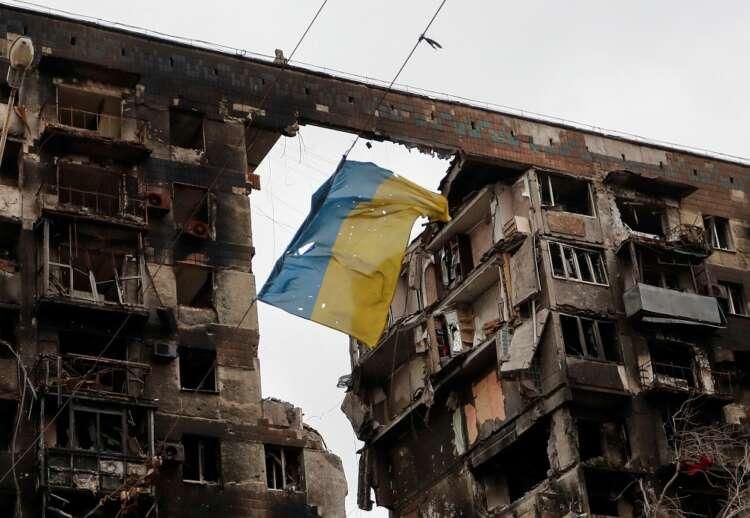
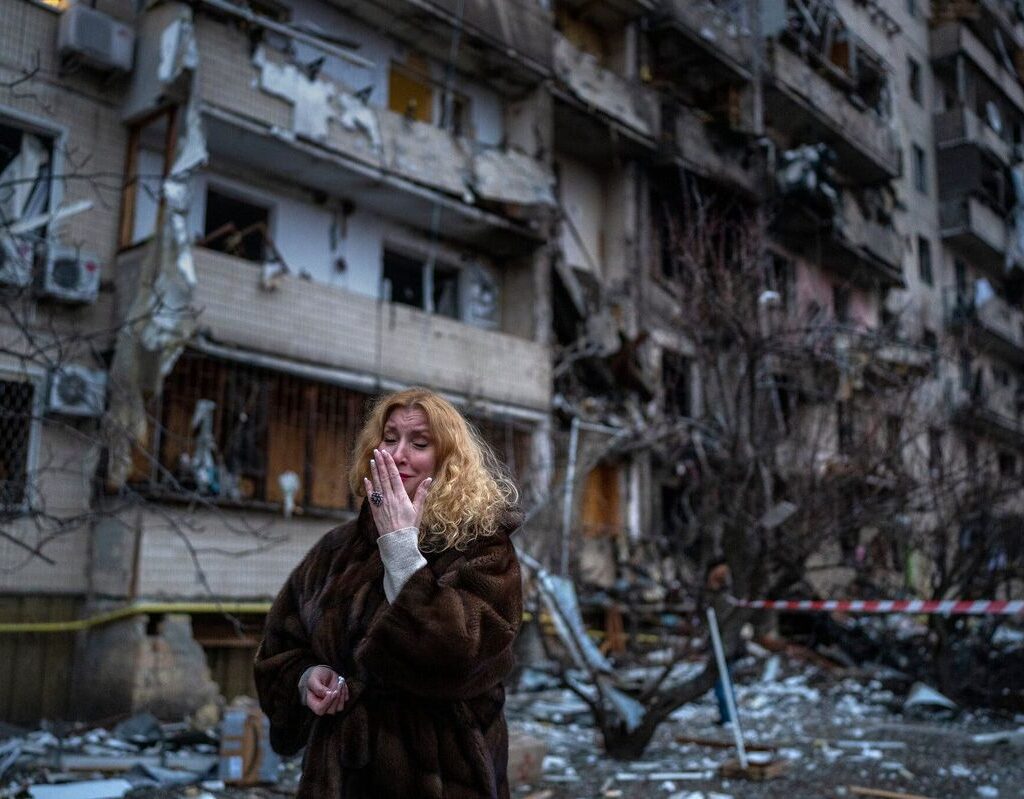
This unexpected resilience has reshaped global perceptions of Ukraine, and its survival has become a central point of Western support. Notte emphasized that while Ukraine’s position has remained strong, the war is far from over, and the cost of maintaining this resistance has been immense. With over 1.2 million casualties and widespread destruction, Ukraine’s path forward remains fraught with challenges. Nonetheless, Ukraine’s steadfastness has played a crucial role in shaping the trajectory of the war and its eventual outcome.
Russia’s Domestic Response: A Nation Resilient but Divided
Despite the mounting losses and the imposition of international sanctions, Russia has shown an unexpected level of domestic resilience. Maria Snegovaya, senior fellow at CSIS, discussed the internal dynamics within Russia, focusing on the lack of significant public dissent despite the severe consequences of the war. Snegovaya highlighted the failure of Western predictions that Russia would experience widespread protests and internal resistance, pointing to the ongoing support, or at least passive acceptance, of the war within Russian society.
Snegovaya noted that Russia’s ability to suppress public dissent and maintain the loyalty of a large portion of its population has been a key factor in sustaining the war effort. The Russian regime has systematically closed off liberal institutions and suppressed opposition voices, reinforcing a narrative of patriotic duty and national pride. This has created an environment where large-scale protests are unlikely, and dissent, even if it exists, remains marginalized.
Furthermore, the war has become an ideological battle for Russia. Putin has framed the conflict as a struggle for Russia’s survival against a corrupt and declining West. This narrative resonates with many Russians who see the war as part of a broader effort to defend their country’s sovereignty and assert its place in the global order. However, as the conflict wears on, the toll on Russian society is becoming increasingly evident, with the impact of sanctions, casualties, and economic hardship beginning to strain the social fabric.
The Military Landscape: A Stalemate with No End in Sight
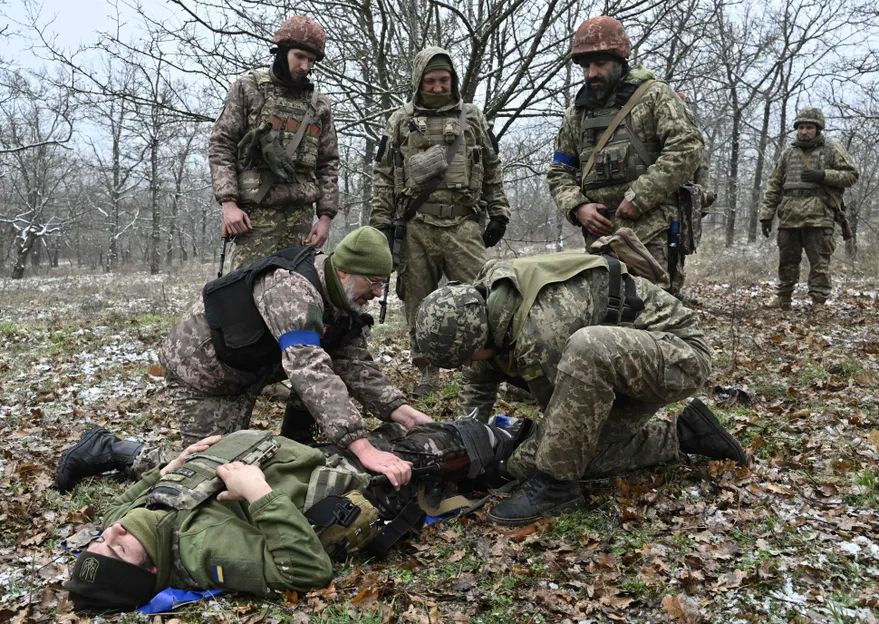
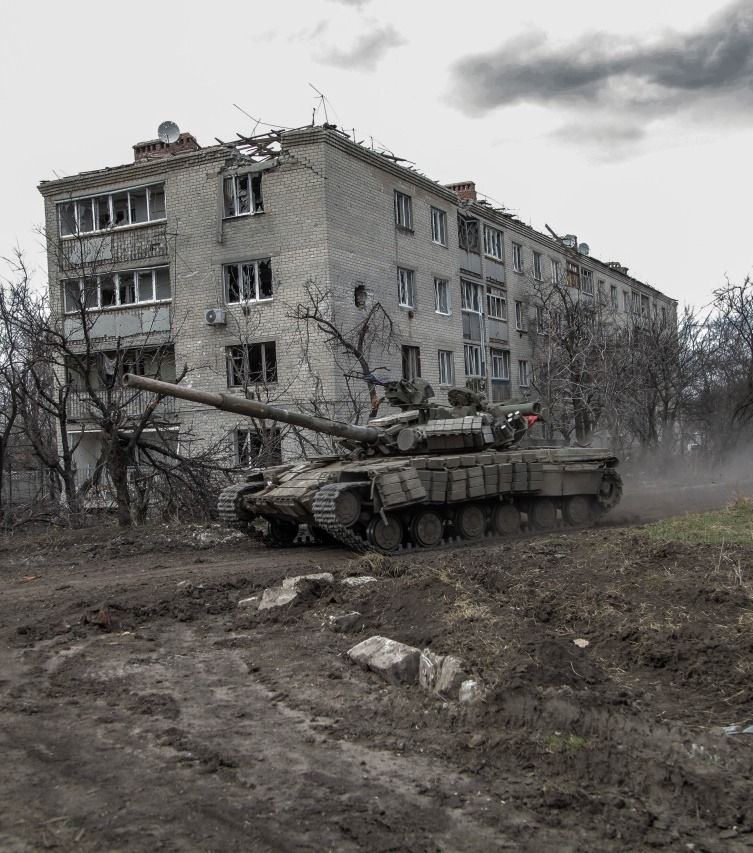
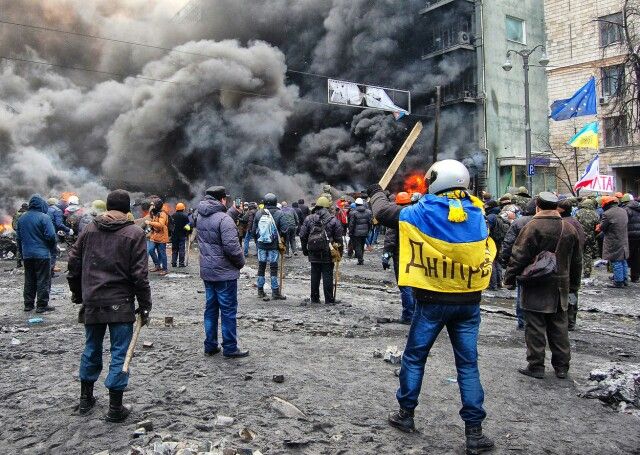
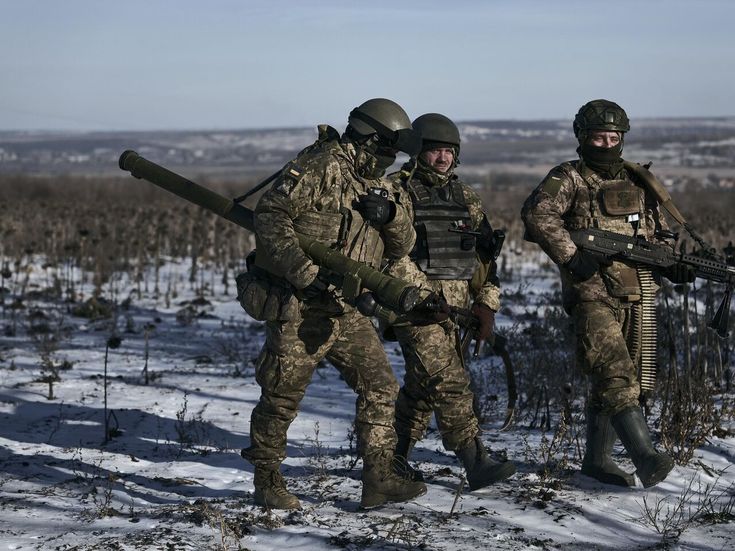
As the war has progressed, the battlefield dynamics have evolved into a long-term war of attrition. JP Gresh, a retired U.S. Army colonel, shared his insights into the current military situation, noting that the frontlines have largely remained static in recent years. Despite the introduction of advanced weapons systems and increasing Western military aid to Ukraine, the war remains characterized by intense, small-scale engagements rather than decisive battles or territorial changes.
The conflict has evolved into a battle of endurance, with both sides suffering immense losses but unable to deliver a knockout blow to the other. Gresh pointed out that Russia’s military strategy has failed to adapt to the realities of modern warfare, with its reliance on mass forces and artillery failing to break through Ukraine’s defensive lines. Ukraine, on the other hand, has leveraged its superior intelligence, defensive capabilities, and the support of advanced Western technologies to counter Russian advances.
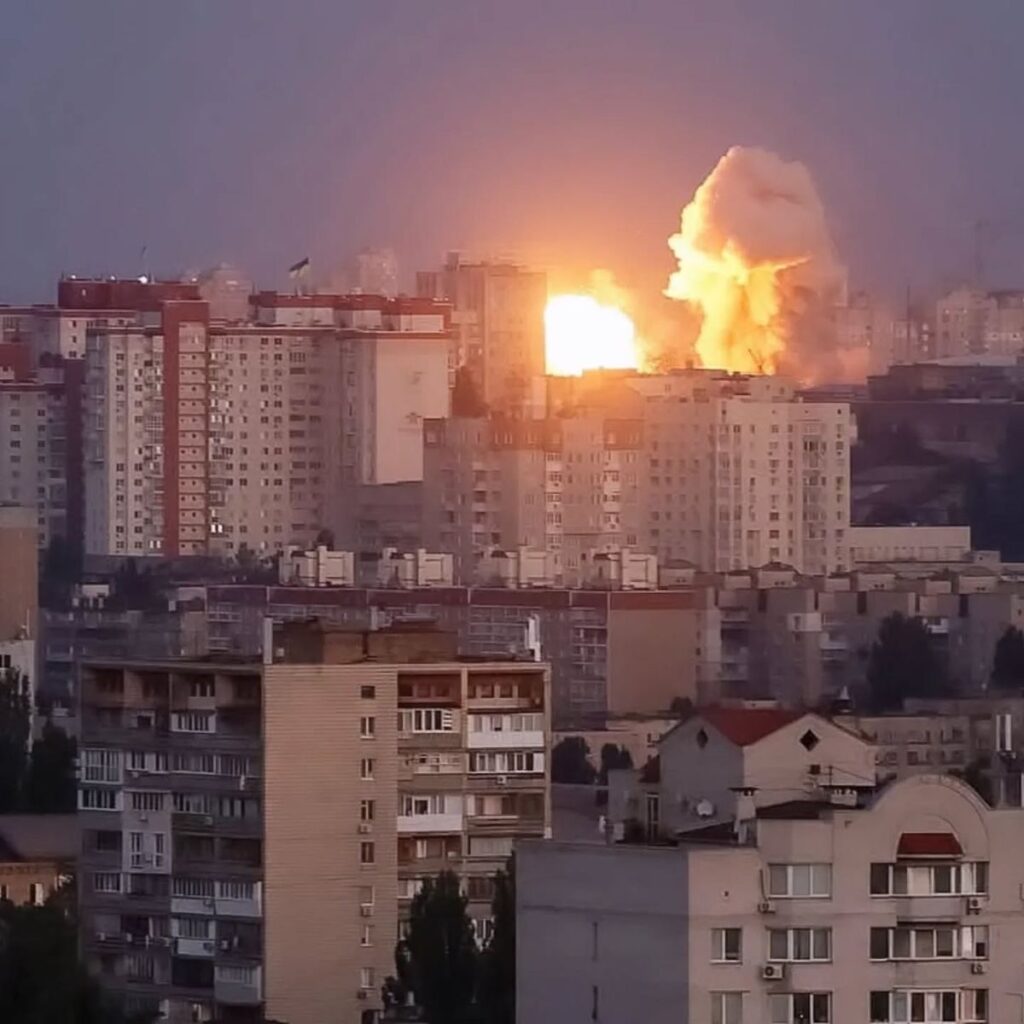
The military situation in Ukraine remains precarious, with both sides facing significant challenges. While Russia has used drones and missile strikes to target Ukrainian infrastructure, Ukraine’s ability to defend its skies with advanced air defense systems has reduced the effectiveness of these strikes. Still, the war of attrition shows no signs of abating, and the situation remains tense as both sides prepare for further offensives in the coming year.
The Economic Toll: Sanctions and Strain on Russia’s Economy
The economic consequences of the war have been profound. Western sanctions, initially seen as a potential means to cripple Russia’s economy, have had a significant impact but not to the extent anticipated. Snegovaya discussed how Russia’s economy has been able to weather the sanctions through adaptation, including finding new markets for its oil exports, particularly in China and India. However, the ongoing war and the economic strain it places on Russia’s finances have created new challenges for the Kremlin.
Russia’s budget deficit has widened, and the country is facing increasing financial pressure. Despite attempts to adjust, including raising taxes and trying to stabilize inflation, the Russian government is struggling to manage the economic consequences of the war. This economic strain has begun to erode Russia’s long-term financial stability, though the country is still far from facing economic collapse.
The global energy market has also played a significant role, with the war leading to a significant shift in energy dynamics. European countries have weaned themselves off Russian energy supplies, creating a major financial blow to Russia’s economy. While Russia has managed to secure new buyers for its oil, the price discounts it faces have made it difficult to maintain the same level of revenue.
Russia’s Place in the World: A Shifting Global Order
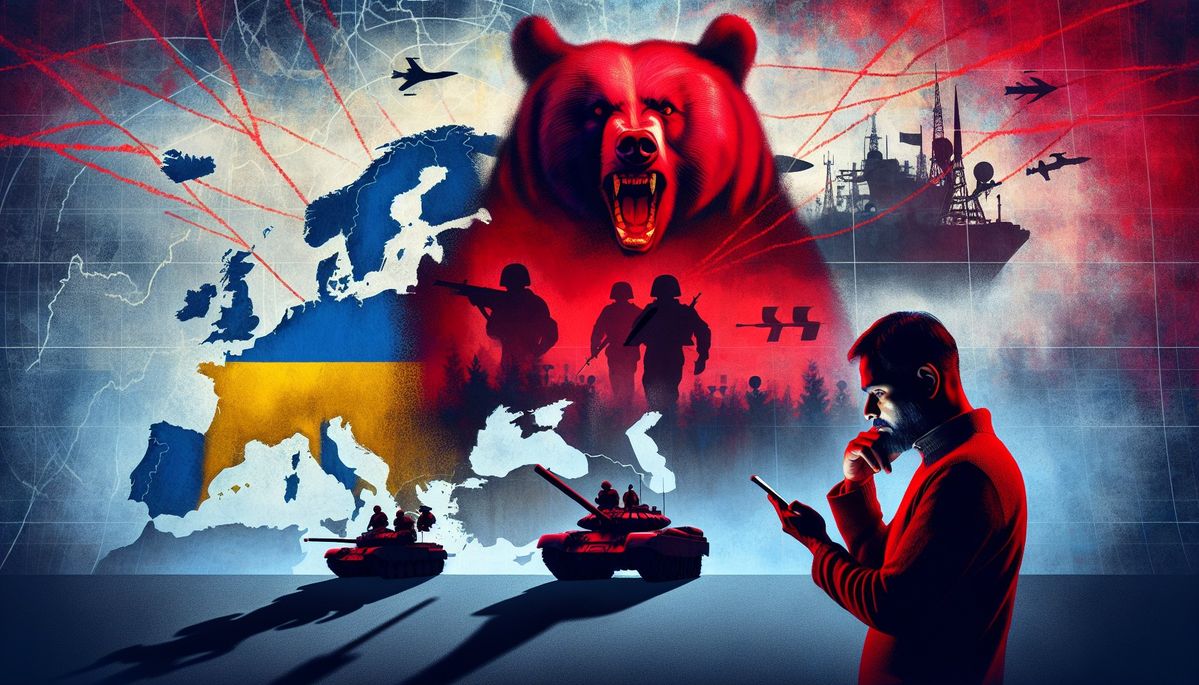
Russia’s position in the international arena has dramatically shifted since the beginning of the war. Once a key player in European security and global energy markets, Russia now finds itself increasingly isolated, with many countries severing ties and imposing sanctions. Hanna Notte discussed how Russia has reoriented its foreign policy toward non-Western nations, particularly China and India, to secure economic lifelines and maintain its war effort.
While Russia has succeeded in strengthening its ties with China, this relationship comes with its own challenges. Russia’s growing dependence on China has raised concerns about the long-term implications of this alliance, particularly as it becomes more asymmetrical. Furthermore, Russia’s efforts to project influence in other parts of the world, such as the Middle East and Africa, have been hindered by the conflict in Ukraine, with countries like Turkey and Iran increasingly playing dominant roles in regions once under Russian influence.
Notte emphasized that Russia’s foreign policy has adapted to the war but that this shift may have unintended consequences for Russia’s global standing. While Russia has succeeded in securing short-term economic support from China and others, the long-term effects of this reorientation remain uncertain.
The Road Ahead: A Generational Conflict
As the war enters its fifth year, the panelists agreed that the conflict is far from over. The likelihood of a negotiated peace or ceasefire remains slim, and both sides are preparing for further escalation. Michael Kimmage highlighted the need for a long-term strategy, suggesting that Ukraine and its allies must adopt a generational approach to the conflict. This means preparing for a prolonged struggle, even if the intensity of the fighting fluctuates.
The war in Ukraine is now firmly entrenched in global geopolitics, and its outcome will have far-reaching consequences. For Ukraine, the support of Western allies remains crucial, and the international community must continue to focus on long-term security strategies to ensure Ukraine’s survival. For Russia, the war is a test of its strategic ambitions and its capacity to endure economic and military setbacks. The road ahead will be long, and the stakes are higher than ever.
Conclusion: Ukraine’s Fight for Sovereignty Continues
Four years into the war, Ukraine’s survival is a testament to its resilience, determination, and the unwavering support of its allies. The conflict has reshaped global security and power structures, with far-reaching implications for the future of Europe and the world. As the war continues, Ukraine’s fight for sovereignty remains a crucial point of focus for the international community.
At WorldAffair.org, we will continue to monitor and analyze the evolving situation in Ukraine and its broader implications for global stability and security. Stay tuned for further updates and insights on this ongoing conflict.
Author Profile

- Syed Tahir Abbas is a Master's student at Southwest University, Chongqing, specializing in international relations and sustainable development. His research focuses on U.S.-China diplomacy, global geopolitics, and the role of education in shaping international policies. Syed has contributed to academic discussions on political dynamics, economic growth, and sustainable energy, aiming to offer fresh insights into global affairs.
Latest entries
 International RelationsApril 8, 2026Iran and US Agree to Conditional Two-Week Ceasefire and Opening of the Strait of Hormuz
 China StrategyApril 1, 2026China’s Aging Population Crisis: Implications for National Security, Economy, and Global Power in 2026 and Beyond
 GeopoliticsMarch 29, 2026China’s Maritime Militia in the South China Sea – Record Deployment, Fishing Realities, or Strategic Gray-Zone Tactics?
 GeopoliticsMarch 16, 2026Trump Warns NATO of a “Very Bad” Future Over Strait of Hormuz Security
1 comment
**mitolyn**
Mitolyn is a carefully developed, plant-based formula created to help support metabolic efficiency and encourage healthy, lasting weight management.