
Table of Contents
As the world watches with bated breath, the Middle East has plunged into a new phase of conflict. On this fateful day, the United States and Israel have initiated coordinated military operations against Iran, targeting key leadership sites and military installations. In response, Iran has unleashed retaliatory strikes across the region, affecting multiple countries and escalating fears of a broader war. This blog post on WorldAffair.org aims to provide a clear, detailed, and comprehensive overview of the unfolding events, drawing from verified reports and on-the-ground insights. We’ll cover all aspects—from the initial strikes and casualties to international reactions, strategic implications, and the human impact—while sticking to the facts and realities as they stand.
The Spark: US and Israel Target Iranian Leadership and Military Sites
The conflict ignited with joint US-Israeli airstrikes on Iran, confirmed by US President Donald Trump in a public address. Trump described the operations as “major combat operations” aimed at regime change, urging the Iranian people to “take over” their government, stating, “This will be probably your only chance for generations.” The strikes reportedly focused on high-value targets, including the office of Iran’s Supreme Leader Ayatollah Ali Khamenei and the presidential office in Tehran, as well as various military sites scattered across the country.
According to the Israel Defense Forces (IDF), the attacks were precise and simultaneous, hitting three sites where senior Iranian government members were gathered. An Israeli military official revealed that “several senior figures” from the Iranian regime were “eliminated,” emphasizing close cooperation with the US Army in compiling a “valuable and extensive” list of targets. One specific strike targeted an advanced SA-65 aerial defense system in the Kermanshah area of western Iran, intended to degrade Iran’s air defenses and enhance Israeli operational freedom in Iranian airspace.
Iranian state media, including the Islamic Republic News Agency (IRNA), reported devastating impacts. Explosions rocked major cities, with at least 53 people killed in a strike on a girls’ school, according to Iran’s Ministry of Education spokesperson Ali Farhadi. He detailed that the school was hit by three missiles, injuring an additional 63 individuals, with rescue teams still clearing debris to search for more victims. A “near total” internet blackout and widespread cyberattacks have hampered communication and verification efforts inside Iran, making it challenging for international observers to confirm details independently.

The strikes come amid longstanding tensions over Iran’s nuclear program, ballistic missiles, and regional influence. US and Israeli officials have long viewed the Iranian regime as vulnerable, with BBC international editor Jeremy Bowen noting that they see this as “an opportunity not to be squandered.” Trump’s call for regime change echoes historical US interventions, but it carries risks of prolonged instability.
Iran’s Retaliation: Strikes Across the Region and Escalating Damage
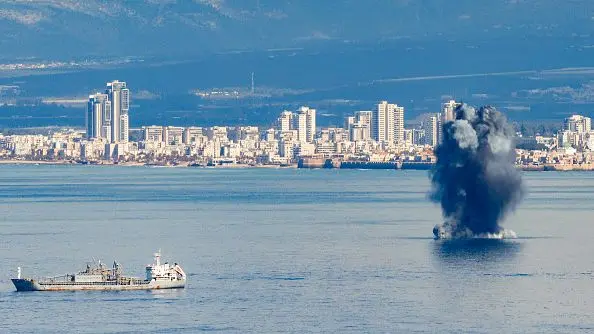
Iran wasted no time in responding, launching missiles and drones at Israel and US interests in the region. The IDF reported multiple barrages, with sirens blaring across Israel since early morning (the first alert at 08:09 GMT). Defensive systems like Iron Dome have been intercepting projectiles, but some damage has occurred, including explosions over Haifa’s bay.
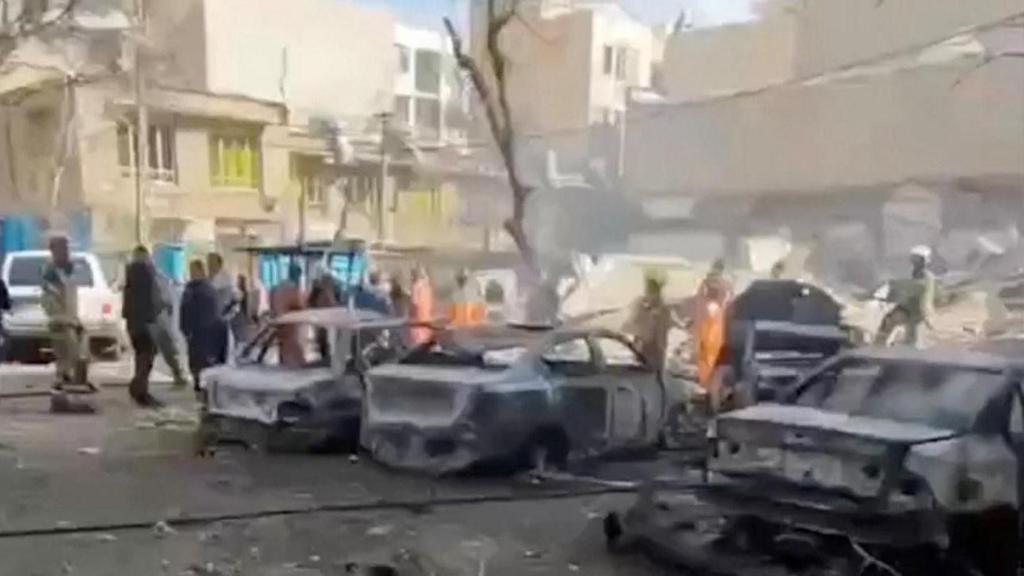
The retaliation extended beyond Israel, affecting Gulf states with US military presence. In Qatar, crowds fled as a falling object sparked a fireball in Doha, captured in viral footage. Bahrain witnessed a dramatic missile attack filmed from a car near the US Fifth Fleet base. Kuwait’s Ministry of Defense spokesperson Col. Saud Abdulaziz Al-Atwan confirmed ballistic missiles targeting the Ali Al-Salem airbase, intercepted by Kuwaiti defenses, resulting in debris and shrapnel fallout. Images from a Kuwaiti motorway showed a burned-out truck and emergency response vehicles.
In the United Arab Emirates (UAE), a plume of smoke was visible near the Fairmont The Palm hotel in Dubai, with Iranian media claiming attacks on the city. The UAE Ministry of Defense reported intercepting Iranian missiles and drones, but a civilian was killed by falling debris from “Iranian ballistic missiles.” Similar interceptions were reported in Jordan, with smoke and explosions seen across the region.
Iran’s Foreign Minister Abbas Araghchi, speaking on NBC News amid the internet outage, downplayed losses, admitting Iran “may have lost one or two commanders” but confirming Supreme Leader Khamenei is “alive” as far as he knows. He described the strikes as “self-defense” and expressed openness to negotiations if attacks cease, noting ongoing US-Iran nuclear talks. Iranian state media denied deaths of key figures like President Masoud Pezeshkian, Army Commander Maj. Gen. Amir Hatami, Parliament Speaker Mohammad Baqer Qalibaf, and SNSC head Ali Larijani.
The scale of damage and casualties remains unclear due to communication blackouts, but reports suggest widespread panic in Iran, with queues at petrol stations as people prepare to flee.
International Reactions: Calls for De-Escalation Amid Military Involvement
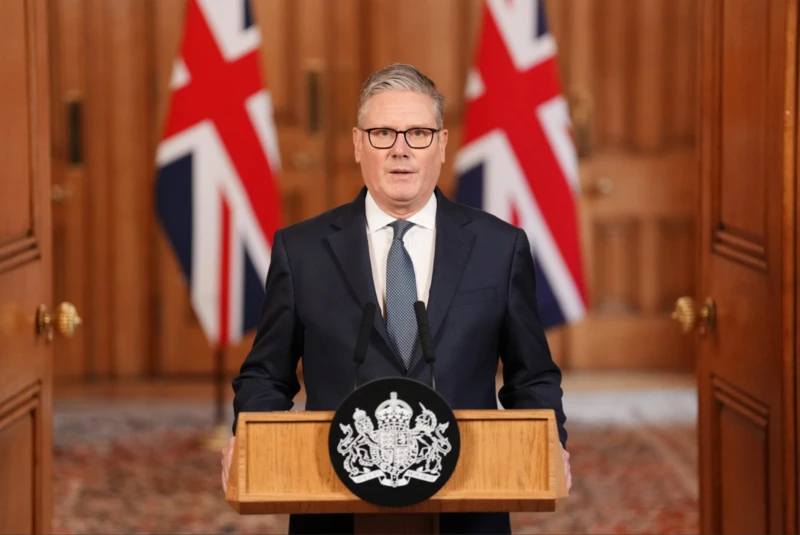
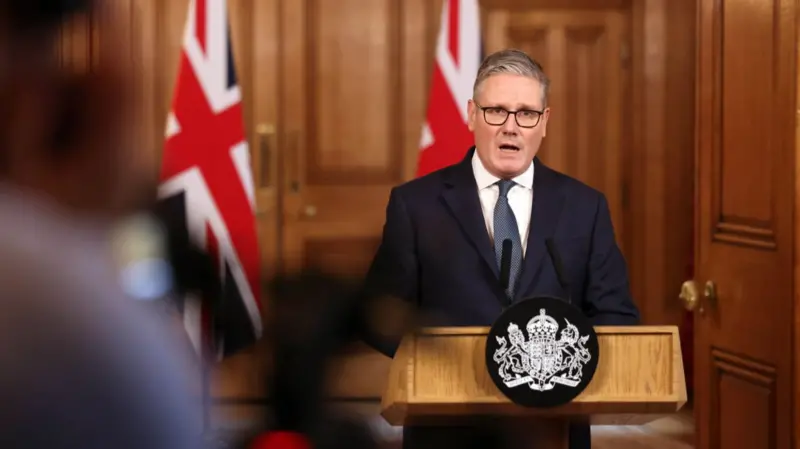
World leaders have reacted swiftly, emphasizing diplomacy while condemning escalations. UK Prime Minister Keir Starmer announced British planes are “in the sky today” in the Middle East as part of “co-ordinated regional defensive operations to protect our people, our interests and our allies.” In a televised statement, he urged Iran to “end this now,” cease strikes, abandon its weapons program, and stop repression against its people, calling for a return to negotiations.
A joint statement from Starmer, French President Emmanuel Macron, and German Chancellor Friedrich Merz condemned Iran’s retaliatory attacks, reiterating calls for Iran to end its nuclear and missile programs and halt regional destabilization. They affirmed non-participation in the strikes but commitment to stability and civilian protection.
UN Secretary-General Antonio Guterres condemned the actions, stating they undermine international peace and calling for an “immediate cessation of hostilities.” An emergency UN Security Council meeting, requested by Bahrain, Colombia, China, Russia, and France, is scheduled for 21:00 UK time (16:00 ET).
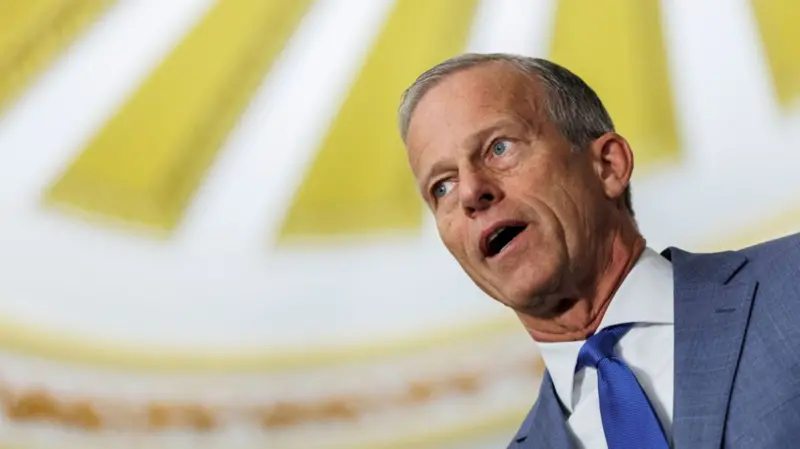
In the US, Senate Majority Leader John Thune noted Iran’s threats and called for briefings on the operations, criticizing the regime’s refusal of diplomatic solutions. President Trump acknowledged potential US casualties, with reports of US assets being repositioned—troops moved from Qatar’s Al-Udeid base and ships departing Bahrain—to minimize risks. BBC correspondent Barbara Plett Usher highlighted US public intolerance for high casualties, underscoring the political stakes.
Human Impact and Public Sentiment: Panic, Relief, and Protests
On the ground in Iran, reactions are mixed. BBC Persian reporters describe panic in Tehran’s streets, with heavy security around leadership compounds and quieter-than-usual traffic. Queues at petrol stations signal fears of prolonged conflict. However, some Iranians express relief, hoping for regime change.
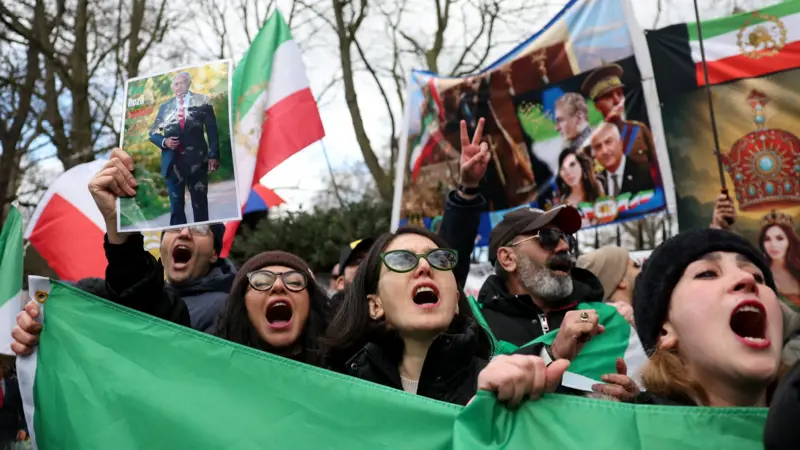
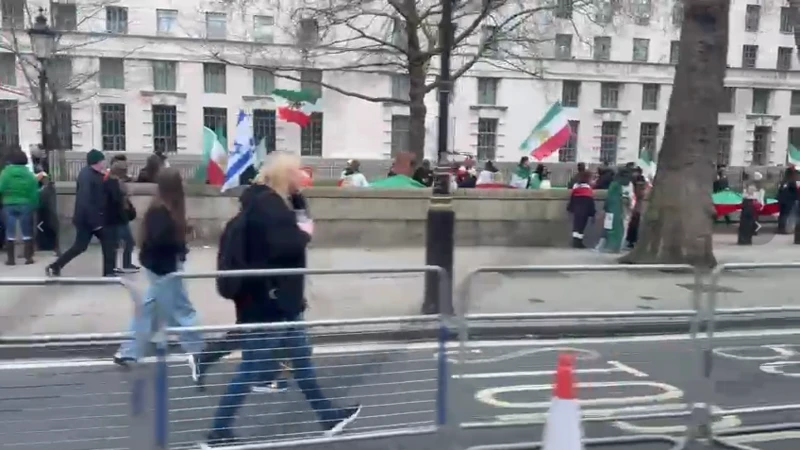
Outside Iran, diaspora communities have mobilized. In London, Iranian expats gathered outside the Iranian embassy and Downing Street, chanting “Long live Iran, long live Israel” and waving the historic Persian Lion and Sun flag in opposition to the regime. Many carried images of Reza Pahlavi, the exiled son of the last Shah, with his cousin Davoud Pahlavi appearing to energize the crowd. Protesters shared homemade spirits while worrying about unreachable loved ones amid the blackout.
In the US, from Florida, BBC reporter Bernd Debusmann Jr. noted anticipation around Trump’s movements, with press seeking direct comments amid his travel.
Strategic and Broader Implications: A Vulnerable Regime and Risk of Wider War
This conflict highlights Iran’s vulnerabilities—its aging air defenses, internal repression, and economic strains—but also the risks for the US and Israel. With 30,000-40,000 US troops in the region, any escalation could lead to significant losses. Iran’s ballistic missiles and proxies (like Hezbollah or Houthis) could widen the fight, potentially involving more nations.
The strikes aim to thwart Iran’s nuclear ambitions and regional influence, but critics argue they may unify Iranians behind the regime or provoke asymmetric responses, such as cyberattacks or terrorism. Diplomatic off-ramps, like renewed nuclear talks, remain possible, as Araghchi indicated.
Conclusion: Toward Diplomacy or Deeper Conflict?
As plumes of smoke rise across the Middle East, the world stands at a crossroads. The US-Israeli strikes and Iranian retaliations have claimed lives, disrupted lives, and heightened global tensions. While leaders call for de-escalation, the path forward depends on restraint. At WorldAffair.org, we’ll continue monitoring this crisis, providing unbiased, detailed analysis. What are your thoughts on this development? Share in the comments below, and stay informed as events unfold.
Sources: This post is based on live reporting from BBC News, including contributions from Jenna Moon, Rorey Bosotti, Jamie Whitehead, Hugo Bachega, Barbara Plett Usher, Bernd Debusmann Jr., and BBC Persian. All details are as reported on February 28, 2026.
Author Profile

- Syed Tahir Abbas is a Master's student at Southwest University, Chongqing, specializing in international relations and sustainable development. His research focuses on U.S.-China diplomacy, global geopolitics, and the role of education in shaping international policies. Syed has contributed to academic discussions on political dynamics, economic growth, and sustainable energy, aiming to offer fresh insights into global affairs.
Latest entries
 World NewsFebruary 28, 2026Escalating Tensions in the Middle East: US and Israel Launch Joint Strikes on Iran Amid Retaliatory Attacks
 International RelationsFebruary 24, 2026Four Years of the War in Ukraine: A Global Perspective
 International RelationsFebruary 18, 2026Europe’s Israel Policy Faces a Democratic Test: A Growing Movement for Accountability
 U.S. Foreign PolicyFebruary 2, 2026AI and Grand Strategy: The Case for Restraint – Navigating the Future of American Power