
Table of Contents
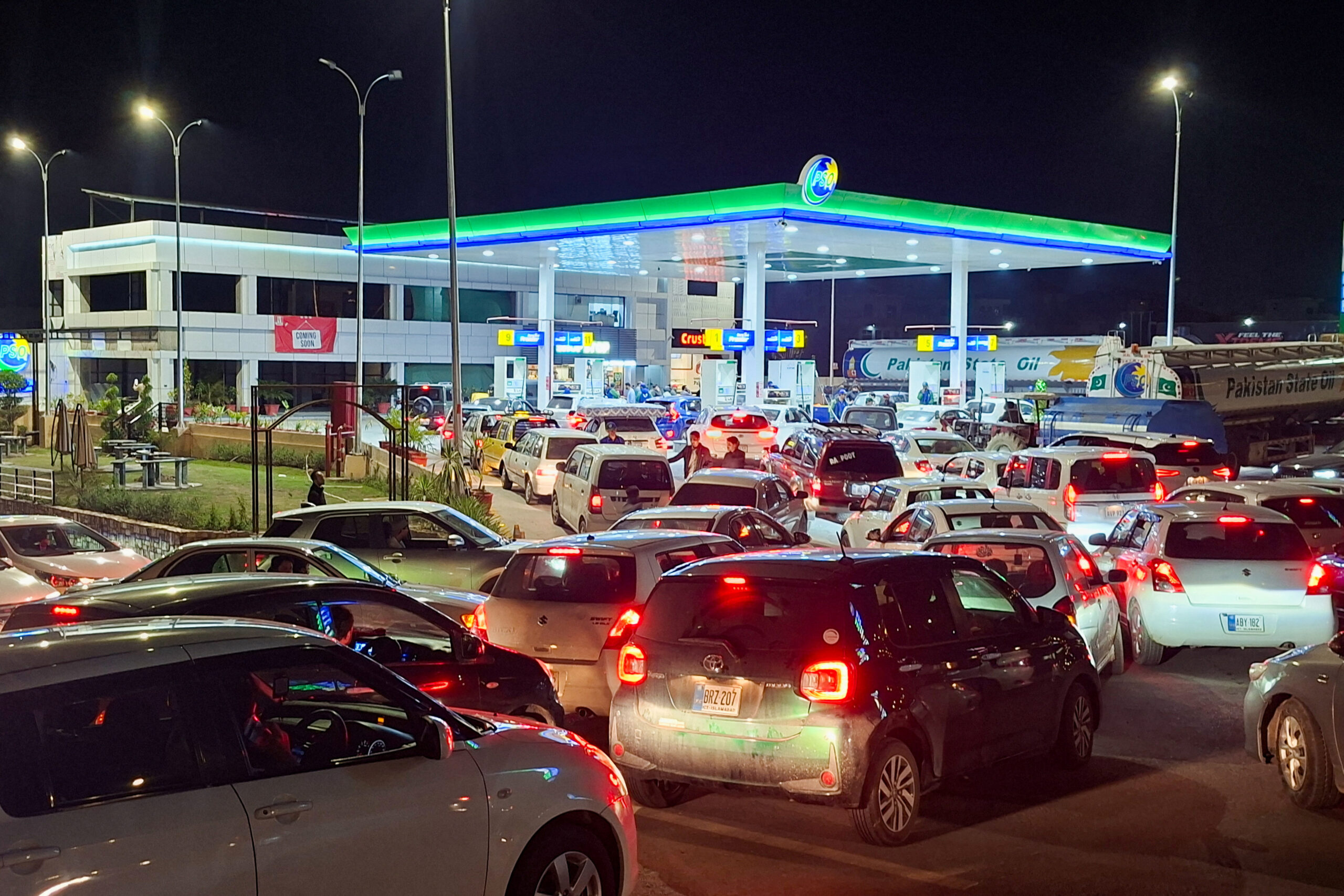
Petrol prices in Pakistan are steadily rising, and it’s not just another news headline anymore. For millions of Pakistanis, it’s a cause for concern, sometimes even panic. With each increase in fuel prices comes higher transport fares, expensive groceries, and an additional strain on household budgets.
The reality of rising petrol costs affects everyone from daily wage workers to students, from small shopkeepers to middle-class families. As one often-heard saying goes: “When petrol prices rise, nothing stays cheap,” and in Pakistan, this has become more of a truth than a saying.
The Ripple Effect of Rising Petrol Prices in Pakistan
The Struggles of a Rickshaw Driver in Faisalabad
Imagine the life of a rickshaw driver in Faisalabad. A few years ago, he could support his family, pay rent, and save a little. Today, however, rising fuel prices eat up a significant portion of his daily income. His entire livelihood depends on petrol or CNG, and the increase in petrol prices has forced him into a difficult situation:
- Raise fares and risk losing passengers
- Keep fares low and barely make ends meet
In his own words, one driver might say, “People argue when I ask for higher fare, but what can I do? Petrol is expensive, and I have a family to feed.” This story is not unique; it’s the reality of thousands of drivers and workers across Pakistan.

Impact on Delivery Riders and Daily Wage Workers
For delivery riders, who work for food apps or courier services, petrol price hikes mean they don’t earn any extra money, even though they need to spend more on fuel. Their solution? They work longer hours, skip breaks, and push themselves harder to maintain the same income. However, they’re still left with less money after spending on petrol. It’s a vicious cycle.
Similarly, daily wage workers face a fixed income, but their expenses keep rising. There’s no safety net for them, and rising petrol prices only increase their financial stress.
The Struggles of Small Shopkeepers
In every neighborhood, small shopkeepers face their own battle. When the price of fuel increases, transportation costs rise, and so do the prices of essential goods. Flour, sugar, vegetables, cooking oil, and other staple items see price hikes because the trucks delivering goods are running on petrol or diesel.
When the shopkeeper raises prices, customers often complain, “Why are prices going up again?” The truth is, shopkeepers are just trying to survive and are not making significant profits from these hikes. They are caught in the same system, struggling to keep their businesses afloat.
From Petrol to Food Prices: The Chain Reaction
One of the biggest impacts of rising petrol prices is inflation—especially in essential goods like food. Here’s how it works:
- Transport costs increase as fuel prices rise.
- Supply costs increase, making it more expensive to get goods to the market.
- Market prices go up, including the price of food staples like atta (flour), vegetables, and oil.
This results in rising food prices, directly impacting families, especially those already struggling to make ends meet.
The Pressure on the Middle Class
The middle class in Pakistan is under immense pressure. While they’re not poor enough to receive government subsidies, they also can’t easily absorb rising costs. For salaried individuals, every month is a struggle:
- Fuel costs rise.
- Electricity and food prices continue to increase.
- School fees keep going up.
So, what do they do? They cut back on outings, delay medical treatments, and make compromises in their daily lives. The stress is often carried silently, as they don’t have the luxury of complaining.
Impact on Students: A Strain on Education
Students are also hit hard by rising petrol prices. Many rely on public transport or bikes to get to their schools or universities. When petrol prices increase:
- Bus fares go up.
- Bike fuel becomes costlier.
- Some students even miss classes to save money.
In some cases, parents have to make the difficult choice between paying for their child’s education or managing rising living expenses. Education, which should be a long-term investment, is becoming harder to prioritize.
Rising Petrol Prices: More Than Just an Economic Issue
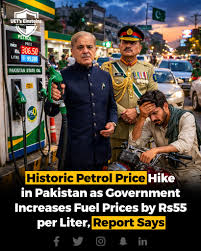
The emotional toll of rising petrol prices is just as real as the economic one. People constantly worry about how they’ll manage their finances, wondering: “Will the prices go up again this month?” This uncertainty creates frustration and anxiety.
As Franklin D. Roosevelt once said, “The only thing we have to fear is fear itself.” But in today’s situation, people are not just fearing—they are living with the real financial pressures every day.
Why Are Petrol Prices Rising in Pakistan?
There are several key reasons behind the rising petrol prices in Pakistan:
- Heavy dependence on imported oil
- A weak Pakistani Rupee
- High taxes and petroleum levies
- Fluctuations in global oil prices
While some of these factors are beyond control, others can be mitigated with better policy decisions.
What Can Be Done to Relieve the Pressure on People?
People are not asking for luxury—they are asking for fairness and relief. Here are a few steps that can make a tangible difference:
1. Reduce Taxes on Petrol
A significant portion of the petrol price is made up of taxes. Even a small reduction in taxes can provide immediate relief to consumers.
2. Improve Public Transport Systems
If public transport is affordable and reliable, fewer people will rely on private vehicles, reducing the demand for petrol. This will ease pressure on households.
3. Support Low-Income Groups with Targeted Relief
The government can introduce targeted subsidies or relief programs aimed at those who are struggling the most due to high fuel costs.
4. Invest in Alternative Energy Sources
In the long run, investing in alternative energy such as solar energy and electric vehicles can reduce Pakistan’s dependence on imported fuel and help stabilize fuel prices.
5. Control Inflation Across the Economy
Fuel prices are just one part of the broader inflation issue in Pakistan. A comprehensive economic strategy is needed to control overall inflation and provide economic stability.
Conclusion: Rising Petrol Prices Are Not Just an Economic Burden—they’re a Social One Too
Rising petrol prices are not just an economic issue; they are a people’s issue. From the rickshaw driver to the shopkeeper, from the middle-class worker to the student, everyone is feeling the impact in their daily lives.
The people of Pakistan are not asking for luxury. They are asking for something much simpler:
- Affordable transport
- Reasonable food prices
- A stable cost of living
It’s time to listen. It’s time to act. Policies need to focus on providing real relief, not just temporary fixes.
If people are struggling to afford basic needs, something is clearly wrong with the system. Pakistan’s strength is not just measured by its GDP or economic indicators—it’s measured by the well-being of its people.
Frequently Asked Questions (FAQ)
1. Why do petrol prices keep rising in Pakistan?
Rising petrol prices in Pakistan are due to heavy reliance on imported oil, fluctuations in global oil prices, and the weak Pakistani Rupee, which all contribute to increasing fuel costs.
2. How do rising petrol prices affect daily life in Pakistan?
Rising petrol prices lead to increased transport fares, higher grocery prices, and more financial stress on workers, students, and families. Everyone from rickshaw drivers to shopkeepers feels the impact.
3. What can the government do to help people cope with rising petrol prices?
The government can reduce taxes on petrol, improve public transport, support low-income groups, and invest in alternative energy to reduce the country’s reliance on expensive imported fuel.
Author Profile

- I'm Farhat Sakeena, a certified English language teacher and proofreader with a BS Hons in English Language and Literature from Govt College University Faisalabad. Holding a 120-hour TEFL certification from World TESOL Academy, I've honed my skills in teaching English online and providing high-quality proofreading services. As a dedicated freelancer, I help students and professionals improve their language skills and refine their writing.
Latest entries
 EducationJune 30, 2026The Classroom We Never Chose: A Student’s Right to Dignity
 Academic FreedomMay 10, 2026When Friends Become Strangers: The Silent Heartbreak of Losing Connections
 UncategorizedMay 5, 2026Rising Petrol Prices in Pakistan: A Burden People Can No Longer Ignore
 Religion & SpiritualityMarch 2, 2026Stand for Truth: Living Like Ali, Dying Like Hussain
