Table of Contents
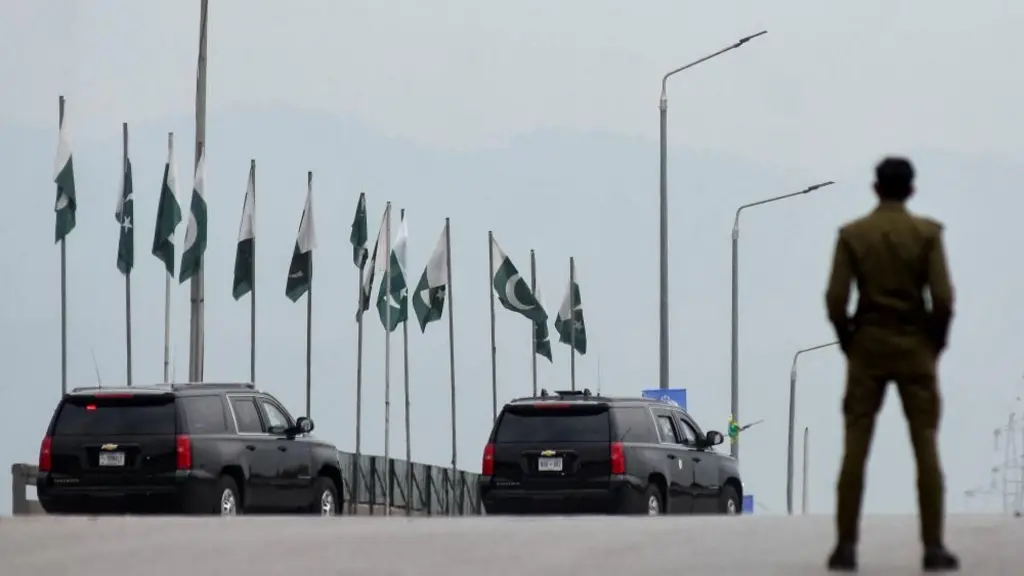
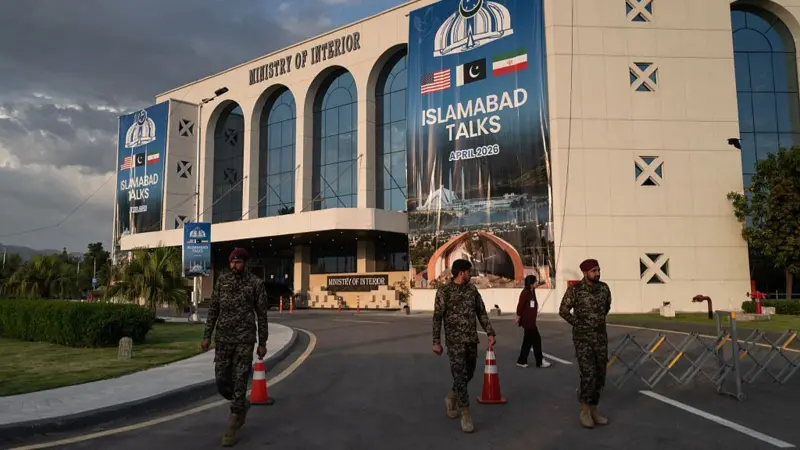
The much-anticipated US-Iran peace talks in Islamabad ended without a breakthrough, leaving questions about the future of diplomacy in the region. Despite over 21 hours of discussions, the delegations from both countries could not reach a consensus on crucial issues, particularly around Iran’s nuclear program, regional security concerns, and the ongoing tensions in the Strait of Hormuz.
Key Takeaways from the US-Iran Peace Talks
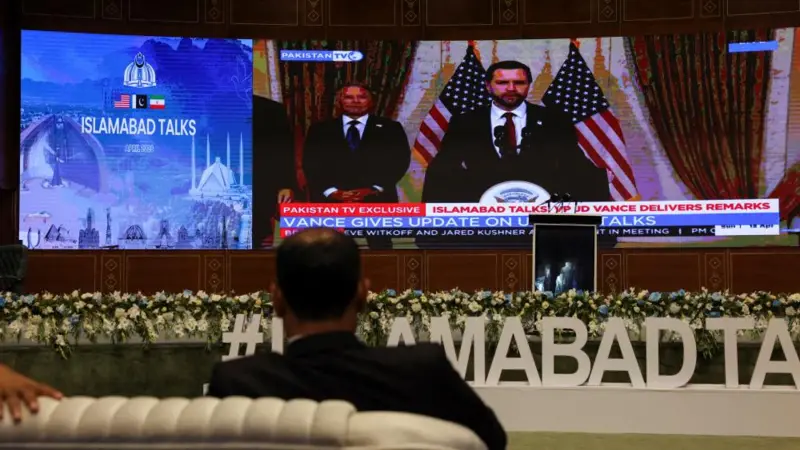
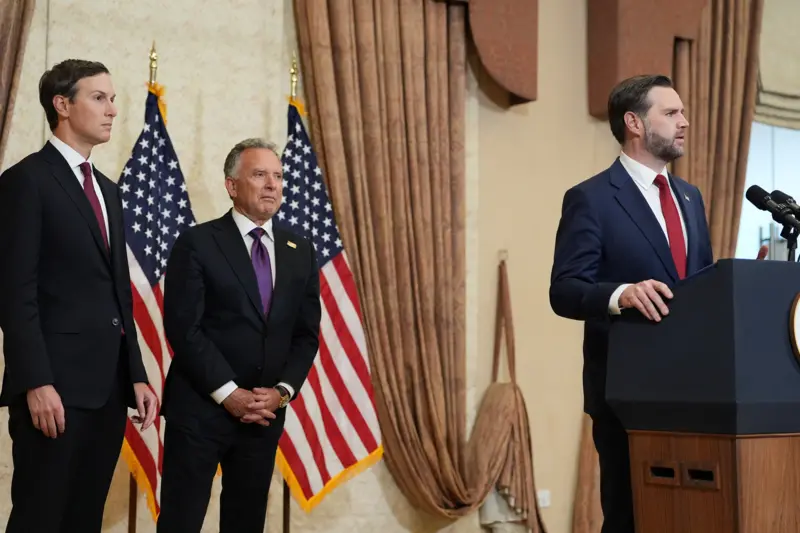
US Vice President JD Vance, who led the American delegation, stated that while the talks were substantive, the two sides failed to agree on critical terms. The US insisted on an affirmative commitment from Iran to cease its nuclear weapons program, a demand that Iran rejected. On the other hand, Iran expressed dissatisfaction with what it called “excessive demands” and “unlawful requests” from the US. As the talks concluded, both sides remained entrenched in their positions, signaling a significant setback for diplomatic efforts in the region.
Why Pakistan Played a Crucial Role in These Talks
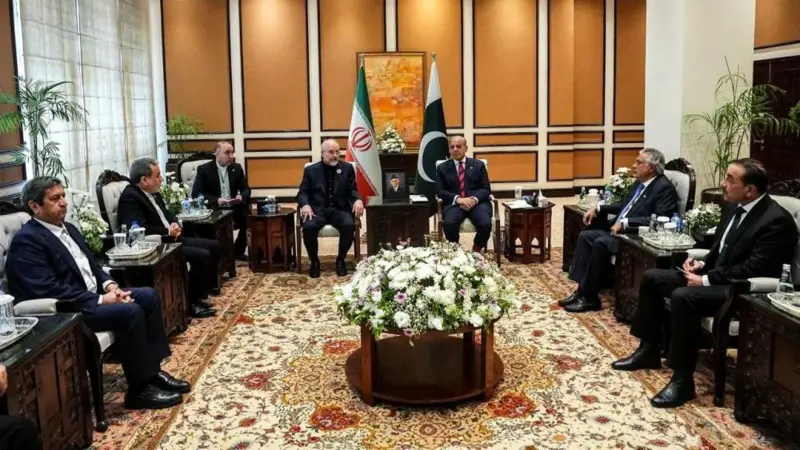
One of the standout aspects of the negotiations was Pakistan’s role as a mediator. Acting as a neutral ground, Pakistan facilitated the talks, relayed messages between the two countries, and helped broker a ceasefire before the discussions in Islamabad. Pakistani officials, including Prime Minister Shehbaz Sharif and military leadership, were instrumental in keeping the dialogue going, despite the complex nature of the issues on the table.
Pakistan’s involvement is noteworthy because it shows that regional players, particularly those with historical ties to both the US and Iran, can act as crucial diplomatic bridges in a divided region. While the talks in Islamabad did not result in a deal, they demonstrate the importance of continued dialogue and the need for future negotiations.

The US and Iran’s Standoff: Nuclear Concerns Take Center Stage
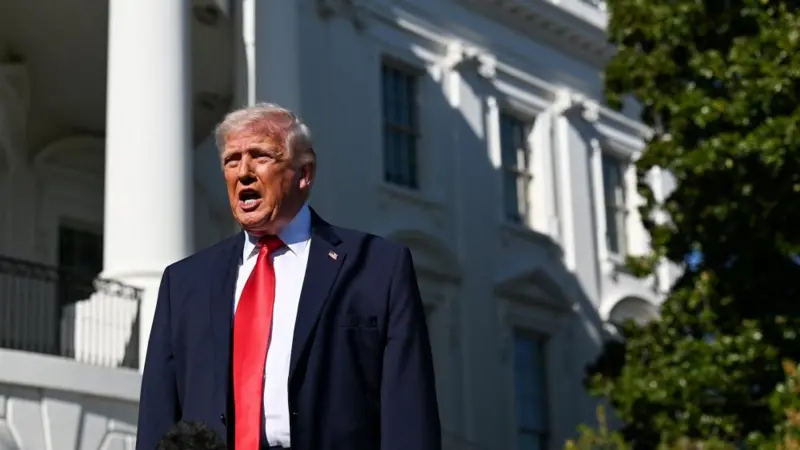
The core issue of the negotiations was Iran’s nuclear program. The US delegation, led by JD Vance, made it clear that its primary objective was to obtain a commitment from Iran to halt any future attempts to develop nuclear weapons. This was framed as a “core goal” by US President Donald Trump, who remained closely involved in the talks.
However, Iran rejected the US demands, calling them unreasonable. Iranian officials insisted on their legitimate rights, emphasizing that any agreement must respect Iran’s sovereignty and nuclear rights. The talks exposed a fundamental disconnect between the two sides, particularly on issues of nonproliferation and the future of Iran’s nuclear capabilities.
This failure to reach a consensus on nuclear issues is particularly significant because it indicates the difficulty in achieving a lasting agreement when key security concerns are involved. For the US, any deal would need to guarantee that Iran would never develop nuclear weapons, while Iran viewed the US demands as an overreach of their sovereignty.
The Strait of Hormuz: A Flashpoint in Global Trade
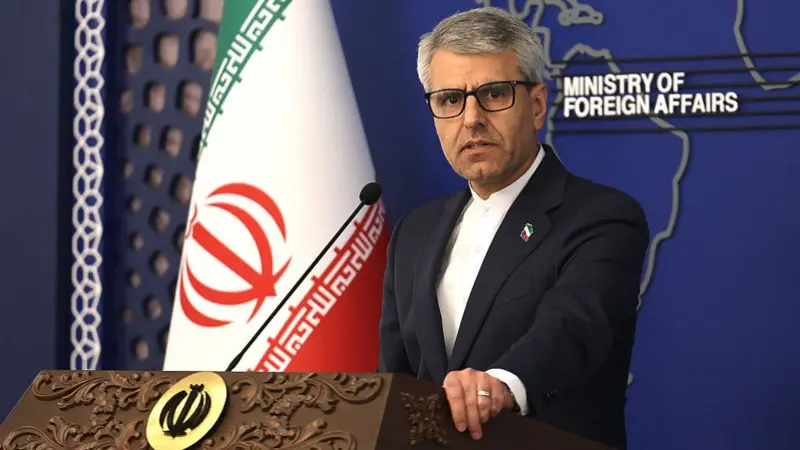
Beyond nuclear concerns, another major issue was the security of the Strait of Hormuz. The strait is a vital maritime route for global oil shipments, and its stability is crucial for energy security worldwide. The talks revealed tensions over US military activities in the region, including the alleged deployment of US navy destroyers in the Strait of Hormuz. Iran has denied these claims, and this discrepancy illustrates the fragile nature of the maritime security situation in the Gulf.
The Strait of Hormuz is more than just a geographical chokepoint—it is a global economic lifeline. Any escalation in this area could have far-reaching consequences on global oil prices and trade routes. The failure of the peace talks further fuels the risks associated with maritime security in the region, leaving the world on edge.

The Role of Hezbollah and Lebanon in the Regional Context
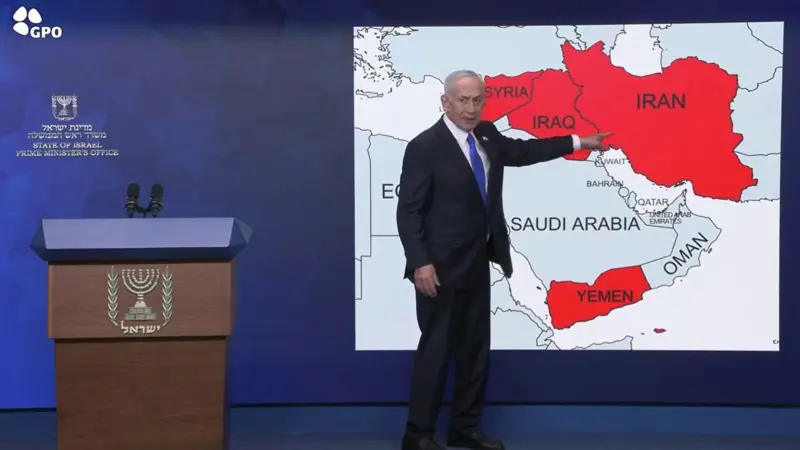
The US-Iran talks took place against the backdrop of ongoing Israeli military operations and broader regional instability. Israeli Prime Minister Benjamin Netanyahu expressed his desire for a peace deal with Lebanon, but conditioned it on the dismantling of Hezbollah’s military capabilities. This development highlights the interconnected nature of conflicts in the region, where US-Iran diplomacy cannot be fully separated from other issues, such as Israeli security concerns and the status of Hezbollah.
In this environment, even if US-Iran talks had led to an agreement, the broader regional dynamics—particularly the influence of non-state actors like Hezbollah—would have remained a critical challenge for long-term peace and stability.
What Happens Next for US-Iran Diplomacy?
The collapse of the peace talks marks a setback for diplomacy in the Middle East, but it does not signal the end of negotiations. Moving forward, several paths remain open:
1. Renewed Negotiations Through Mediators
It’s possible that the US and Iran could engage in renewed indirect negotiations, possibly through mediators like Pakistan or other regional players. This kind of diplomacy may allow both sides to ease into more substantive talks without facing the full pressures of a direct confrontation.
2. Increased Military Tensions
Without diplomatic progress, both sides may resort to more military signaling. The US and Iran have been involved in a low-grade military standoff for years, and further tensions in the Strait of Hormuz, or military posturing from both sides, cannot be ruled out.
3. Regional Spillover and Proxy Conflicts
The US-Iran talks also had implications for regional stability. As tensions escalate, the risk of proxy conflicts and further military engagement between Iran, Israel, and groups like Hezbollah remains high. These regional dynamics could complicate any future attempts at a peace deal.
4. Potential Shifts in Geopolitical Alliances
The failure of the talks could lead to a reshuffling of alliances in the Middle East. As the US and Iran continue to maneuver on the global stage, other regional powers—such as Saudi Arabia, Russia, and China—may seize opportunities to influence the direction of diplomacy and security arrangements.
Why the Talks Failed: Core Issues at Play
The failure of the US-Iran talks can be attributed to several key factors:
1. Divergent Strategic Goals
The US insisted on a permanent, binding commitment from Iran regarding its nuclear program, while Iran rejected these demands, viewing them as an infringement on its sovereignty.
2. Trust and Verification Issues
Both sides lacked trust in each other’s intentions. While the US framed its demands as necessary for global security, Iran saw them as an unfair attempt to limit its geopolitical autonomy.
3. Regional Pressure and Proxy Conflicts
The broader Middle East context, including ongoing proxy conflicts and tensions involving Hezbollah, Israel, and other regional players, complicated the negotiations.
4. Political Rhetoric and Domestic Pressures
The domestic political environments in both the US and Iran played a significant role in the talks’ failure. In the US, President Trump’s rhetoric often emphasized “winning” regardless of the outcome, which may have undermined the negotiation process. Meanwhile, Iran’s leadership faced significant pressure from hardliners to resist US demands.
The Bigger Picture: What Does This Mean for Middle East Peace?
The US-Iran talks in Pakistan were more than just a diplomatic encounter; they represented a crossroads in Middle Eastern geopolitics. The failure to reach a deal highlights the deep-rooted challenges that exist when dealing with nuclear nonproliferation, regional security, and historical grievances.
While the immediate outcome may be disappointing for those hoping for a peaceful resolution, the process itself has demonstrated that dialogue remains possible, even amid intense disagreements. For the future, both sides will need to find new ways to bridge the gaps between their strategic interests, or risk further instability in the region.
Author Profile

- Syed Tahir Abbas is a Master's student at Southwest University, Chongqing, specializing in international relations and sustainable development. His research focuses on U.S.-China diplomacy, global geopolitics, and the role of education in shaping international policies. Syed has contributed to academic discussions on political dynamics, economic growth, and sustainable energy, aiming to offer fresh insights into global affairs.
Latest entries
 GeopoliticsSeptember 21, 2026Xi-Trump Summit 2026: Can Managed Competition Survive the AI and Power Reality?
 GeopoliticsSeptember 7, 2026China’s New Front: Coast Guard Patrols East of Taiwan and the Quiet Expansion of Maritime Pressure in 2026
 Strategic AssessmentAugust 24, 2026The AI Choice Is Becoming Binary: Washington’s Push and Beijing’s Counter
 GeopoliticsJuly 28, 2026South China Sea Crisis Deepens: China-Philippines Standoff and the Future of Indo-Pacific Order