
Table of Contents
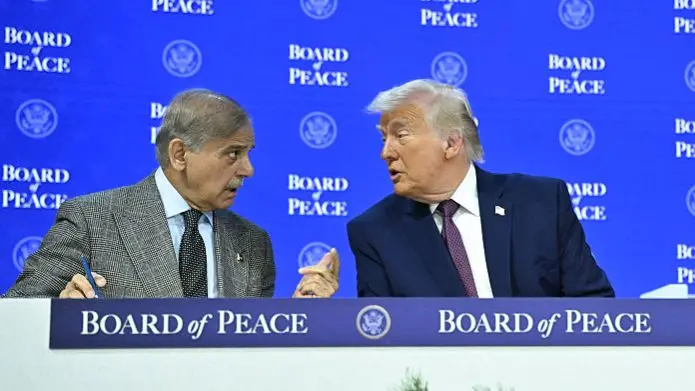
In an unprecedented development, US President Donald Trump and Iranian leadership have agreed to a conditional two-week ceasefire, marking a potential turning point in the ongoing conflict between the two nations. As part of the agreement, Iran has committed to reopening the critical Strait of Hormuz for safe passage of maritime traffic, a key global shipping route, provided that attacks against Iran cease. The ceasefire deal, mediated with the involvement of Pakistan, sets the stage for negotiations that could significantly impact regional stability and global energy markets.
This agreement has drawn attention across the world, especially given the high-stakes nature of the Strait of Hormuz and its vital role in the global oil supply. But, as with all complex international relations, the road to peace is fraught with challenges and uncertainties.
The Ceasefire Agreement: Terms and Conditions
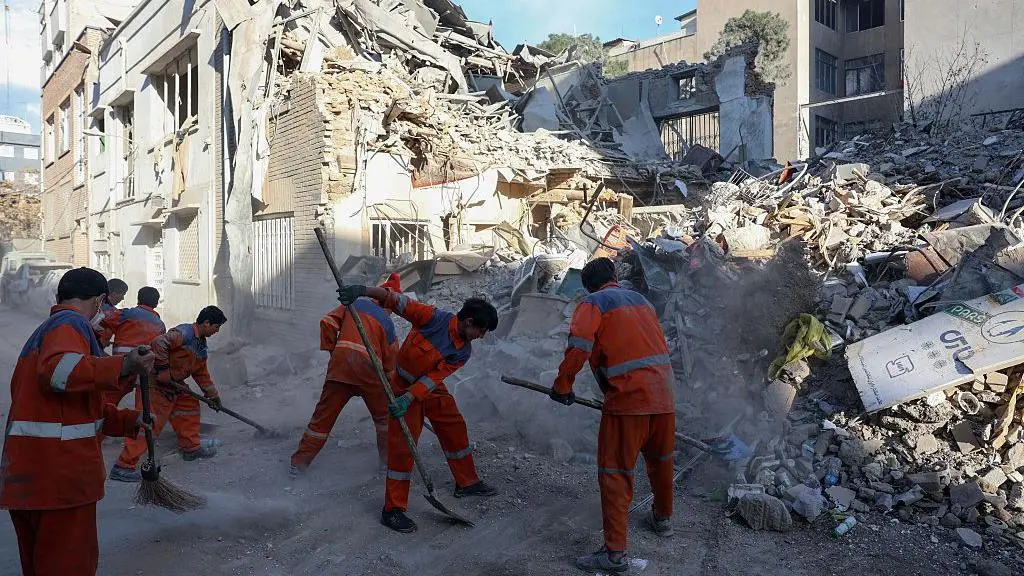
Under the terms of the ceasefire, Iran has agreed to halt its military activities, provided that attacks on its territory from the United States and its allies are suspended. President Trump’s deadline, initially set for a dramatic outcome or dire consequences, was extended through mediation by Pakistan, which played a pivotal role in securing the agreement. The ceasefire deal includes several key conditions:

- Reopening the Strait of Hormuz: One of the most significant outcomes of the ceasefire is the reopening of the Strait of Hormuz for global shipping. The strait, a vital chokepoint for oil exports, had seen disruptions due to the ongoing tensions. With the ceasefire in place, safe passage through the strait will be restored, allowing global oil markets to stabilize, though full relief may take time.
- No Military Action in the Region: The ceasefire agreement calls for the cessation of all hostilities between the US, Israel, Iran, and their respective allies in the region. This includes ending military actions in Iraq, Lebanon, and Yemen, where proxy wars have escalated tensions.
- Economic and Diplomatic Conditions: Iran’s demands for the lifting of economic sanctions and the release of frozen Iranian assets were integral to the agreement. The US has agreed to discuss these terms as part of future diplomatic negotiations, though full details on the lifting of sanctions remain to be seen.
- Nuclear and Security Provisions: In a key diplomatic concession, Iran has agreed to refrain from seeking nuclear weapons as part of the ceasefire plan. This represents a significant development in the ongoing nuclear tensions between the US and Iran.

The Global Impact of the Ceasefire
Oil Markets React: A Surge in Stability
The announcement of the ceasefire has already had a major effect on the global oil market. Oil prices, which had been soaring amid the uncertainty surrounding the closure of the Strait of Hormuz, saw a sharp decline after the ceasefire deal was made public. Brent crude, a global benchmark, fell by approximately 13.6%, with prices dropping below $100 per barrel, a welcome relief for oil consumers worldwide.
However, experts caution that while the immediate reaction has been favorable, it will take time for the full impact of the ceasefire to be felt at gas pumps globally. As the Gulf region resumes oil shipping, there will be a gradual recovery in oil supply chains, but the long-term effects on oil prices will depend on how quickly stability returns.
Political Ramifications: A Step Toward Peace?
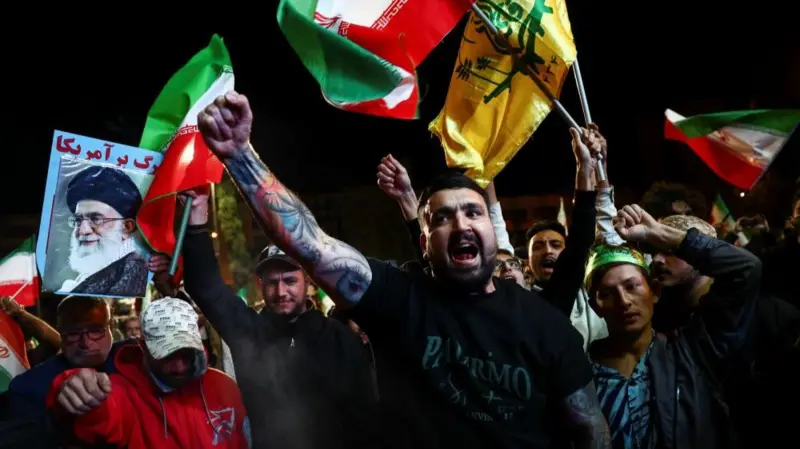
While the US and Iran have agreed to halt their military actions temporarily, the political dynamics remain fraught. The ceasefire is not a permanent solution; rather, it provides a window for further negotiations. The involvement of Pakistan as a mediator and the upcoming talks in Islamabad indicate a potential path forward, but there are numerous hurdles still to overcome, particularly regarding Iran’s nuclear ambitions and the ongoing regional conflicts.
The White House has hailed the ceasefire as a diplomatic victory, with the US claiming that its military leverage helped bring Iran to the negotiating table. However, critics argue that the situation remains volatile, and the true test will be whether both sides can stick to the terms of the agreement in the face of domestic and international pressure.
The Role of Israel and Regional Allies
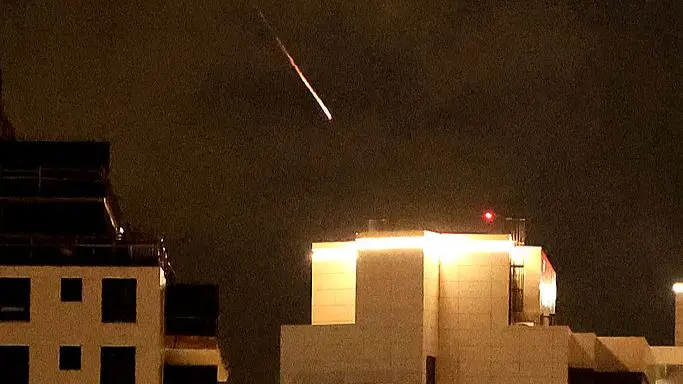
Israel has expressed its support for the ceasefire, but with certain conditions. The Israeli government has emphasized that the ceasefire should not extend to Lebanon, where Israeli forces have been engaged in operations against Hezbollah. Israel also insists on Iran’s commitment to ending its missile and terror activities in the region, which remain a significant security concern for the Jewish state.
As the situation unfolds, it remains to be seen how Israel’s stance will affect the broader ceasefire agreement. Israel’s ongoing concerns about Iran’s military capabilities and nuclear ambitions mean that the country’s involvement in future diplomatic negotiations will be critical.

Challenges and Uncertainties Ahead
While the ceasefire represents a critical step towards reducing hostilities, the path ahead is fraught with challenges. Trust between the US and Iran is still tenuous, and past negotiations have often been derailed by escalations in military conflict. The next round of talks in Islamabad will be crucial in determining whether this ceasefire will lead to a long-term peace agreement or whether the region will once again slide into conflict.
Moreover, there are significant economic challenges for Iran, which remains under heavy international sanctions. The US’s agreement to discuss the lifting of sanctions is a key point of contention, and the Iranian government is likely to push hard for relief, particularly regarding access to frozen assets and economic support for rebuilding its war-torn economy.

Conclusion: What’s Next for the US, Iran, and the Strait of Hormuz?
The conditional ceasefire between the US and Iran, while a moment of relief, is far from a resolution to the broader geopolitical crisis in the Middle East. The reopening of the Strait of Hormuz is a positive step for global trade, particularly oil exports, but it is only part of a much larger and more complex negotiation process.
As talks move forward, the world will be watching closely to see if this ceasefire can evolve into a more sustainable peace agreement. The next few weeks will be crucial in determining whether the US and Iran can move past their deep-seated tensions and work toward a future of stability in the Gulf region.
Author Profile

- Syed Tahir Abbas is a Master's student at Southwest University, Chongqing, specializing in international relations and sustainable development. His research focuses on U.S.-China diplomacy, global geopolitics, and the role of education in shaping international policies. Syed has contributed to academic discussions on political dynamics, economic growth, and sustainable energy, aiming to offer fresh insights into global affairs.
Latest entries
 GeopoliticsSeptember 21, 2026Xi-Trump Summit 2026: Can Managed Competition Survive the AI and Power Reality?
 GeopoliticsSeptember 7, 2026China’s New Front: Coast Guard Patrols East of Taiwan and the Quiet Expansion of Maritime Pressure in 2026
 Strategic AssessmentAugust 24, 2026The AI Choice Is Becoming Binary: Washington’s Push and Beijing’s Counter
 GeopoliticsJuly 28, 2026South China Sea Crisis Deepens: China-Philippines Standoff and the Future of Indo-Pacific Order

10 comments
ProDentim is a modern oral-health supplement formulated with specialized probiotics and naturally sourced ingredients to help maintain firm teeth
AquaSculpt is a high-quality metabolic support supplement created to help the body utilize fat more efficiently while maintaining steady
Backbiome is an advanced daily wellness supplement formulated to help support spinal comfort, reduce feelings of built-up tension, and promote freer, smoother movement throughout everyday life.
PurDentix is a revolutionary oral health supplement designed to support strong teeth and healthy gums. It tackles a wide range of dental concerns, including gum inflammation and tooth decay
GL Pro is a natural dietary supplement formulated to help maintain steady, healthy blood sugar levels while easing persistent sugar cravings.
Boostaro is a modern mens wellness formula created to support daily vitality, stamina, and confidence through a practical, natural routine.
NerveCalm is a high-quality nutritional supplement crafted to promote nerve wellness, ease chronic discomfort, and boost everyday vitality.
AquaSculpt is a high-quality metabolic support supplement created to help the body utilize fat more efficiently while maintaining steady
GL Pro is a natural dietary supplement formulated to help maintain steady, healthy blood sugar levels while easing persistent sugar cravings.
Backbiome is an advanced daily wellness supplement formulated to help support spinal comfort, reduce feelings of built-up tension, and promote freer, smoother movement throughout everyday life.