

Table of Contents
The ongoing conflict between Iran, Israel, and the United States has taken a dramatic turn, with renewed Israeli airstrikes on Iran and Lebanon, as well as US military actions targeting Iranian naval assets. As the war enters a volatile new phase, tensions in the region are heightening, with far-reaching implications for global security and the global economy, particularly the oil markets. In a series of significant military actions, the US reported the destruction of 16 Iranian mine-laying ships, while Israel launched a fresh round of airstrikes targeting Iranian-backed Hezbollah infrastructure in Lebanon and Syria.
This blog post delves into the latest developments in this high-stakes conflict, exploring the military actions, political implications, and the broader global consequences, particularly on global oil prices.
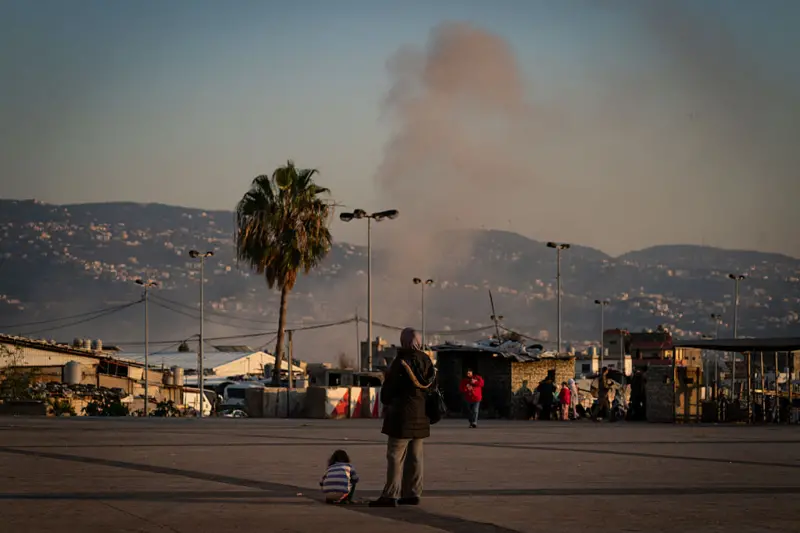
Israel’s Strikes on Iran and Lebanon
In the latest escalation, Israel has carried out fresh missile strikes against Iranian military assets in Tehran and southern Lebanon. The Israeli Defense Forces (IDF) confirmed that they were targeting Hezbollah infrastructure in southern Beirut, where Iranian-backed militants are believed to have established strongholds. These strikes are part of Israel’s ongoing campaign to diminish Iranian influence in the region and weaken Hezbollah, a group that poses a significant security threat to Israel.
Impact in Lebanon: Civilians Caught in the Crossfire
The Israeli airstrikes in Beirut have caused widespread destruction, displacing thousands of Lebanese citizens. Many have sought refuge in makeshift shelters, including schools and sports stadiums, as they attempt to escape the bombing raids. In particular, the Camille Chamoun Sports City Stadium in Beirut has been repurposed as a shelter for displaced families. This situation is an ongoing humanitarian crisis, with families forced to cope with the trauma of war, loss, and displacement.

US Military Actions: 16 Iranian Ships Destroyed
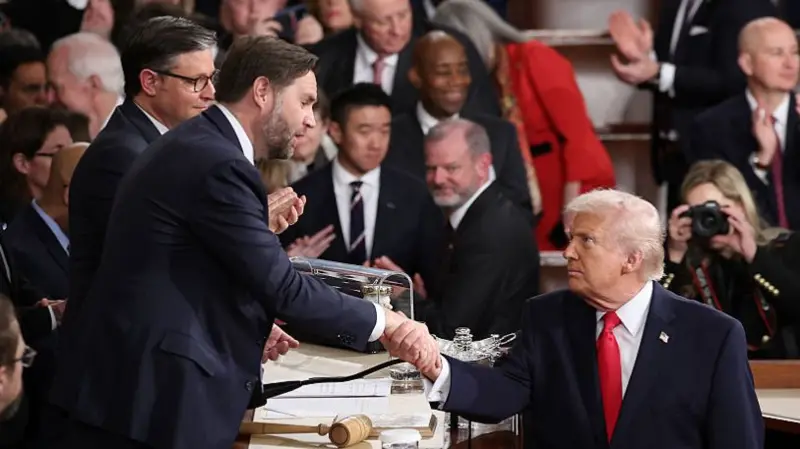
On the US front, tensions escalated with the destruction of 16 Iranian mine-laying ships near the Strait of Hormuz. The US Central Command (Centcom) announced that it had successfully “eliminated” these vessels, which were believed to be involved in laying naval mines in the vital shipping lane. US President Donald Trump had previously warned Iran not to deploy mines in the Strait, one of the world’s busiest oil shipping routes, or face retaliation.
The Threat to Global Oil Supply
The Strait of Hormuz is responsible for transporting nearly 20% of global oil supplies. Any disruption to this key shipping lane sends shockwaves through the energy markets, causing oil prices to surge. The US response was swift and decisive, aiming to secure the passage and ensure the continued flow of oil.
Trump’s remarks, promising to “deal with [Iranian ships] quickly and violently,” underline the high stakes of maintaining control over this critical maritime chokepoint. While the strikes have had a military impact, the broader economic consequences are also being felt as global oil prices soar.
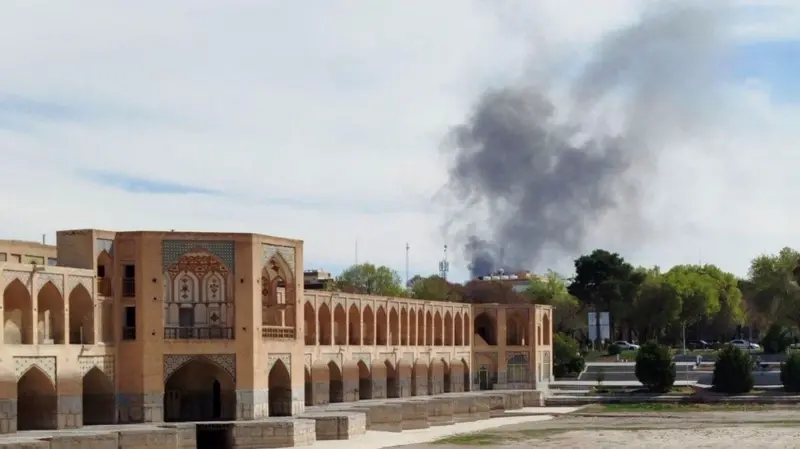
The Role of Hezbollah and Iran in the Conflict
Hezbollah, a Lebanese militant group, has long been a proxy for Iran in the region. The group’s role in the conflict between Israel and Iran has drawn increasing attention, as it continues to operate out of southern Lebanon, directly threatening Israeli security. Israeli PM Benjamin Netanyahu has openly called on the Iranian people to overthrow the Ayatollah regime and end their government’s support for groups like Hezbollah.
Iran’s Strategic Objectives
Iran, under its Supreme Leader, has long used proxy groups across the Middle East to exert its influence and challenge Israel’s security. Hezbollah’s infrastructure in Lebanon is one of the primary targets for Israeli airstrikes, and Tehran has been actively supporting its operations with resources, training, and military support. The destruction of Hezbollah’s infrastructure, if successful, would mark a significant blow to Iran’s ability to project power in the region.

The Broader Impact of the Conflict: Global Oil Prices Soar
As the military actions intensify, the conflict is sending ripples across the global economy, particularly in the energy sector. The closure of the Strait of Hormuz, as a result of Iranian threats to target shipping lanes, has caused a major spike in oil prices. Global oil prices have surged to over $110 a barrel, the highest level seen since the Russian invasion of Ukraine in 2022.
Economic Ripple Effects
The price of crude oil has a direct impact on everything from gasoline prices to the cost of goods and services. As shipping costs increase, manufacturers, retailers, and consumers alike are feeling the pressure. Companies across industries will inevitably pass these increased shipping costs down to consumers, meaning that prices for everyday goods are likely to rise.
Vincent Clerc, the CEO of Danish shipping giant Maersk, pointed out that these increased shipping costs will eventually be passed on to consumers. The conflict’s impact on global trade and shipping lanes has triggered a warning for businesses around the world that economic recovery from the pandemic could be further delayed by rising costs.
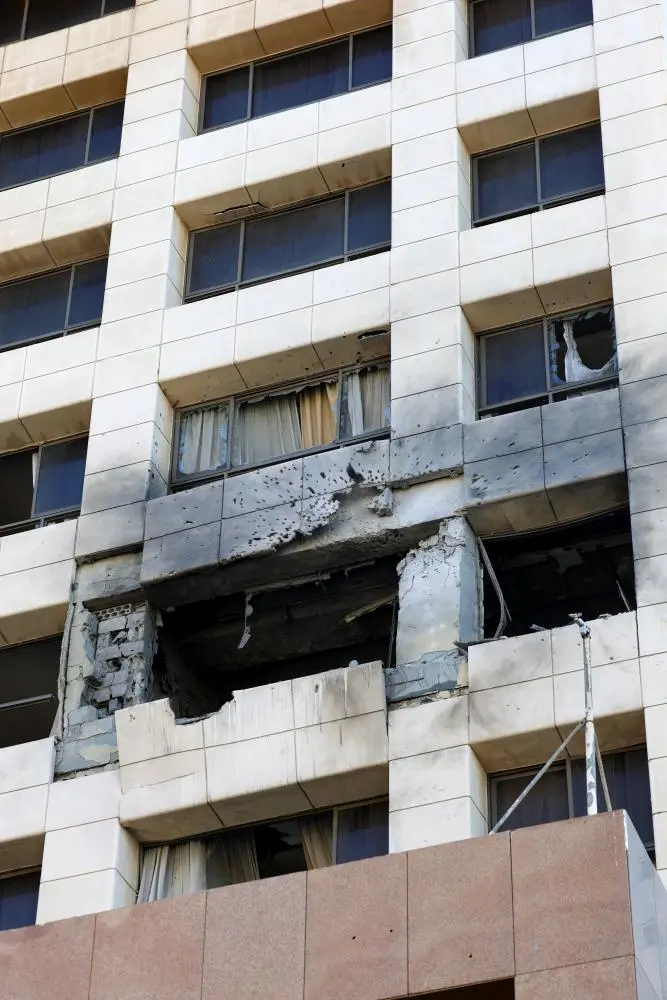
Iranian Domestic Unrest: Political Crackdown and Protests
At home, the Iranian government has responded to the ongoing conflict with heightened internal repression. Iran’s police chief, Ahmadreza Radan, warned that anyone who protests against the government will be treated as an “enemy.” This authoritarian response to internal dissent follows months of anti-government protests in Iran, which have been violently suppressed by the regime.
Regime Change and the Call for Revolt
In a provocative move, Israeli Prime Minister Benjamin Netanyahu addressed the Iranian people directly, urging them to rise up against their government. Netanyahu’s message called for the Iranian people to “remove the Ayatollah regime” and “seize the moment” to secure their freedom. This rhetoric aligns with Israel’s broader strategy to weaken the Iranian regime and encourage regime change from within.

US Forces Evacuate American Citizens from the Middle East
As tensions continue to escalate, the US government has been assisting its citizens in leaving the Middle East. The US State Department reported that over 40,000 Americans have fled the region since the conflict began, with charter flights and commercial airlines helping many evacuate. The ongoing war has prompted the US and other Western nations to implement emergency evacuation measures for their citizens, signaling the growing instability in the region.
The Growing Humanitarian Crisis
Beyond the geopolitical and economic consequences, the human cost of this war continues to rise. Thousands of civilians in Iran, Lebanon, and across the region are caught in the crossfire, as airstrikes and ground assaults devastate infrastructure and displace entire populations. In Lebanon, displaced families have taken shelter in sports stadiums and schools, while others in Iran are struggling to cope with the aftermath of bombings and attacks on key infrastructure.
Calls for a Truce and Diplomatic Resolution
As the situation worsens, international organizations, including the United Nations, have called for an urgent ceasefire and a diplomatic resolution to prevent further escalation. However, the path to peace seems uncertain, with both Israel and Iran committed to their military objectives. Global powers, including the US, Israel, and Iran, will need to find a way to de-escalate the situation before it spirals into an even broader regional conflict.

Conclusion: A Complex and Volatile Conflict
The ongoing conflict between Israel, Iran, and the US is one of the most significant geopolitical crises in recent history. With military actions intensifying on all fronts, the situation remains highly volatile. From Israeli airstrikes on Hezbollah infrastructure in Lebanon to US attacks on Iranian naval vessels, every move taken by these powers will have far-reaching consequences.
As the global economy grapples with surging oil prices and shipping disruptions, and as the humanitarian crisis deepens, the stakes are higher than ever. The future of the Middle East, the balance of power, and the global economy are all at risk, and how this conflict evolves will shape the world for years to come.
Author Profile

- Syed Tahir Abbas is a Master's student at Southwest University, Chongqing, specializing in international relations and sustainable development. His research focuses on U.S.-China diplomacy, global geopolitics, and the role of education in shaping international policies. Syed has contributed to academic discussions on political dynamics, economic growth, and sustainable energy, aiming to offer fresh insights into global affairs.
Latest entries
 GeopoliticsSeptember 21, 2026Xi-Trump Summit 2026: Can Managed Competition Survive the AI and Power Reality?
 GeopoliticsSeptember 7, 2026China’s New Front: Coast Guard Patrols East of Taiwan and the Quiet Expansion of Maritime Pressure in 2026
 Strategic AssessmentAugust 24, 2026The AI Choice Is Becoming Binary: Washington’s Push and Beijing’s Counter
 GeopoliticsJuly 28, 2026South China Sea Crisis Deepens: China-Philippines Standoff and the Future of Indo-Pacific Order

41 comments
**prostafense**
ProstAfense is a premium, doctor-crafted supplement formulated to maintain optimal prostate function, enhance urinary performance, and support overall male wellness.
**prodentim**
ProDentim is a distinctive oral-care formula that pairs targeted probiotics with plant-based ingredients to encourage strong teeth, comfortable gums, and reliably fresh breath.
**neurosharp**
Neuro Sharp is a modern brain-support supplement created to help you think clearly, stay focused, and feel mentally confident throughout the day.
**nerve calm**
NerveCalm is a high-quality nutritional supplement crafted to promote nerve wellness, ease chronic discomfort, and boost everyday vitality.
**boostaro**
Boostaro is a purpose-built wellness formula created for men who want to strengthen vitality, confidence, and everyday performance.
**aquasculpt**
AquaSculpt is a high-quality metabolic support supplement created to help the body utilize fat more efficiently while maintaining steady, reliable energy levels throughout the day.
**mitolyn**
Mitolyn is a carefully developed, plant-based formula created to help support metabolic efficiency and encourage healthy, lasting weight management.
**heroup**
HeroUP is a premium mens wellness formula designed to support sustained energy, physical stamina, and everyday confidence.
MounjaBoost is a next-generation, plant-based supplement created to support metabolic activity, encourage natural fat utilization
ProDentim is a distinctive oral-care formula that pairs targeted probiotics with plant-based ingredients to encourage strong teeth, comfortable gums, and reliably fresh breath.
Boostaro is a purpose-built wellness formula created for men who want to strengthen vitality, confidence, and everyday performance.
Mitolyn is a carefully developed, plant-based formula created to help support metabolic efficiency and encourage healthy, lasting weight management.
PurDentix is a revolutionary oral health supplement designed to support strong teeth and healthy gums. It tackles a wide range of dental concerns
Maintaining prostate health is crucial for men’s overall wellness, especially as they grow older. Conditions like reduced urine flow, interrupted sleep
Gluco6 is a natural, plant-based supplement designed to help maintain healthy blood sugar levels.
InsuLeaf is a high-quality, naturally formulated supplement created to help maintain balanced blood glucose, support metabolic health, and boost overall vitality.
Arialief is a carefully developed dietary supplement designed to naturally support individuals dealing with sciatic nerve discomfort while promoting overall nerve wellness.
Manergy is an advanced male vitality supplement created to help support healthy testosterone levels
ProstAfense is a premium, doctor-crafted supplement formulated to maintain optimal prostate function, enhance urinary performance, and support overall male wellness.
NerveGenics is a naturally formulated nerve-health supplement created to promote nerve comfort, cellular energy support, antioxidant defense
NerveCalm is a high-quality nutritional supplement crafted to promote nerve wellness, ease chronic discomfort, and boost everyday vitality.
Nitric Boost Ultra is a daily wellness formula designed to enhance vitality and help support all-around performance.
Kerassentials is an entirely natural blend crafted with 4 potent core oils and enriched by 9 complementary oils and vital minerals.
HeroUP is a premium mens wellness formula designed to support sustained energy, physical stamina, and everyday confidence.
NativeGut is a precision-crafted nutritional blend designed to nurture your dog’s digestive tract.
Prostadine concerns can disrupt everyday rhythm with steady discomfort, fueling frustration and a constant hunt for dependable relief.
AquaSculpt is a high-quality metabolic support supplement created to help the body utilize fat more efficiently while maintaining steady, reliable energy levels throughout the day.
The bodys natural process of skin cell renewal is essential for preserving a smooth, healthy, and youthful-looking complexion.
Prosta Peak is a high-quality prostate wellness supplement formulated with a comprehensive blend of 20+ natural ingredients and essential nutrients to support prostate health
GL Pro is a natural dietary supplement formulated to help maintain steady, healthy blood sugar levels while easing persistent sugar cravings.
AquaSculpt is a high-quality metabolic support supplement created to help the body utilize fat more efficiently while maintaining steady, reliable energy levels throughout the day.
Visium Pro is an advanced vision support formula created to help maintain eye health, sharpen visual performance, and provide daily support against modern challenges such as screen exposure and visual fatigue.
Prosta Peak is a high-quality prostate wellness supplement formulated with a comprehensive blend of 20+ natural ingredients and essential nutrients to support prostate health
ViriFlow is a dietary supplement formulated to help maintain prostate, bladder, and male reproductive health. Its blend of plant-based ingredients is designed to support urinary comfort and overall wellness as men age.
Nitric Boost Ultra is a daily wellness formula designed to enhance vitality and help support all-around performance.
GL Pro is a natural dietary supplement formulated to help maintain steady, healthy blood sugar levels while easing persistent sugar cravings.
Backbiome is a naturally crafted, research-backed daily supplement formulated to gently relieve back tension and soothe sciatic discomfort.
The bodys natural process of skin cell renewal is essential for preserving a smooth, healthy, and youthful-looking complexion.
Backbiome is a naturally crafted, research-backed daily supplement formulated to gently relieve back tension and soothe sciatic discomfort.
Добрый День,
Друзья.
В данный момент я бы хотел оповестить малость про
биржа крипто.
Я думаю Вы в поискее снова про работа!
На данный момент эта наиболее актуальная информация про traffic будет для сейчас
сто процентов будет полезной.
Если в поиске про веб реклама или про таргетинг реклама, возможно и про web coin?
На нашем сайте больше про работа онлайн,
Проверенные ссылки! Качественные обратные ссылки проверенные опытом!
НАШ SEO WEBSITE – crypto join: https://t.me/seovtop –
2025 работа онлайн
Только, если Вы реально искали информацию про трафик заработок, а также про таргетинг реклама, ты вы найдете
самую свежую и актуальную информацию
про удаленка или возможно хотите
купить ссылки.
Вы найдете много предложений для seo – а именно про биржа таргетинг и про ГЕО.
Входите с нами в контакт на нашем сайте
и вы наверняка найдете популярную и самую актуальную информацию от экспертов по поводу следующих тем касающихся нижеперечисленных ключевых слов,
а именно:
1. биржа рафика;
2. сео
3. Про crypto join;
4. заработок трафик;
5. биржа трафика
Наши Теги: Cryp, работа, биржа рафика, трафик заработок,
биржа таргетинг.
Доброго Вам Дня! https://t.me/seovtop/309
Вот комментарий на английском языке (языке исходного текста):
—
This escalation is terrifying—how many more civilians will be displaced or killed before diplomacy gets a real chance? The repurposing of stadiums as shelters is heartbreaking; war turns everyday spaces into symbols of survival. The US targeting Iranian ships near Hormuz risks inflaming an already volatile region—what’s the endgame here? Oil markets will panic, but human lives are paying the highest price. Israel’s strikes on Beirut feel like collective punishment—does dismantling Hezbollah justify collapsing Lebanon? And why does the world keep watching like this is some geopolitical chess game, not a humanitarian disaster? When do we stop normalizing war as “strategy” and start calling it what it is—failure?
—
(Комментарий провоцирует ответ, сочетая эмоциональный тон с конкретными вопросами, требующими позиции или пояснений от читателей.)