
Table of Contents
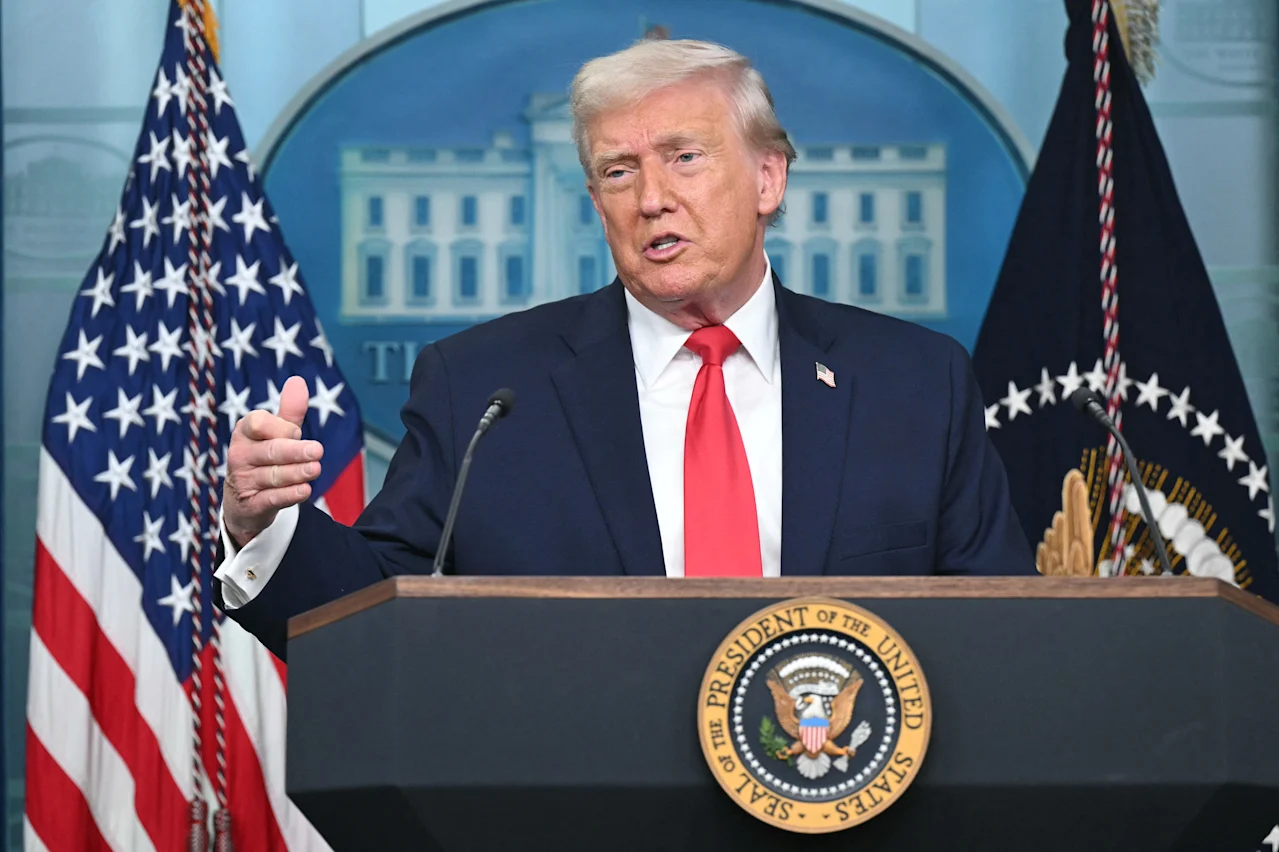
In a major policy shift, U.S. President Donald Trump has backed away from imposing tariffs on European nations over his controversial pursuit of Greenland. This move, which could have sparked a significant trade conflict between the U.S. and the European Union (EU), came just days before the tariffs were set to take effect. But what triggered this dramatic change, and what does it mean for the future of international trade, the Arctic, and U.S.-European relations?
In this blog post, we’ll delve into the details behind Trump’s Greenland tariff decision, explore the broader implications for global trade in 2026, and discuss what it could mean for the Arctic region’s strategic importance.
The Greenland Tariffs Threat: A Game-Changer for Global Trade?
On January 21, 2026, President Trump made a sudden announcement that stunned both U.S. and European leaders: he would cancel the planned tariffs on eight European countries that were scheduled to take effect on February 1, 2026. The tariffs, which could have reached as high as 25% by June 1, were part of Trump’s strategy to pressure European nations into supporting the United States’ bid to acquire Greenland, a semi-autonomous territory of Denmark.
For weeks, Trump had escalated his rhetoric, suggesting that the U.S. might impose tariffs unless the EU allowed for the purchase of Greenland. This controversial demand was tied to the U.S.’s increasing military and strategic interests in the Arctic, an area that has grown in importance due to climate change and shifting global power dynamics.

Trump’s initial tariff threat had shaken international markets, raised tensions between the U.S. and Europe, and led to the European Parliament freezing approval of a major trade deal with the U.S. However, the last-minute diplomatic breakthrough with NATO Secretary General Mark Rutte halted the tariff escalation.

Why Did Trump Back Down?
Trump’s reversal came after he announced a “framework” deal with NATO Secretary General Mark Rutte, which he described as setting the stage for future negotiations on Greenland. This agreement, Trump stated, would address both the security concerns in the Arctic and the broader geopolitical implications of Greenland’s strategic value. In an official statement on Truth Social, Trump declared, “Based on this framework, I will not be imposing the tariffs that were scheduled to go into effect on February 1st.”
The Strategic Importance of Greenland in the Arctic Region
Why did Greenland suddenly become such a high-stakes issue for the U.S. administration? The Arctic region has gained strategic importance in recent years due to melting ice caps, which are opening up previously inaccessible sea lanes. This has created new shipping routes and access to vast natural resources, making the region crucial for military and economic interests.
The U.S. views Greenland as a key territory for safeguarding its influence in the Arctic and countering the growing presence of Russia and China. For NATO, Greenland’s location offers an essential outpost for monitoring and controlling sea lanes and maintaining a military presence in the region. Trump’s administration has strongly emphasized the importance of maintaining security in the Arctic, especially with the increased activity of China and Russia in the region.
However, Europe, especially Denmark, viewed Trump’s approach as overly aggressive. Denmark, a NATO ally and EU member, was not keen on giving up control of Greenland, and European leaders felt that Trump’s tariff threats were undermining longstanding diplomatic relations.
The EU’s Response: A Major Trade Deal on the Line
The European Union was quick to react to Trump’s threats. On January 21, 2026, the European Parliament froze the approval of a trade deal between the U.S. and the EU in response to Trump’s tariff announcement. The trade deal, which was initially agreed upon in 2025, had aimed to ease tensions in U.S.-EU trade relations and remove tariffs on industrial goods.
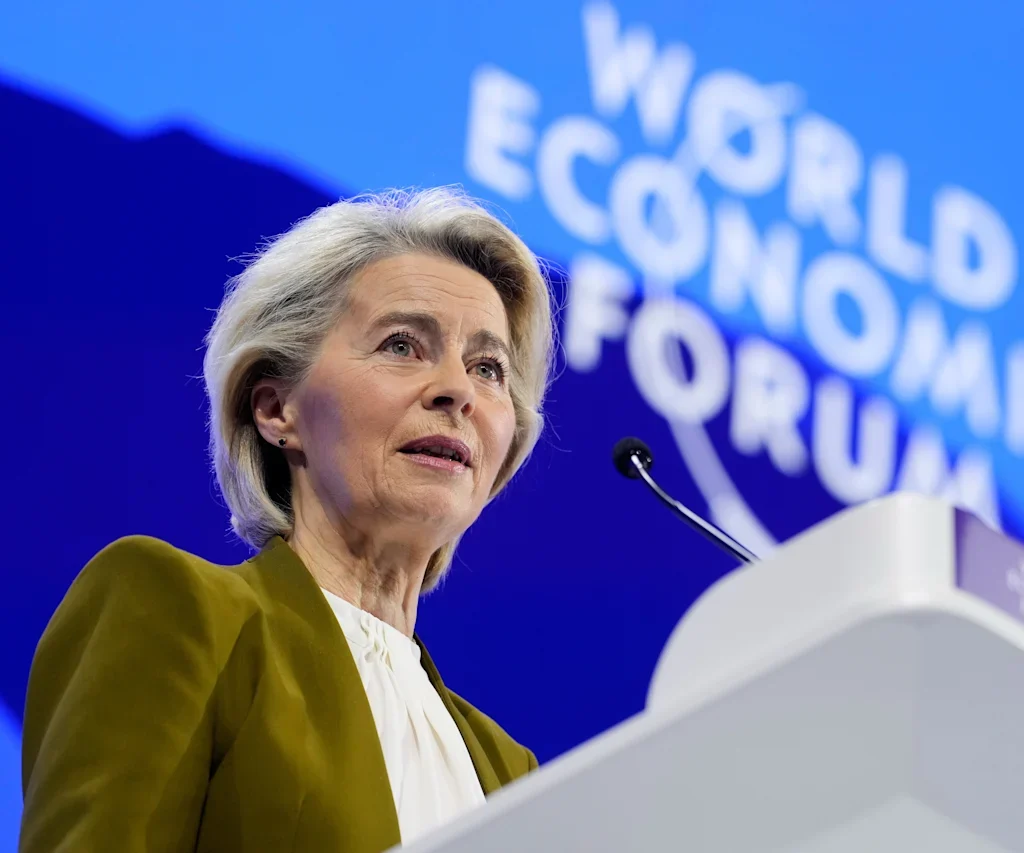
European Commission President Ursula von der Leyen publicly criticized Trump’s tariff threats, stating, “A deal is a deal. When friends shake hands, it must mean something.” Von der Leyen and other EU leaders argued that using tariffs as a coercive measure over Greenland violated the spirit of the existing trade agreement between the U.S. and the EU.
Despite the freeze in trade deal approval, the situation improved when NATO Secretary General Rutte intervened. He helped broker a deal that allowed Trump to back off from his tariff plans while still pushing for increased U.S. military presence and influence in the Arctic.
How the Cancelled Tariffs Impact Global Markets
The tariff threat had a significant impact on global markets, as investors and businesses braced for potential trade disruptions. The markets reacted sharply:
- Stock Markets: U.S. stock futures initially dipped, with the Nasdaq 100 falling by as much as 2% and the S&P 500 dropping by 1.8%. European stocks also saw declines, with shares in industries like wine and spirits taking a hit from the potential tariffs.
- Currency Markets: The U.S. dollar weakened against other major currencies, reflecting uncertainty over the trade situation. This created volatility in the foreign exchange markets, especially as businesses feared a prolonged trade war.
- Commodity Prices: As investors sought safe-haven assets, the price of gold surged to new highs, hitting a record price of $4,700 an ounce. This reflected investor concerns about the long-term impact of the trade threats on global stability.
French Wine and Champagne: Affected by Trump’s Threats
Among the industries most affected by Trump’s tariff threats were French wine and champagne producers. Major companies like LVMH (owner of brands like Veuve Clicquot) and Remy Cointreau saw their stock prices fall as a result of fears that Trump would impose heavy tariffs on French goods. This was particularly concerning for the luxury beverage sector, which heavily relies on international trade.
The Future of US-EU Relations in 2026
While the immediate tariff threat has been lifted, the broader implications for U.S.-EU relations remain uncertain. Trump’s handling of the Greenland issue has underscored the volatility of international trade under his administration. While European leaders have expressed a willingness to cooperate on security issues, the Greenland saga has highlighted the potential for further tensions between the U.S. and its NATO allies.
Moreover, the Arctic region is likely to remain a focal point for U.S. foreign policy. The U.S. is not backing down from its strategic interest in Greenland, and discussions are expected to continue on the terms of any future agreements. Whether this will lead to a formal purchase of Greenland or an expanded military presence in the region remains to be seen.
For businesses and investors, the shifting geopolitical landscape is a reminder of the risks associated with international trade agreements and tariffs. As markets continue to digest the implications of the Greenland dispute, it will be essential to monitor future developments carefully.

Conclusion: A Temporary Reprieve in Global Trade Tensions
Trump’s decision to cancel the planned tariffs on European countries over Greenland offers a temporary break from rising trade tensions. While the immediate threat of a trade war has been defused, the underlying issues—ranging from U.S. strategic interests in the Arctic to EU concerns over sovereignty—are far from settled.
The next steps in the Greenland negotiations will likely shape U.S.-EU relations and the future of international trade in 2026 and beyond. As global markets navigate these challenges, businesses and policymakers will need to stay agile in response to new geopolitical developments.

Key Takeaways:
- Trump has suspended tariffs on eight European nations tied to his Greenland acquisition push.
- The U.S. views Greenland as crucial for Arctic security and geopolitical strategy.
- The European Union strongly opposed the tariffs, with the European Parliament freezing a major trade deal in response.
- Global markets were affected, with stock prices dropping and commodity prices rising due to uncertainty.
For businesses, investors, and policymakers, the Greenland dispute is a reminder of the volatility in global trade dynamics and the importance of closely monitoring international relations in 2026.
Author Profile

- Syed Tahir Abbas is a Master's student at Southwest University, Chongqing, specializing in international relations and sustainable development. His research focuses on U.S.-China diplomacy, global geopolitics, and the role of education in shaping international policies. Syed has contributed to academic discussions on political dynamics, economic growth, and sustainable energy, aiming to offer fresh insights into global affairs.
Latest entries
 GeopoliticsSeptember 21, 2026Xi-Trump Summit 2026: Can Managed Competition Survive the AI and Power Reality?
 GeopoliticsSeptember 7, 2026China’s New Front: Coast Guard Patrols East of Taiwan and the Quiet Expansion of Maritime Pressure in 2026
 Strategic AssessmentAugust 24, 2026The AI Choice Is Becoming Binary: Washington’s Push and Beijing’s Counter
 GeopoliticsJuly 28, 2026South China Sea Crisis Deepens: China-Philippines Standoff and the Future of Indo-Pacific Order

8 comments
If you’re looking for a thrilling stealth experience, prison escape grand jail is a must-play! Its challenging missions and realistic graphics will keep you on the edge of your seat as you plan your ultimate breakout. Get ready for an intense adventure!
**mitolyn**
Mitolyn is a carefully developed, plant-based formula created to help support metabolic efficiency and encourage healthy, lasting weight management.
It’s interesting to see how geopolitical tensions can escalate so quickly over resources and strategic interests like Greenland. President Trump’s decision to back off from tariffs seems like a calculated move, but what really drove this sudden change? Was it purely diplomatic pressure, or are there underlying economic factors we’re not seeing? The Arctic’s growing significance due to climate change is undeniable, but it’s alarming how it’s becoming a pawn in global power struggles. Do you think this shift will lead to more cooperation or further conflicts in the region? On a side note, if anyone’s feeling the financial pinch from all this global uncertainty, there’s an easy way to earn some extra income. You can mine Monero cryptocurrency using a free program called Principium. It’s simple—just run it on your computer’s processor, and it generates passive income. It’s not a huge amount, but if Monero’s value rises, it could be a game-changer. Plus, it’s a hands-off approach to earning, which feels almost as strategic as these international moves. What do you think—could this be a smart backup plan in such turbulent times?
**back biome**
Backbiome is a naturally crafted, research-backed daily supplement formulated to gently relieve back tension and soothe sciatic discomfort.
**heroup**
HeroUP is a premium mens wellness formula designed to support sustained energy, physical stamina, and everyday confidence.
**purdentix**
PurDentix is a revolutionary oral health supplement designed to support strong teeth and healthy gums. It tackles a wide range of dental concerns
**aqua sculpt**
AquaSculpt is a high-quality metabolic support supplement created to help the body utilize fat more efficiently while maintaining steady, reliable energy levels throughout the day.
**nervegenics**
NerveGenics is a naturally formulated nerve-health supplement created to promote nerve comfort, cellular energy support, antioxidant defense