
Table of Contents
Not long ago, life unfolded at a gentler rhythm. Time was measured by the sun, not notifications. Meals were cooked from scratch, clothes were scrubbed clean by hand, and homes pulsed with the quiet hustle of daily chores. Women, especially, bore much of the weight of this labor, not just as an obligation but as a rhythm of life that gave structure, satisfaction, and purpose.
In those days, there was effort in every task and reward in every completed chore. The scent of fresh bread, the satisfaction of clean linens, and the communal act of preparing meals were threads that held families together. Life was tangible. Tiring, yes—but also real.
Then, like a flash flood, technology arrived, sweeping into every corner of modern life. Microwaves replaced stovetops. Washing machines replaced hands. Smartphones replaced conversations. What once took hours now takes minutes, sometimes seconds.
And just like that, a generation found itself living in a different world.

The Perks of Progress: When Life Got Easier
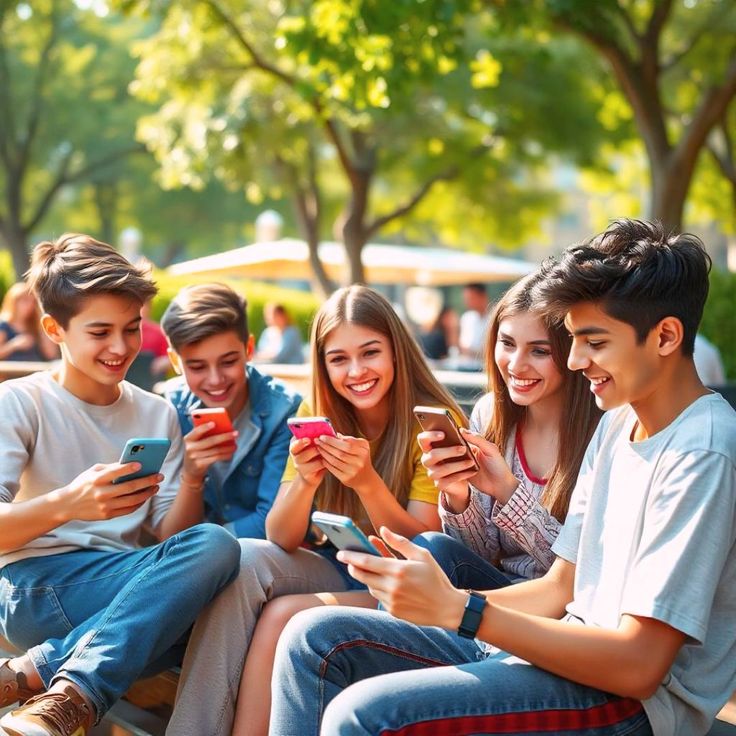
There’s no denying the benefits. Technology has lightened the burden of everyday living. Mothers balancing work and home now find extra minutes to breathe. Students from remote villages access online classrooms that bring the world to their doorsteps. Businesses operate from living rooms. Medical advice is a tap away.
For women, especially, the transformation has been profound. Tasks that once consumed entire afternoons now leave space for education, careers, and personal growth. Technology has offered many a way out of domestic drudgery, opening doors to independence and self-fulfillment.
The modern world is more connected than ever. Long-distance family calls, digital banking, remote work, and e-commerce have made life not just easier but more efficient.
But convenience, the writer warns, has come with an invisible cost.
The Trade-Off: When Comfort Breeds Compromise
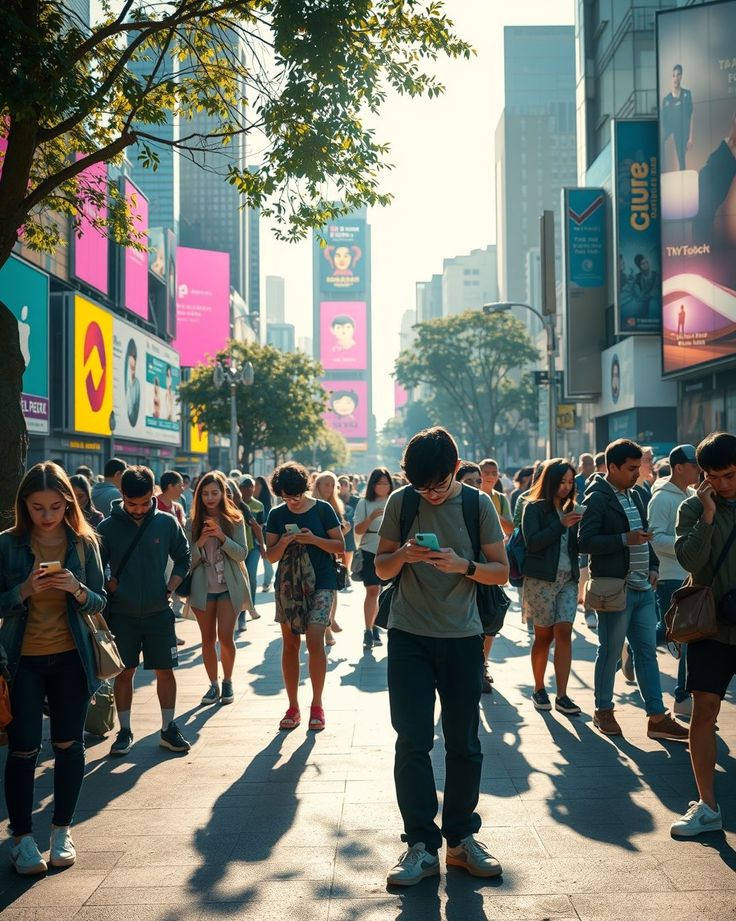
The very tools designed to make life better have quietly begun to reshape the human experience. The footsteps once taken to fetch water or groceries are now clicks and deliveries. Children who once played outside till dusk now spend hours indoors, mesmerized by glowing screens. Physical exertion has been replaced by passive consumption.
This shift is taking a toll. Rising obesity, chronic pain, eye strain, and mental health struggles are now common across generations. Sleep patterns are disrupted by late-night scrolling. Conversations are replaced by emojis. Time once spent moving, laughing, and being present is now swallowed by digital distractions.
Even relationships have begun to feel the strain. Families gather around dinner tables with heads bowed—not in prayer, but in screens. Spouses share rooms, not words. Friends scroll past each other’s lives rather than truly being part of them.

Alone Together: The Irony of the Connected World
Despite being constantly “connected,” many feel deeply alone. This paradox—the isolation that comes with hyper-connectivity—is becoming the signature struggle of our time.
Social media offers updates but often fails to deliver emotional depth. Conversations become text chains. Empathy is replaced by reactions. Presence gives way to performance.
The writer mourns the erosion of face-to-face interaction. The art of listening, reading expressions, or even pausing to reflect in conversation is fading. We’re surrounded by noise, but not by meaning.
Restoring Balance: Technology With Boundaries
So, what now? The writer does not condemn technology. On the contrary, it is a marvel—a powerful partner when used wisely. But balance is critical.
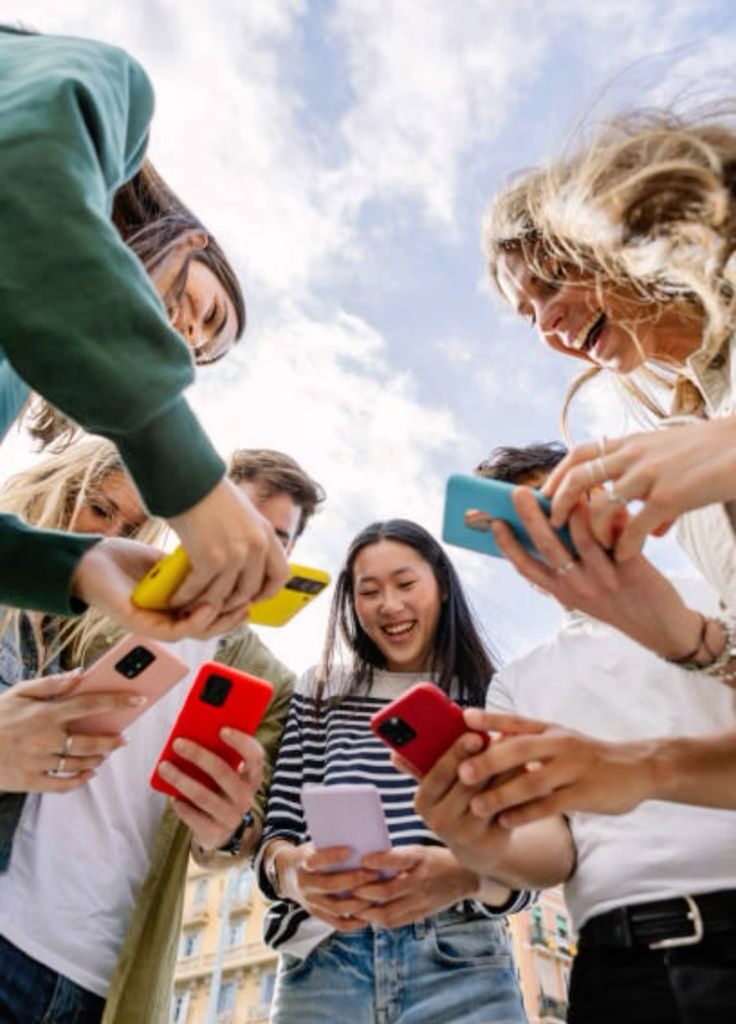
The first step is intention. Set boundaries. Establish phone-free dinners. Reserve the first and last hour of your day as screen-free. Prioritize real-life experiences over virtual ones. Walk. Talk. Cook a meal from scratch.
Families can lead by example. Schools can integrate digital wellness into their curriculum, teaching children not just how to use technology, but when not to. Workplaces can encourage mental health breaks, outdoor activities, and digital detoxes.
Even the smallest steps—an afternoon picnic, a device-free weekend, or simply looking someone in the eye—can reconnect us to what matters most.

Standing Between Two Worlds: A Generation’s Challenge
Today’s generation stands at a unique crossroads. They carry the memory of a slower, tactile world and the reality of a digital, fast-paced one. Neither world is perfect. Both offer something valuable.
And therein lies the hope.
The ability to straddle both—to embrace what is good from the past while adapting to what is possible in the present—can lead to a richer, fuller life.
Technology can bridge gaps, amplify voices, and provide opportunity. But it cannot replace touch, connection, and presence.

Small Changes, Big Impact
Across the world, small movements are starting. Families choosing “offline Sundays.” Neighborhoods are organizing game nights instead of group chats. Schools are declaring screen-free recess. Offices give employees time to log off and unwind.
These aren’t solutions—they’re beginnings. Gentle reminders that while technology can assist, it should not dominate.

Final Thoughts: Being Human in a Digital Age
Ultimately, the challenge is not to reject the screen, but to reclaim the self. To remember that behind every ping is a person, behind every post a pulse, behind every screen a soul.
Technology should serve humanity, not replace it. The future belongs not to those who scroll fastest, but to those who pause, reflect, and live with intention.
Because sometimes, the most revolutionary act in a weird world is to unplug and simply be human.
Author Profile

- I'm Farhat Sakeena, a certified English language teacher and proofreader with a BS Hons in English Language and Literature from Govt College University Faisalabad. Holding a 120-hour TEFL certification from World TESOL Academy, I've honed my skills in teaching English online and providing high-quality proofreading services. As a dedicated freelancer, I help students and professionals improve their language skills and refine their writing.
Latest entries
 EducationJune 30, 2026The Classroom We Never Chose: A Student’s Right to Dignity
 Academic FreedomMay 10, 2026When Friends Become Strangers: The Silent Heartbreak of Losing Connections
 UncategorizedMay 5, 2026Rising Petrol Prices in Pakistan: A Burden People Can No Longer Ignore
 Religion & SpiritualityMarch 2, 2026Stand for Truth: Living Like Ali, Dying Like Hussain

11 comments
Some truly excellent info , Sword lily I noticed this. “Treat your friends as you do your pictures, and place them in their best light.” by Jennie Jerome Churchill.
hi!,I like your writing very much! share we communicate more about your article on AOL? I require a specialist on this area to solve my problem. May be that’s you! Looking forward to see you.
Nice read, I just passed this onto a friend who was doing some research on that. And he actually bought me lunch since I found it for him smile So let me rephrase that: Thank you for lunch!
Merely a smiling visitant here to share the love (:, btw great layout.
Perfect piece of work you have done, this web site is really cool with fantastic info .
Just wanna comment on few general things, The website pattern is perfect, the subject material is really great : D.
very nice publish, i certainly love this web site, keep on it
Great post, I think website owners should learn a lot from this web blog its real user pleasant.
You are my inspiration, I own few web logs and often run out from post :). “No opera plot can be sensible, for people do not sing when they are feeling sensible.” by W. H. Auden.
magnificent put up, very informative. I ponder why the opposite experts of this sector don’t understand this. You must continue your writing. I’m sure, you have a great readers’ base already!
**mitolyn**
Mitolyn is a carefully developed, plant-based formula created to help support metabolic efficiency and encourage healthy, lasting weight management.